
 Matthew David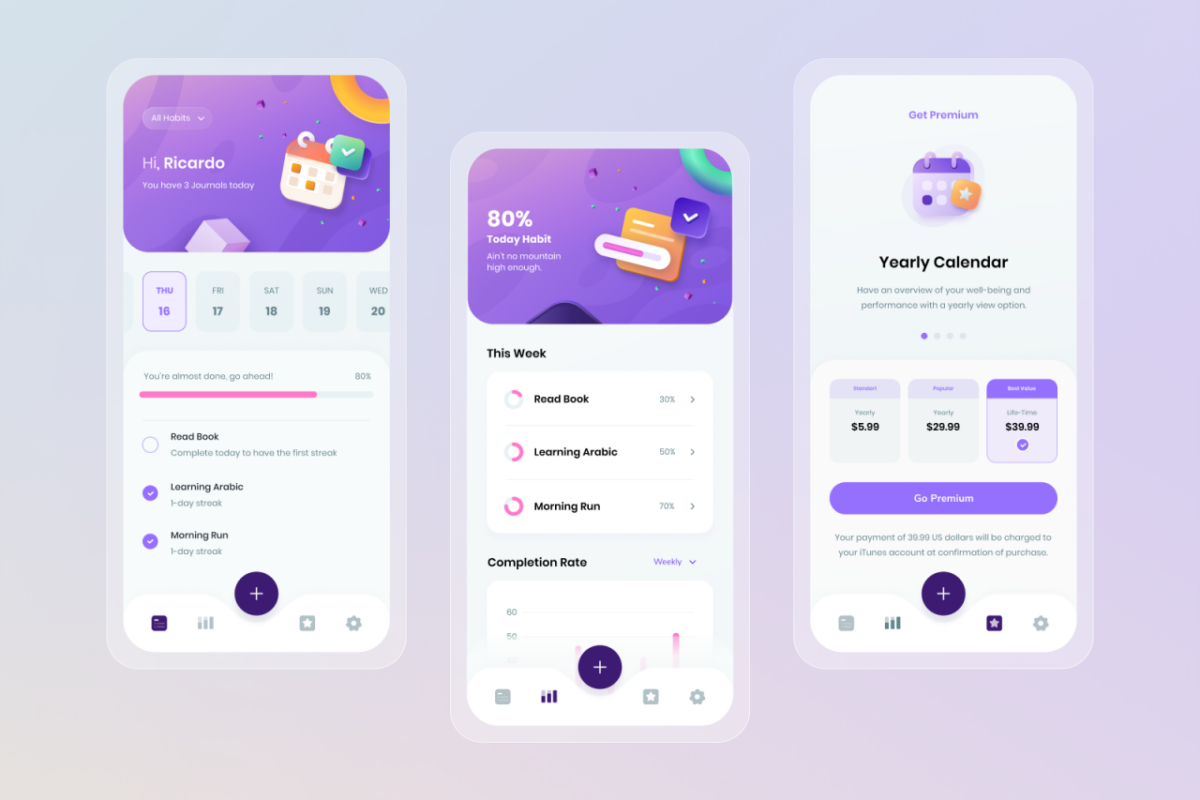
Habit tracker apps have become essential tools for anyone looking to improve their daily routines and foster personal growth. By providing a structured way to monitor habits, these applications empower users to stay accountable and make meaningful changes in their lives. The significance of habit tracking lies in its ability to align with personal goals and achievements, helping individuals stay focused and motivated.
In today’s fast-paced world, juggling various responsibilities can be overwhelming. A habit tracker app serves as a reliable companion, guiding users through their journey of self-improvement. With features that enhance user experience and facilitate tracking, these apps make it easier to recognize patterns and overcome common challenges associated with habit formation. Whether you’re aiming to cultivate a new skill or break an old habit, a well-designed habit tracker can be a game-changer.
The Importance of Tracking Habits for Personal Development
Habit tracking is an essential tool for anyone interested in personal development. It allows individuals to monitor their behaviors and routines, providing insights into their progress towards personal goals. By keeping a record of habits, individuals can identify patterns, understand what works best for them, and make necessary adjustments. The practice of tracking habits serves as a constant reminder of one’s commitments and elevates the sense of accountability. This can result in improved productivity, enhanced self-awareness, and a greater ability to make informed choices regarding personal growth.
The significance of habit tracking extends beyond mere monitoring; it aligns closely with goal-setting and personal achievements. When a person establishes specific goals, tracking habits becomes a strategic approach to reach those aspirations. For instance, if someone aims to exercise more frequently, logging each workout can provide tangible evidence of progress and motivate continued effort. This process can transform vague intentions into actionable steps. Furthermore, the psychological benefits of seeing accomplishments in writing cannot be overstated, as it reinforces positive behavior and encourages consistency over time.
Challenges in Effective Habit Tracking
Despite the clear advantages of habit tracking, individuals often encounter several challenges that can hinder its effectiveness. Recognizing these barriers is essential for developing solutions that keep habits on track.
Initial motivation can be a significant hurdle. Many individuals begin tracking their habits with enthusiasm but struggle to maintain that momentum. This can lead to inconsistent entries and eventual abandonment of the tracking process.
Another challenge lies in the overwhelming nature of tracking multiple habits simultaneously. When individuals attempt to monitor too many changes at once, they may feel stressed or discouraged, resulting in a lack of focus and commitment.
Moreover, maintaining accuracy is crucial for effective habit tracking. Individuals might forget to log their activities or misrepresent their efforts, leading to misleading patterns and insights. Tracking should be simple and intuitive to encourage regular usage, yet many find existing systems too complicated.
Additionally, external distractions can impede the habit tracking process. Life’s demands can shift focus away from personal goals, making it easy to neglect habit monitoring amidst other priorities.
In summary, while tracking habits is vital for personal development, individuals must address these common challenges. Establishing a simple, manageable tracking system, maintaining motivation, and ensuring consistency are key components that can make all the difference in achieving meaningful personal growth through effective habit tracking.
Features That Make a Habit Tracker App Effective
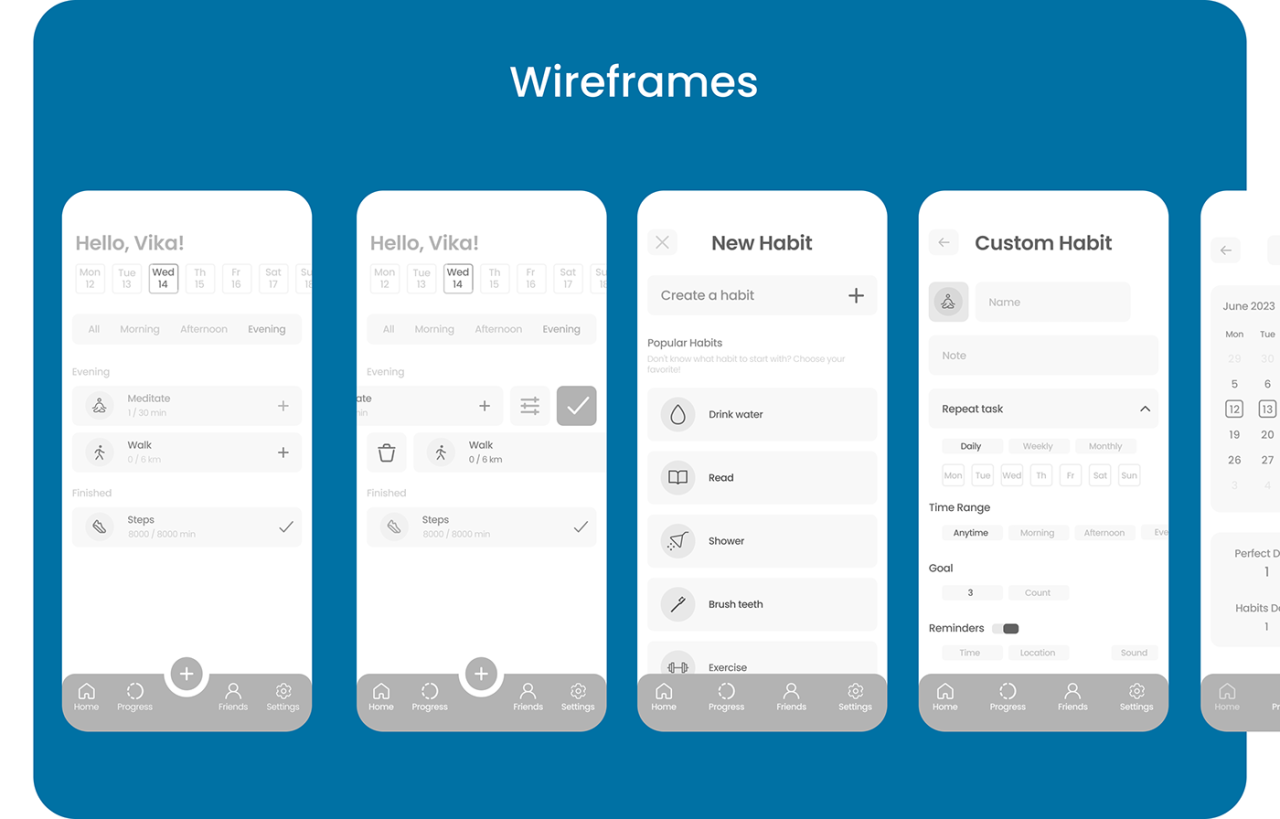
In the rapidly evolving world of mobile applications, habit trackers have carved a niche by helping users cultivate positive habits and eliminate negative ones. The effectiveness of these apps often hinges on their features, which enhance user experience and encourage consistency. By integrating specific functionalities, habit tracker apps can transform a user’s journey toward personal development into an engaging, supportive process.
An effective habit tracker app typically includes features that encourage users to stay committed to their goals. Here are some essential functionalities that enhance user experience:
Key Functionalities Enhancing User Experience
These functionalities are critical for motivating users and providing feedback on their habits.
- Reminders: Effective habit tracker apps utilize customizable reminders that alert users when it’s time to complete a task. This ensures that habits become part of the user’s daily routine. For instance, apps like Habitica allow users to set specific notification times, reinforcing their commitment to their goals.
- Streak Tracking: Tracking streaks offers a sense of accomplishment and motivation. The longer users maintain a habit streak, the more likely they are to continue. Apps like Streaks showcase this feature prominently, encouraging users to maintain their daily progress and create a chain of consistency.
- Visual Progress Reports: Visuals play a crucial role in habit tracking. Graphs and pie charts that display users’ progress over time offer instant feedback. Apps like Fabulous use engaging visual elements to show users how far they’ve come, making the process rewarding and motivating.
- Community Support: A social aspect can significantly enhance motivation. Apps like Strides allow users to connect with friends or fellow users, creating accountability through shared goals and progress updates.
- Customization Options: Tailoring the app to fit personal preferences can lead to a better experience. Users can choose colors, themes, and even their own habits to track, as seen in apps like HabitBull, which provides a more personalized approach.
Important features in habit tracker apps extend beyond mere tracking; they actively engage users in a supportive manner.
“A well-crafted habit tracker app serves as a personal coach, guiding users toward their goals through reminders, streak tracking, and feedback.”
Successful habit tracker apps effectively combine these features to create an environment conducive to habit development. By understanding users’ needs and preferences, these applications can facilitate meaningful change in their daily lives. For example, the app Loop Habit Tracker employs a simple interface and emphasizes habit performance over a defined period, allowing users to focus on what matters without unnecessary distractions. Similarly, MyHabit offers unique features like a daily habit score, adding gamification elements to motivate users further.
By incorporating these functionalities, habit tracker apps can provide a comprehensive platform that supports users in their journey to develop and sustain positive habits, ultimately leading to a more fulfilling life.
The Role of User Interface in Habit Tracker Apps
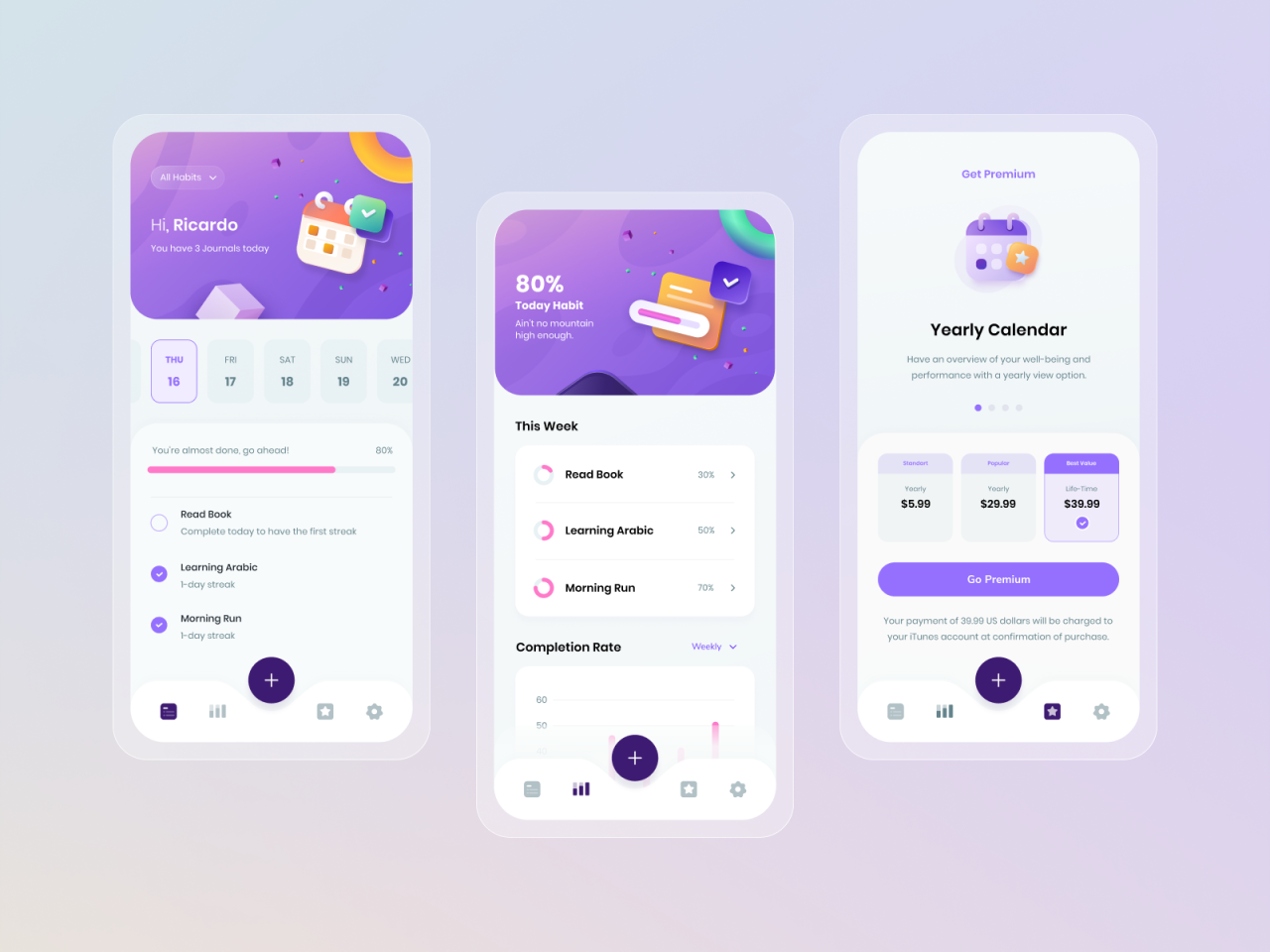
The user interface (UI) of a habit tracker app plays a crucial role in shaping user engagement and satisfaction. A well-designed UI not only attracts users but also enhances their overall experience while using the app. Effective UI can turn a mundane task of tracking habits into an enjoyable and rewarding activity, thereby motivating users to remain committed to their goals.
A significant aspect of UI design is its impact on usability and accessibility. When users can navigate the app easily and find features without confusion, they are more likely to engage consistently. Key design elements that facilitate ease of use include clear navigation menus, intuitive icons, and responsive layouts that adapt to different devices. For instance, utilizing a dashboard that visually represents progress through graphs or charts can help users quickly grasp their habit performance at a glance. This visual feedback is essential, as it creates a sense of accomplishment, making users more likely to return to the app regularly. Accessibility features such as voice commands, adjustable text sizes, and high-contrast color schemes further ensure that the app can be enjoyed by a wider audience, including those with disabilities.
Customization Options for Personalization
Personalization is another critical factor that enhances user experience in habit tracker apps. Offering customization options allows users to tailor the app to their specific needs and preferences. This could include the ability to choose different themes, colors, or layout styles, making the app feel more personal and reflective of the user’s individuality.
Customizable reminders and notifications also play a vital role in keeping users engaged. For instance, users should be able to set reminders at specific times, select the type of alerts they prefer, and even adjust the tone of the notifications. This level of customization fosters a deeper connection between the user and the app, as it accommodates personal schedules and habits.
Moreover, integrating gamification elements such as badges, rewards, or challenges can serve to further personalize the experience. Users might find motivation in receiving badges for consistent tracking or completing challenges, which adds an element of fun to the process. Ultimately, the combination of thoughtful UI design and personalized features contributes to a more engaging and satisfying user experience in habit tracker apps, encouraging users to stick with their habits and achieve their goals.
Strategies for Building Consistent Habits with a Tracker
Building consistent habits can be a game changer in achieving personal and professional goals. A habit tracker app serves as an effective tool to visualize progress, motivate change, and reinforce commitment. By incorporating strategies like habit stacking and setting achievable goals, users can streamline their journey toward cultivating lasting habits.
An effective method to leverage a habit tracker is through habit stacking, which involves pairing a new habit with an existing one. This strategy is based on the principle that habits become easier to adopt when linked to something that already occurs regularly. By identifying a reliable routine, users can add new habits onto this foundation, thus enhancing the likelihood of success.
Implementing Habit Stacking
Start by evaluating your current daily routines to pinpoint moments where new habits can fit seamlessly. For instance, if you have a morning coffee ritual, consider adding a brief stretching routine during your coffee break. This not only makes the new habit feel less daunting but also utilizes existing behaviors to anchor the new ones. Below are steps to implement habit stacking effectively:
- Identify a current habit that’s already ingrained in your routine.
- Choose a new habit that you wish to adopt.
- Link the new habit to the existing one, ensuring they flow naturally together.
- Track your progress using the habit tracker app, noting any challenges or successes.
- Adjust the stack as needed until the new habit feels comfortable.
Setting achievable goals is another critical component of building consistent habits. Establishing clear, realistic, and measurable targets helps maintain motivation and fosters a sense of accomplishment. The SMART criteria—Specific, Measurable, Achievable, Relevant, and Time-bound—can guide this process.
Setting Achievable Goals
When setting goals, it is important to break them down into smaller, manageable milestones. For example, if the goal is to read more books, instead of committing to reading one book per week, start by aiming for a chapter a day. This approach allows for gradual progress and reduces the risk of feeling overwhelmed. Consider the following key points when setting your goals:
- Define what success looks like for each habit.
- Break larger goals into smaller, actionable steps to avoid frustration.
- Utilize your habit tracker to monitor progress and celebrate small wins.
- Be flexible and willing to adjust goals based on your lifestyle and feedback.
Incorporating reminders and rewards into the habit-building process can significantly amplify motivation. Reminders serve as prompts that help keep the habit at the forefront of your mind, while rewards provide positive reinforcement for your efforts.
Using Reminders and Rewards
Utilizing features within your habit tracker app, such as notifications or calendar reminders, can help establish consistency. Setting up daily alerts for your new habits ensures they do not slip through the cracks of a busy schedule. Additionally, the use of rewards can make the process more enjoyable. When milestones are achieved, treat yourself to something special, whether it’s a night out, a favorite meal, or simply a relaxing evening. Here’s how to effectively integrate reminders and rewards:
- Set specific times for reminders in your habit tracker app to prompt you about your new habits.
- Choose rewards that are meaningful and motivating to you, aligning with your interests.
- Track both your habit consistency and your rewards in the app, creating a visual representation of your progress.
- Adjust reminders and rewards based on what works best for you, ensuring continual engagement with your habits.
Analyzing User Feedback on Habit Tracker Apps
User feedback plays a critical role in the development and continuous improvement of habit tracker applications. These apps aim to assist users in forming, maintaining, or breaking habits, which can significantly impact their productivity and personal growth. Gathering and analyzing user feedback not only highlights how well an app meets user needs but also guides developers in identifying areas for enhancement. By understanding users’ experiences, developers can refine features, address frustrations, and ultimately create a more user-friendly application.
The significance of user feedback lies in its ability to illuminate both strengths and weaknesses of habit tracker apps. Positive feedback often highlights effective features, such as user-friendly interfaces, customizable reminders, and integration with other health-related applications. Conversely, negative feedback may reveal usability issues, bugs, or lack of desired functionalities. Collectively, these insights provide invaluable data for developers aiming to optimize their applications.
User Review Themes
Analyzing common themes in user reviews can reveal valuable insights about the overall user experience. Positive reviews often emphasize aspects like motivation and accountability. Users appreciate the ability to visualize their progress through charts and streaks, which can be incredibly motivating. Below are key themes derived from user feedback:
- Ease of Use: Users frequently commend apps that are intuitive and easy to navigate. A well-designed user interface leads to a seamless experience.
- Customization: Many users express appreciation for apps that allow customization of goals and reminders, enabling them to tailor the app to their unique habits.
- Community Support: A sense of community, through features that allow users to share progress or challenges with friends or groups, is often highlighted as a positive aspect.
On the flip side, common negative themes often revolve around bugs, lack of features, or unsatisfactory customer support. Issues that are frequently reported include:
- Technical Issues: Users often report bugs that hinder their ability to track habits effectively, leading to frustration and decreased usage.
- Limited Features: Some users express dissatisfaction with the lack of tracking options or analytics, indicating a desire for more comprehensive feedback on their habits.
- Poor Customer Service: Feedback often points to inadequate support for resolving issues, which can deter users from continuing to engage with the app.
To enhance app functionality and user satisfaction, developers can take several proactive measures. Addressing user concerns is imperative to create an app that evolves alongside its users’ needs. One effective strategy is to establish a system for regular updates based on user feedback. This includes frequent bug fixes and adding requested features, which can significantly improve user retention.
Moreover, implementing a user feedback loop—such as surveys or in-app feedback options—allows developers to stay attuned to user experiences and expectations. Engaging with users through social media or community forums can create a dialogue that fosters loyalty and trust.
“User feedback is not just data; it’s a roadmap guiding app evolution.”
By prioritizing user feedback and making adjustments accordingly, app developers can create a habit tracker that not only meets but exceeds user expectations, ultimately leading to greater user satisfaction and engagement.
The Psychological Impact of Habit Tracking
Habit tracking serves as a powerful tool that goes beyond mere organization; it plays a significant role in enhancing mental health and motivation. By keeping a close eye on daily habits, individuals can cultivate a sense of achievement and control over their lives. This practice not only leads to improved self-awareness but also contributes positively to emotional well-being. As users note their progress, they begin to recognize patterns in their behavior, which can lead to healthier lifestyle choices and a more fulfilled existence.
The benefits of habit tracking extend deeply into the psychological realm. One major aspect is the concept of accountability. When individuals actively track their habits, they create a commitment to themselves that enhances their sense of responsibility. This accountability can be a motivating factor, encouraging them to stick to their goals even when their initial enthusiasm wanes. Alongside accountability, self-discipline plays a crucial role in this process. Regularly updating a habit tracker instills a sense of routine, urging individuals to stay disciplined in their actions. Maintaining this consistency can be challenging, but the rewards—both mental and emotional—are invaluable.
Visual Cues and Progress Tracking
Visual cues are fundamental in maintaining motivation and promoting persistence in habit tracking. By visually representing progress, individuals can see how far they have come, which reinforces their journey toward self-improvement. This visual representation serves as a reminder of personal goals and achievements. The act of marking off completed tasks can generate a sense of accomplishment, further propelling individuals to maintain their efforts.
The following points emphasize the importance of visual cues in habit tracking:
- Immediate Gratification: Seeing progress in real-time satisfies the psychological need for immediate feedback, making the effort feel worthwhile.
- Goal Visualization: Charts and graphs that showcase progress provide long-term visuals of achievement, reinforcing the value of persistence.
- Motivation Boost: Color-coded systems or checklists create a visually appealing incentive to maintain daily habits, as users are often motivated by aesthetics.
- Tracking Consistency: A visual representation of streaks or consistency can promote continued effort, as individuals strive to keep the streak going.
The act of habit tracking transforms abstract goals into tangible realities, creating a roadmap for success that is both visible and motivating.
In summary, the psychological advantages of habit tracking are multifaceted. They encompass accountability, self-discipline, and the powerful influence of visual cues. Together, these elements create a robust framework that encourages long-term commitment to personal growth and mental resilience.
Integrating Habit Tracker Apps with Other Health and Wellness Tools
Integrating habit tracker apps with fitness or nutrition apps offers a streamlined approach to health management, making it easier for users to achieve their wellness goals. The synergy between these platforms can create a more cohesive experience, ultimately leading to better outcomes for users committed to improving their lifestyle.
The advantages of integration are numerous, ranging from data synchronization to enhanced user experience. When a habit tracker app shares information with fitness and nutrition apps, users can view their habits in the context of their overall health journey. For instance, if a user logs daily water intake on their habit tracker, this data can be reflected in a nutrition app, showing how hydration impacts overall health and fitness performance. Similarly, tracking exercise routines in a fitness app can offer insights into how certain habits, like sleep quality or stress management, affect physical performance.
Examples of Holistic Health Management
Integrating habit tracker apps with other health and wellness tools can create a holistic health management system. Some notable examples include:
- MyFitnessPal and Fitbit: Syncing these two platforms allows users to track calories consumed alongside calories burned during workouts. This connection provides a comprehensive look at energy balance, making it easier to meet weight loss or fitness goals.
- Apple Health and personal habit trackers: By integrating with Apple’s Health app, users can consolidate data from various sources, including heart rate, steps, and sleep patterns. This aggregate information provides a fuller picture of health and encourages better decision-making.
- Habitica and meditation apps: Using Habitica to gamify habit tracking while syncing with meditation apps can enhance mental wellness by promoting consistent mindfulness practices that contribute to overall well-being.
Enhanced user experience through integration leads to greater motivation and accountability. When users see their progress in real-time across various health aspects, such as calories burned, meals tracked, and habits maintained, they are more likely to stay engaged. The visual representation of data creates a compelling narrative around personal wellness journeys, encouraging users to push forward rather than feeling overwhelmed by disparate data points.
“Integrating health and wellness tools fosters a holistic approach to personal improvement, making each small change more impactful.”
Future Trends in Habit Tracker App Development
The future of habit tracker apps is heavily influenced by advancements in technology and changing user preferences. As we move forward, the integration of innovative features will not only enhance user engagement but also redefine how individuals approach habit formation. The upcoming trends emphasize personalization, interactivity, and continuous improvement, making habit tracking accessible and effective for a wider audience.
Emerging technologies like artificial intelligence (AI) and machine learning are set to revolutionize habit tracker apps by providing personalized experiences tailored to individual user needs. These technologies can analyze user behavior, preferences, and progress to offer customized suggestions and insights. For instance, AI can identify patterns in a user’s data and predict when they are likely to miss a habit, allowing for timely reminders and adjustments to their routine. Machine learning algorithms can continuously improve recommendations based on user feedback, ensuring that the app adapts to changing habits.
Impact of Gamification and User Engagement
Gamification is another key trend influencing habit tracker app development. By integrating game-like elements, apps can significantly boost user engagement and motivation. This approach is beneficial as it transforms habit tracking into a more enjoyable and rewarding experience. Users are often more inclined to stick to their goals when they feel a sense of achievement and progress.
Key aspects of gamification that enhance user experience include:
- Rewards Systems: Offering points, badges, or other rewards for completing tasks can motivate users to stay consistent with their habits.
- Challenges and Competitions: Users can compete against friends or within a community, fostering a sense of camaraderie and accountability.
- Progress Tracking: Visual representations of progress, like charts or streaks, create a sense of accomplishment and encourage continued effort.
- Personalization: Tailoring challenges and rewards to fit individual preferences can increase engagement and satisfaction.
In addition to these advancements, anticipating user needs is critical for the evolution of habit tracker apps. As users become more health-conscious and mindful of their mental well-being, features that support holistic development will become essential. Features like mindfulness practices, stress management tools, and social sharing options can cater to these emerging demands. Users are increasingly seeking apps that not only help them track habits but also foster a sense of community and support.
“By creating an ecosystem that encourages interaction and support, habit tracker apps can significantly enhance user retention and satisfaction.”
To meet these user demands, habit tracker apps should consider integrating social platforms where users can share their achievements and challenges. This could create a supportive network, encouraging users to connect with like-minded individuals. Additionally, providing educational content or workshops on habit formation and adherence can empower users to make sustainable changes in their lives.
As habit tracker apps continue to evolve, the integration of AI, gamification, and a focus on user community will play pivotal roles in shaping their future. By harnessing these trends, developers can create more effective and engaging tools that resonate with users and support them on their journey toward personal growth.
Closing Notes
In conclusion, the use of habit tracker apps is a powerful strategy for personal development, providing insights and encouragement along the way. As technology continues to evolve, these applications are likely to integrate more features that cater to user needs, making the journey of building and maintaining habits even more engaging. By harnessing the benefits of habit tracking, individuals can not only achieve their goals but also foster a healthier and more productive lifestyle.
Detailed FAQs
What is a habit tracker app?
A habit tracker app is a digital tool designed to help users monitor and manage their daily habits, encouraging consistency and personal growth.
Can a habit tracker app help with motivation?
Yes, habit tracker apps can boost motivation by visually displaying progress and providing reminders that encourage users to stay on track.
Are there any free habit tracker apps available?
Absolutely! Many habit tracker apps offer free versions with basic features, while some also provide premium options for additional functionalities.
How do I choose the best habit tracker app for me?
Consider features, user interface, and compatibility with your device when selecting a habit tracker app that suits your personal preferences and goals.
Can I integrate a habit tracker app with other apps?
Many habit tracker apps allow integration with fitness and wellness apps, creating a more holistic approach to tracking health and habits.