
 Matthew David
Daily planner serves as a guiding companion in our quest for productivity, transforming chaos into clarity and helping us navigate the daily grind with efficiency and purpose. It’s more than just a tool; it’s a practice that can significantly enhance our time management skills while reducing stress levels.
This structured approach allows individuals to prioritize tasks effectively, set achievable goals, and enjoy the psychological benefits that come with having a well-laid-out plan for each day. Whether you’re a student, a busy professional, or managing a household, incorporating a daily planner into your routine can lead to a more organized and fulfilling life.
The significance of maintaining a daily planner for productivity
A daily planner serves as an essential tool for enhancing productivity and effective time management. It acts as a roadmap for the day, allowing individuals to visualize their tasks and commitments clearly. By maintaining a daily planner, individuals can prioritize their responsibilities, minimize distractions, and achieve a sense of accomplishment by tracking their progress.
The role of a daily planner extends beyond mere organization; it directly influences productivity levels. A well-structured plan helps individuals allocate their time wisely by breaking down larger projects into manageable tasks. For instance, someone preparing for a major presentation can Artikel specific steps in their planner, such as research, preparation of visual aids, and practice sessions. This not only helps prioritize tasks but also reduces the overwhelming feeling that often accompanies large projects.
Benefits of prioritizing tasks using a daily planner
A daily planner allows individuals to rank their tasks based on urgency and importance. Prioritization is crucial for effective time management and reduces stress significantly. Here are some key benefits of using a daily planner for task prioritization:
- Clarity of goals: Having a list of tasks provides clarity on what needs to be achieved, allowing individuals to focus on high-priority items first.
- Enhanced focus: By identifying key tasks, distractions can be minimized, leading to improved concentration and efficiency.
- Reduced anxiety: Knowing what to expect throughout the day alleviates the stress of uncertainty, creating a more relaxed approach to tackling responsibilities.
- Increased motivation: Checking off completed tasks from a planner can boost motivation, encouraging individuals to continue working through their to-do lists.
Psychological benefits of a structured daily plan
The psychological impact of having a structured daily plan is profound. A daily planner not only helps manage time but also fosters a sense of control and accomplishment. Key psychological benefits include:
- Improved self-discipline: Regular use of a planner cultivates habits that enhance self-discipline, leading to better management of time and resources.
- Boosted confidence: Accomplishing tasks as planned boosts self-esteem, reinforcing the belief in one’s capability to manage responsibilities effectively.
- Mindfulness and reflection: Planning encourages mindfulness, allowing individuals to reflect on their priorities and adjust their goals accordingly.
- Stress management: By organizing tasks, individuals can break down overwhelming responsibilities into smaller, more manageable parts, reducing overall stress levels.
“Staying organized with a daily planner not only helps in time management but also enhances the overall mental well-being of an individual.”
Different types of daily planners available in the market
Daily planners come in various forms, catering to different preferences and needs. Whether you prefer the tactile feel of paper or the convenience of digital formats, there is a planner designed to help you organize your tasks, goals, and appointments effectively. Understanding the different styles of daily planners can aid in selecting the one that best fits your lifestyle.
The market offers a wide range of daily planners, each with unique features and benefits. Traditional paper planners provide a classic approach, while digital planners offer modern solutions for tech-savvy individuals. Below is a detailed exploration of both formats, including their characteristics and ideal usage scenarios.
Paper Planners
Paper planners are physical notebooks that allow users to jot down their daily tasks and appointments. They come in various layouts such as hourly, daily, weekly, or monthly views, providing flexibility depending on your planning style. Here are some significant features and benefits:
- Tactile Experience: Many users find writing by hand boosts memory retention and personalization.
- Variety of Designs: Paper planners are available in numerous styles, sizes, and artistic designs, appealing to individual tastes.
- No Battery Required: They are always accessible without the need for electronic devices or power sources.
- Customization: Users can personalize pages with stickers, drawings, or color-coding, making planning a creative process.
Digital Planners
Digital planners are applications or software solutions that allow users to organize their schedules on electronic devices, such as smartphones, tablets, or computers. They often include advanced features that paper planners cannot offer. Here are the notable aspects of digital planners:
- Accessibility: Digital planners are typically cloud-based, allowing access from multiple devices at any time.
- Integration: Many digital planners can sync with calendars, email, and task management apps, enhancing productivity.
- Search Functionality: Digital formats make it easy to find specific items or tasks due to integrated search features.
- Real-time Updates: Changes can be made instantly, ensuring that all users have the most up-to-date information.
Comparison of Paper and Digital Planners
To provide a clearer understanding of the advantages and disadvantages of each type, a comparison table can be helpful. Below are some key points that highlight their respective pros and cons:
| Feature | Paper Planners | Digital Planners |
|---|---|---|
| Tactile Experience | ✔️ | ❌ |
| Customization Options | ✔️ (Stickers, drawings) | ✔️ (Themes, templates) |
| Access Anywhere | ❌ | ✔️ |
| Battery Dependency | ❌ | ✔️ |
| Search Functionality | ❌ | ✔️ |
| Environmental Impact | ❌ (Paper waste) | ✔️ (Minimal waste) |
Both paper and digital planners have their unique charm and functionalities, making the choice largely dependent on personal preference and specific organizational needs.
Techniques for effectively utilizing a daily planner
Using a daily planner can significantly enhance productivity and organization in both personal and professional settings. By implementing specific techniques, individuals can make the most out of their planners, ensuring that their goals are realistic and achievable while allowing for flexibility in their plans.
Setting realistic goals and deadlines
Establishing realistic goals and deadlines is crucial when using a daily planner. Goals should be specific, measurable, achievable, relevant, and time-bound (SMART). This framework not only clarifies objectives but also helps in breaking larger tasks into manageable steps.
To ensure effectiveness, consider the following strategies:
- Prioritize tasks: Start by identifying what needs immediate attention versus what can be scheduled for later. This helps in allocating time effectively.
- Set short-term and long-term goals: While daily tasks are important, setting weekly and monthly goals provides a broader perspective and helps in maintaining focus.
- Be realistic about time: Assess how long tasks typically take and factor in breaks and downtime to avoid overloading your schedule.
“A goal without a plan is just a wish.”
Tracking progress and adjusting plans
Tracking progress is essential for understanding how effectively time is being used and where adjustments may be necessary. Regularly reviewing goals and deadlines helps to maintain focus and adapt plans as required.
Implement these methods for effective tracking:
- Daily reviews: At the end of each day, reflect on what was accomplished versus what was planned. This allows for quick adjustments the following day.
- Progress markers: Use visual indicators, such as checklists or color coding, to mark completed tasks. This provides motivation and a sense of achievement.
- Weekly reflections: Take time at the end of each week to evaluate progress against your goals. This can reveal patterns and inform future planning.
Time-blocking techniques
Time-blocking is an effective planning strategy that involves dividing your day into blocks of time, each dedicated to specific tasks or activities. This technique minimizes distractions and improves focus.
Here’s how to integrate time-blocking into daily planning:
- Identify priority tasks: Before the week begins, list out high-priority tasks that need to be accomplished.
- Create blocks in your planner: Allocate specific time slots for each task, ensuring that you include time for breaks and unexpected interruptions.
- Stick to the schedule: Treat your time blocks as appointments; this commitment can greatly enhance productivity.
- Adjust as needed: Be flexible. If a task takes longer than expected, adjust your blocks accordingly to accommodate changes.
“Time-blocking creates a structured day that fosters productivity.”
Integrating daily planners into various lifestyles and careers
Daily planners have become an essential tool in today’s fast-paced world, enabling individuals to manage their time efficiently while balancing professional and personal commitments. By integrating a daily planner into their routines, people from various professions can enhance productivity and achieve a better work-life balance. This approach not only helps in keeping track of tasks but also fosters a sense of accomplishment and reduces stress.
Different professions can harness the power of daily planners to streamline their workflow and increase effectiveness. For instance, teachers can use planners to organize lesson plans, schedule parent-teacher meetings, and track student assessments. Similarly, freelance graphic designers can benefit from a structured planner to manage client deadlines, project milestones, and creative brainstorming sessions. Here’s a deeper look into how various careers can specifically benefit from daily planners.
Benefits for Different Professions
Implementing a daily planner can significantly impact various professions, aiding in organization and enhancing productivity. Below are examples illustrating how specific roles can utilize planners effectively:
- Healthcare Professionals: Doctors and nurses can plan patient appointments, manage shifts, and keep track of continuing education requirements. A planner ensures they never miss important meetings or deadlines.
- Project Managers: Using a daily planner helps project managers Artikel project timelines, assign tasks, and track progress. This leads to enhanced team coordination and timely project delivery.
- Students: A planner allows students to organize study schedules, prioritize assignments, and manage extracurricular activities. By visualizing their workload, they can reduce last-minute cramming.
- Sales Representatives: Daily planners help sales professionals organize client meetings, track leads, and set daily sales goals, ultimately leading to better sales performance.
- Writers: Authors and content creators can use planners to set writing goals, Artikel chapters, and schedule research time, ensuring consistent writing progress.
Maintaining Work-life Balance through Effective Planning
A well-structured daily planner serves as a bridge between personal and professional life, facilitating a healthier work-life balance. By setting clear boundaries and prioritizing tasks, individuals can allocate time for work while also honoring personal commitments. Here are some strategies for utilizing planners to achieve this balance:
- Time Blocking: Allocate specific blocks of time for work tasks and personal activities. This method minimizes distractions and helps maintain focus, leading to greater productivity and allowing dedicated time for family or hobbies.
- Goal Setting: Use the planner to define short-term and long-term goals in both work and personal life. Break these goals into actionable steps, making them achievable and measurable.
- Weekly Review: Schedule a weekly review session to assess progress on tasks and goals. This reflective practice helps in adjusting priorities for the following week, ensuring a balanced approach to work and personal life.
Customizable Planner Templates for Various Professions and Lifestyles
To cater to different needs, customizable planner templates can be designed for various professions and lifestyles. Below are some suggested templates that can enhance planning efficiency:
- Daily Planner Template for Teachers: Includes sections for lesson planning, student assessment tracking, and meeting schedules.
- Project Management Template: Features timelines, task assignments, and milestone tracking sections to keep projects on track.
- Health and Fitness Planner: Incorporates meal planning, workout schedules, and health goals to encourage a balanced lifestyle.
- Creative Project Template for Artists: Offers space for brainstorming, project timelines, and inspiration boards.
- Student Planner Template: Contains sections for assignment tracking, exam schedules, and extracurricular activities planning.
Incorporating daily planners into various lifestyles and careers not only enhances productivity but also promotes a well-rounded approach to personal and professional life management.
{The psychological impact of daily planners on mental health}
Using a daily planner can serve as a powerful tool to enhance mental well-being by systematically organizing thoughts, tasks, and schedules. The act of writing down plans can alleviate feelings of anxiety and provide a sense of structure, which is crucial for those experiencing overwhelm in their daily lives. This structured approach not only aids in task completion but also contributes to a calmer mind, fostering a more positive mental health environment.
{Reducing Anxiety and Overwhelm}
The relationship between the use of a daily planner and the reduction of anxiety is notable. By breaking down tasks into manageable segments, planners help individuals avoid the stress of feeling overwhelmed by a long to-do list. The following points illustrate the benefits of this practice:
- Task Prioritization: Planners encourage individuals to prioritize tasks based on urgency and importance, reducing the mental clutter associated with trying to remember everything at once.
- Visual Clarity: A visual representation of tasks and responsibilities can provide clarity, making the workload seem less daunting. This clarity can lead to reduced feelings of panic.
- Structured Routine: Consistency in daily routines established through planning can create a sense of predictability, which is essential for mental stability.
- Sense of Accomplishment: Completing tasks and checking them off a list fosters a sense of achievement, which can boost self-esteem and reduce anxiety levels.
{Planning and Mindfulness Practices}
Daily planners can seamlessly integrate with mindfulness practices, promoting a greater awareness of thoughts and feelings. Engaging in the act of planning can reflect intentional living, as it allows individuals to align their daily tasks with their values and goals. The following insights highlight this intersection:
- Intentionality: Using a planner encourages individuals to set specific intentions, aiding in achieving a more mindful existence.
- Moment of Reflection: Planning sessions can provide an opportunity for reflection, allowing individuals to assess their emotional state and adapt their plans accordingly.
- Mindful Transitions: Moving from one task to another can be more deliberate when using a planner, as it encourages a moment of pause and focus.
{Importance of Reflection and Evaluation}
Incorporating reflection and evaluation into a daily planning routine is crucial for mental health. This reflective practice helps individuals gain insight into their productivity, well-being, and emotional responses. The following points underline its significance:
- Self-Assessment: Regular reflection allows individuals to evaluate what strategies work best, fostering a deeper understanding of their personal strengths and weaknesses.
- Adaptation: Evaluating past performances enables individuals to adjust their future planning methods, enhancing effectiveness and reducing frustration.
- Emotional Awareness: Reflecting on daily experiences can help in recognizing patterns of stress or joy, contributing to better emotional regulation over time.
“The process of planning is not merely about tasks; it’s a pathway to mindfulness and emotional clarity.”
Tips for creating a personalized daily planner that suits individual needs
Creating a personalized daily planner begins with understanding your unique habits and preferences. This tailored approach ensures that your planner not only serves as an organizational tool but also enhances your productivity and well-being. By evaluating your lifestyle, you can incorporate elements that genuinely resonate with your daily routines and goals.
Assessing personal habits and preferences is crucial when designing a daily planner. Start by reflecting on your daily activities, priorities, and challenges. Consider factors such as your peak productivity times, important deadlines, and any recurring tasks. This self-assessment will help you identify which planner features are most beneficial for you. Additionally, think about your style of organization—do you prefer digital tools or traditional paper planners?
Elements to include in a personalized planner
Incorporating specific elements into your planner can greatly enhance its functionality. Here are some examples of features that can be included:
- Gratitude Section: A dedicated space for jotting down things you are grateful for each day can boost positivity and mindfulness.
- Habit Tracker: Monitoring your habits, such as water intake or exercise routines, helps in maintaining accountability and achieving goals.
- Goal Setting Pages: Artikel long-term objectives and break them down into actionable steps for daily progress.
- Daily Priorities: A top-three priorities section can help you focus on what truly matters each day.
- Reflection Prompts: Questions or statements that encourage reflection on daily achievements and areas for improvement can enhance personal growth.
Designing a daily planner tailored to your specific lifestyle involves a step-by-step process that can simplify the planning experience. Follow these steps:
- Identify Your Needs: List your daily tasks, commitments, and goals. Consider what you struggle with in terms of organization.
- Select a Format: Choose between digital or paper options based on your preference for accessibility and ease of use.
- Design Your Layout: Decide on the structure—daily, weekly, or monthly views—and incorporate sections for notes, tasks, and reflections.
- Add Personal Elements: Include sections like gratitude prompts, habit trackers, or motivational quotes that resonate with you and inspire action.
- Customize Aesthetics: Personalize the planner’s look with colors, stickers, or illustrations that reflect your style.
- Review and Adjust: Regularly assess how your planner is working for you and make necessary changes to improve its effectiveness.
“A planner is not just a tool; it’s a reflection of your goals, habits, and aspirations.”
By following these steps and including thoughtful elements in your planner, you can create a personalized tool that aligns with your individual needs, making organization a breeze and your productivity soar.
Overcoming common challenges when using a daily planner
Using a daily planner can significantly enhance productivity and organization, but many people face challenges that can hinder their ability to stick to their plans. Identifying these obstacles is the first step toward finding effective solutions that maintain motivation and ensure adaptability in the face of unexpected events.
Procrastination is a common hurdle for many planner users. It’s easy to create a detailed plan, but following through can be quite challenging. Often, the initial excitement wears off, and tasks may seem daunting. To overcome this, breaking tasks into smaller, more manageable steps can help. Setting specific, achievable goals rather than vague intentions creates a clear path forward. Additionally, using techniques such as the Pomodoro Technique—where work is completed in focused bursts of 25 minutes followed by a 5-minute break—can help maintain momentum and prevent burnout.
Maintaining motivation
Maintaining motivation while using a daily planner is crucial for long-term success. Recognizing what drives you personally is essential. Here are some practical strategies to keep your motivation levels high:
- Set clear intentions: Define what you want to achieve daily and why it matters to you. This connection can help sustain motivation.
- Celebrate small wins: Acknowledging progress, no matter how minor, reinforces positive behavior and encourages continued effort.
- Visual reminders: Create a vision board or use visual cues in your planner that spark joy or remind you of your goals. This can keep your aspirations front of mind.
- Accountability partners: Sharing your goals with a friend or colleague can help you stay committed. Regular check-ins can boost motivation and provide support.
Flexibility is another critical component of effective planning. Life is unpredictable, and unexpected events can disrupt even the best-laid plans. When faced with changes, it’s important to adapt without losing sight of your overall goals. One effective strategy is to incorporate buffer time into your schedule. This means leaving gaps in your daily planner for unforeseen tasks or events. Instead of feeling frustrated when plans change, you can adjust and make necessary alterations without derailing your productivity entirely.
Flexibility in planning allows you to embrace changes and adapt, ensuring you stay on track regardless of life’s surprises.
Finally, keeping a reflective practice can be beneficial. At the end of each day or week, take a moment to review what worked well and what didn’t. This reflection can help identify patterns and develop strategies to improve your planning process moving forward. All these techniques can help mitigate the common challenges encountered while using a daily planner, promoting a more productive and fulfilling daily experience.
The role of technology in enhancing daily planner effectiveness
In today’s fast-paced world, technology plays a pivotal role in boosting the efficiency of daily planners. With the advent of numerous apps and digital tools, individuals can now organize their schedules more effectively than ever before. Embracing these advancements not only streamlines daily tasks but also integrates seamlessly with existing routines, making planning a more accessible and engaging process.
Digital Tools and Apps for Daily Planning
A variety of apps and digital tools are available that can complement or even replace traditional daily planners. These tools offer features that improve organization, efficiency, and accessibility. Notable examples include:
- Todoist: A task management app that allows users to create to-do lists with priority levels and due dates, facilitating task organization.
- Google Calendar: Offers seamless integration with other Google services, enabling users to schedule events, set reminders, and share calendars with others.
- Trello: A visual project management tool that utilizes boards and cards to help users organize tasks collaboratively and in real-time.
- Notion: A versatile workspace that combines note-taking, task management, and databases, allowing for personalized planning systems.
Each app caters to different organizational styles, enabling users to find one that suits their needs best.
Syncing Planners with Calendars and Reminders
Syncing digital planners with calendars and reminders enhances organization significantly. This integration allows users to receive timely notifications about upcoming tasks and appointments, ensuring that nothing slips through the cracks. The advantages of syncing include:
- Centralized Information: All tasks, events, and deadlines are accessible in one place, reducing the need to switch between different tools.
- Real-time Updates: Changes made in one tool are reflected across all synced devices and apps, keeping everything current.
- Automatic Reminders: Users can set prompts for important tasks and events, fostering accountability and reducing the likelihood of missed deadlines.
With these features, individuals can manage their time and commitments more effectively, leading to improved productivity.
Leveraging Technology Without Distraction
While technology offers numerous benefits, it is essential to use it wisely to avoid distractions. Here are some tips for leveraging technology effectively:
- Set Boundaries: Allocate specific times for checking apps and avoid constant notifications that can disrupt focus.
- Utilize Focus Modes: Many devices and apps have focus modes that limit distractions by silencing notifications and restricting access to non-essential apps during critical work periods.
- Prioritize Tasks: Use features like priority settings within apps to focus on the most important tasks first, reducing overwhelm.
- Regularly Review and Adjust: Take time to evaluate your planning system. Make adjustments if certain tools or methods are not serving your productivity needs.
These strategies can help maintain productivity while enjoying the advantages that technology brings to daily planning.
Incorporating goal setting into daily planning practices
Incorporating goal setting into daily planning is essential for transforming long-term aspirations into achievable tasks. By breaking down broader objectives into manageable daily actions, individuals can maintain focus and motivation. This structured approach not only enhances productivity but also fosters a sense of accomplishment as small milestones are achieved consistently.
Regularly reviewing and adjusting goals within a planner is critical to ensure alignment with evolving priorities and circumstances. This process allows individuals to remain adaptable, refining their focus as needed to stay on track toward their long-term aspirations.
Breaking Down Long-term Goals into Daily Tasks
Transforming long-term goals into actionable daily tasks requires clarity and a strategic approach. Start by identifying your major long-term goals and then distilling them into specific, measurable, attainable, relevant, and time-bound (SMART) objectives. Here’s how to effectively execute this process:
1. Identify Your Long-term Goals: Reflect on what you wish to achieve in the long run, whether career advancements, personal development, health, or financial objectives.
2. Establish Milestones: Break down each long-term goal into smaller, intermediate milestones. These should serve as stepping stones toward your final objective.
3. Create Daily Tasks: Determine what specific actions are required each day to reach these milestones. For example, if your long-term goal is to write a book, daily tasks might include writing 500 words or researching specific topics.
4. Prioritize Tasks: Assess the urgency and importance of daily tasks to ensure you focus on what will propel you toward your goals most effectively.
5. Track Progress: Regularly review your accomplishments and adjust your tasks as necessary. This tracking reinforces accountability and motivation.
Significance of Reviewing and Adjusting Goals
Consistent review and adjustment of goals within a planner play a vital role in maintaining relevance and motivation. As circumstances change, the importance of certain goals may shift, necessitating modifications to previously set objectives. Engaging in regular goal review entails:
– Reflecting on Progress: Assess your achievements and identify what worked well and what didn’t. Acknowledging both successes and areas for improvement fosters a growth mindset.
– Adapting Goals: If certain goals no longer resonate or are no longer achievable due to unforeseen changes, adjust them to fit your current situation. This could mean scaling back, setting new milestones, or even redefining your overall objectives.
– Reinforcing Commitment: Regularly revisiting your goals reinforces your commitment to them. It serves as a reminder of why you set these goals in the first place and keeps your motivation alive.
Structured Format for Daily Goal-Setting Sessions
To effectively incorporate daily goal-setting sessions into your planner, establish a structured format that promotes focus and clarity. Consider the following framework:
– Start with a Reflection: Allocate time at the beginning of each day to reflect on your progress from the previous day. This sets a positive tone and highlights areas for growth.
– Define Daily Goals: Clearly Artikel 2-3 specific goals you wish to achieve for the day. Ensure these align with your longer-term objectives.
– List Actionable Steps: Under each daily goal, jot down 2-4 actionable steps you can take to achieve them. These should be concrete actions that you can realistically complete within the day.
– Set Time Blocks: Assign specific time slots for each task. This encourages dedicated focus and prevents procrastination.
– End with Review: Conclude your planning session by setting aside a few minutes to review what you accomplished at the end of the day. This reflection reinforces accountability and allows you to celebrate small wins.
By following this structured approach, incorporating goal setting into daily planning becomes an empowering practice that drives progress and fulfillment.
The impact of a daily planner on fostering discipline and accountability
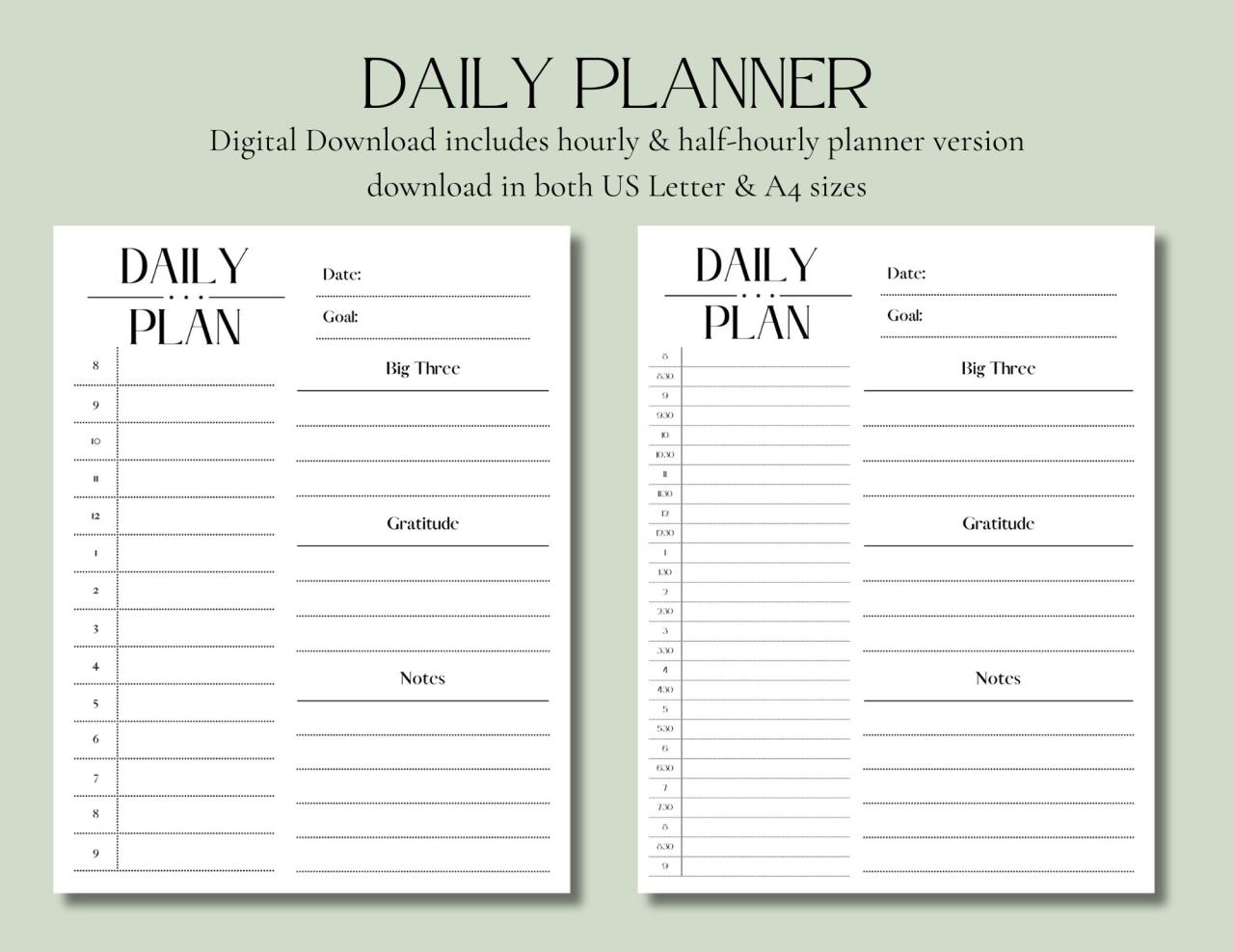
A daily planner is more than just a place to jot down appointments; it is a powerful tool that can significantly enhance discipline and accountability in both personal and professional spheres. By providing a structured way to organize tasks and commitments, a planner can lead to improved time management and a stronger sense of responsibility toward one’s goals.
Utilizing a daily planner instills a routine that can lead to increased self-discipline and consistency. The act of writing down tasks not only reinforces one’s intentions but also serves as a visual reminder of what needs to be achieved. For instance, individuals who regularly schedule their day are often more likely to follow through with their commitments, as they have a tangible Artikel of their responsibilities. This habit makes it easier to prioritize tasks and assess progress, which is essential for maintaining motivation and discipline.
Methods for tracking commitments and fostering accountability
Implementing a daily planner effectively requires a few strategies that enhance accountability. The following methods not only help in keeping track of commitments but also encourage individuals to hold themselves responsible:
- Daily Reflection: Set aside time at the end of each day to review what was accomplished. This practice allows individuals to celebrate achievements, learn from setbacks, and adjust future plans accordingly.
- Goal Setting: Clearly define short-term and long-term goals within the planner. Breaking larger goals into smaller, manageable tasks makes them less daunting and easier to track.
- Time Blocking: Allocate specific time slots for different activities or tasks. This technique encourages focused work sessions and reduces the likelihood of distractions, thereby fostering discipline.
- Accountability Partners: Share planner entries or progress with a trusted friend or colleague. This accountability mechanism helps to maintain motivation and encourages follow-through on commitments.
- Progress Tracking: Use checklists and progress bars within the planner to visually represent completed tasks. This can enhance satisfaction and motivation as one witnesses their progress over time.
Incorporating these methods into daily planner usage not only helps maintain focus but also builds a strong foundation for personal and professional accountability. The consistent practice of logging tasks and reviewing commitments fosters a disciplined approach to achieving goals, enabling individuals to stay committed to their objectives and responsibilities.
“A daily planner transforms vague intentions into concrete actions, paving the way for discipline and accountability.”
Ultimate Conclusion
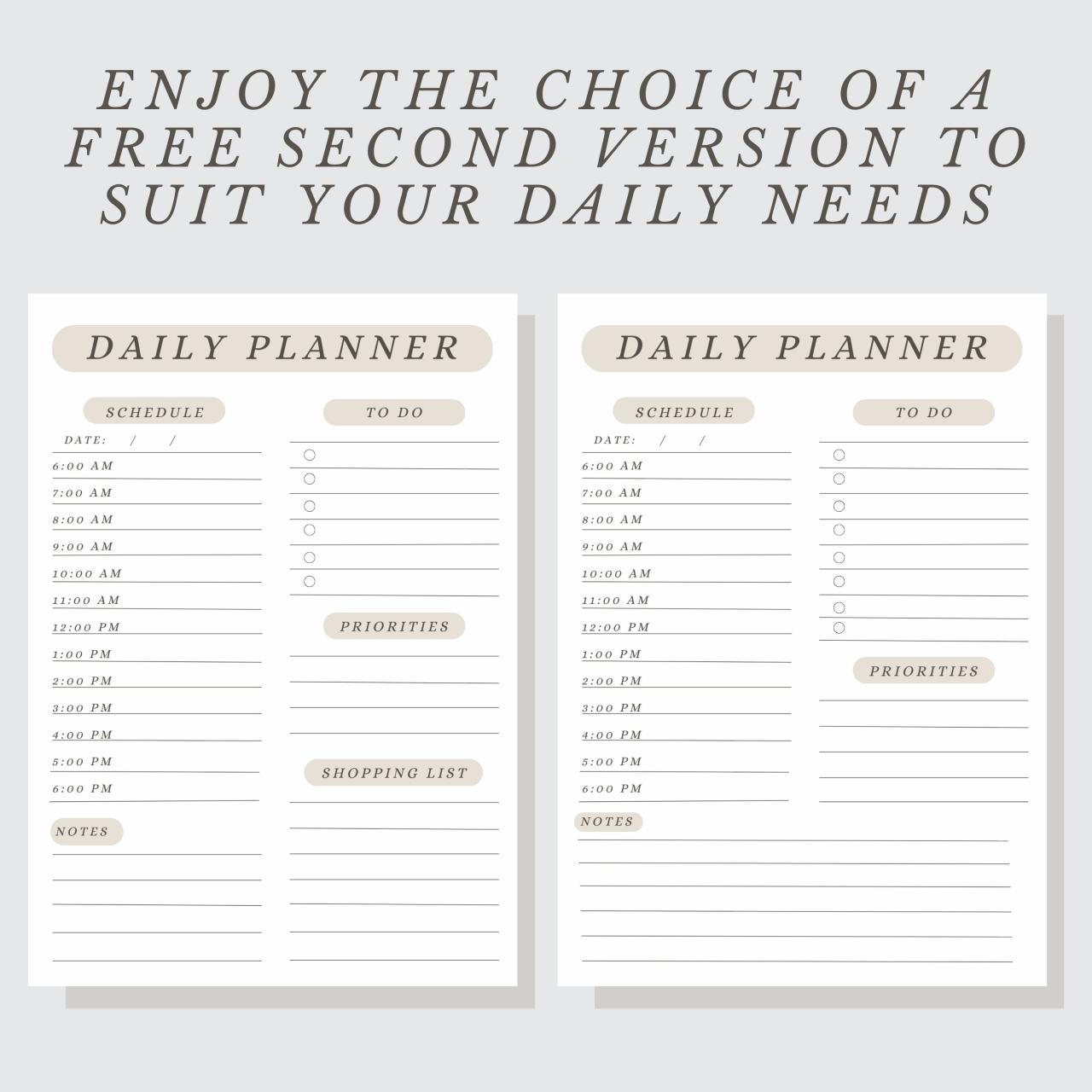
Embracing the use of a daily planner not only fosters productivity but also contributes to a healthier mindset, paving the way for personal growth and accountability. By integrating planning into your daily life, you carve out space for reflection and flexibility, ultimately enhancing both your professional and personal journeys.
FAQ Summary
What is a daily planner?
A daily planner is a tool designed to help individuals organize their tasks, goals, and schedules for each day effectively.
How can a daily planner improve my productivity?
By providing a structured format for planning, a daily planner helps prioritize tasks and manage time more efficiently, leading to increased productivity.
Can I use a digital daily planner instead of a paper one?
Yes, digital planners offer features like reminders and syncing with calendars, making them a flexible alternative to traditional paper planners.
What features should I look for in a daily planner?
Look for features that suit your needs, such as customizable layouts, goal-setting sections, habit trackers, and space for reflection.
How can I overcome procrastination with a daily planner?
Set realistic goals, break tasks into smaller steps, and regularly review your planner to stay motivated and on track.