
 Matthew David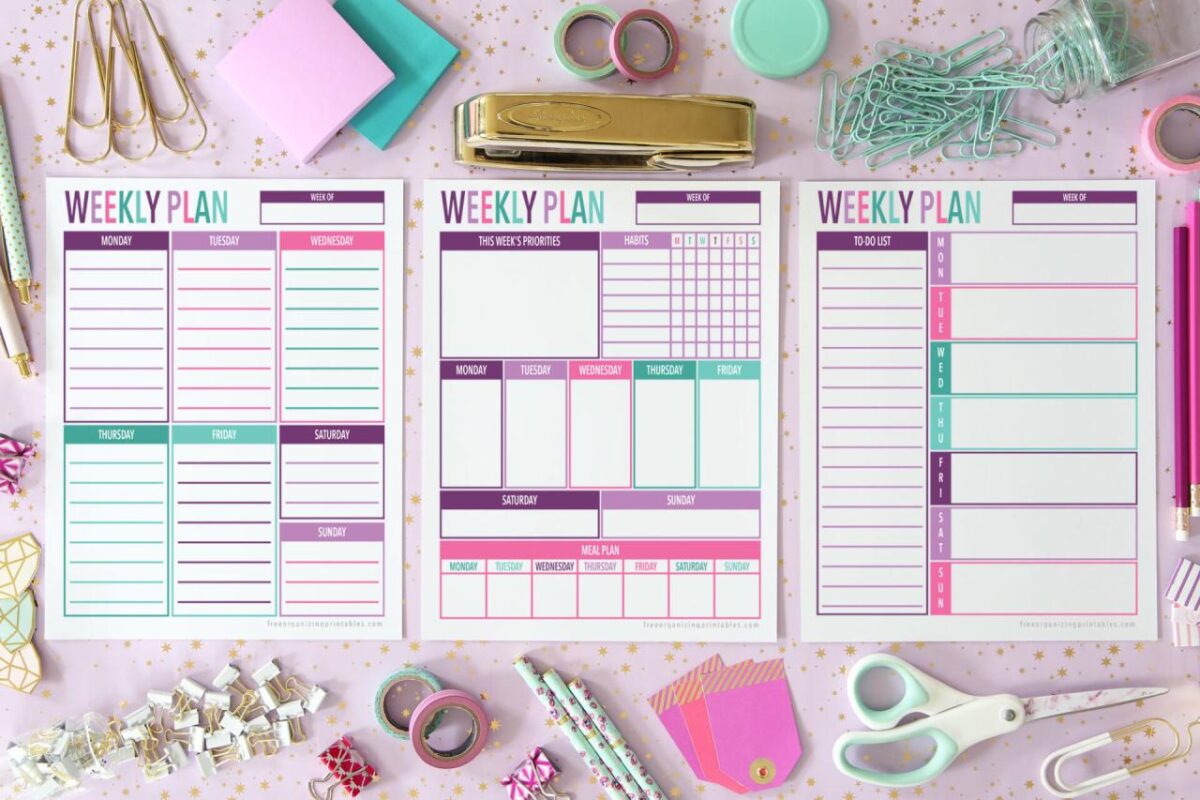
The Weekly planner is more than just a scheduling tool; it’s a roadmap to achieving your goals and maximizing your time. By laying out tasks and commitments for the week ahead, you create a visual representation of your priorities, allowing you to allocate your energy more efficiently. Whether you’re juggling work obligations, personal projects, or self-care activities, a weekly planner helps streamline your efforts and keep you on track.
In today’s fast-paced world, the importance of effective time management cannot be overstated. A weekly planner not only helps you manage your tasks but also encourages reflection and adjustments based on real-time experiences. With various formats available, from digital apps to traditional paper planners, finding the right fit for your lifestyle has never been easier. This guide will delve into the significance of weekly planners, their diverse types, effective usage techniques, creative personalization options, and how they can assist in goal setting and self-care, ensuring you make the most of every week.
Understanding the Importance of a Weekly Planner
In the fast-paced world we live in, managing time effectively can often feel like a daunting task. A weekly planner emerges as a powerful tool that can streamline various aspects of our daily lives. By providing a structured format to organize tasks and commitments, it helps in visualizing the week’s agenda, making it easier to prioritize and allocate time effectively.
The significance of a weekly planner extends beyond mere organization; it enhances productivity and time management. With a planner in hand, individuals can break down larger goals into manageable tasks, ensuring that progress is made consistently throughout the week. This structured approach fosters a sense of accountability, as tasks are not only written down but also scheduled for completion. Consequently, this decreases the likelihood of procrastination, as each task has a dedicated timeframe. Furthermore, a weekly planner allows one to reflect on accomplishments at the end of the week, providing motivation to tackle the upcoming week with renewed vigor.
Common Challenges in Weekly Planning
Planning a week can present several challenges that may hinder effective execution. Recognizing these obstacles is crucial in understanding how a planner can assist in overcoming them. Some common difficulties include:
- Overwhelm from Numerous Tasks: Many individuals struggle with an overwhelming number of responsibilities, leading to confusion and anxiety about where to begin.
- Poor Time Allocation: Misjudging the time required for tasks can result in unrealistic schedules, making it difficult to complete essential activities.
- Inability to Prioritize: Without a clear overview, distinguishing between urgent and non-urgent tasks becomes challenging, often resulting in misplaced focus.
- Lack of Flexibility: Life is unpredictable, and rigid schedules may cause frustration when unexpected events arise.
A weekly planner addresses these challenges effectively. By providing a clear layout, it helps individuals break tasks into smaller segments, reducing feelings of overwhelm. The visual representation of time allows for better estimates of how long activities will take, facilitating appropriate time allocation. Additionally, planners often include sections for prioritization, helping users to focus on what truly matters. When unexpected changes occur, planners can be adjusted, offering the flexibility needed to adapt to shifting priorities.
“A goal without a plan is just a wish.”
Different Types of Weekly Planners Available
Weekly planners are essential tools for organizing tasks, managing time, and increasing productivity. They come in various formats to cater to differing user needs and preferences. Understanding the types of planners available can help individuals choose the right one that aligns with their lifestyles and work habits.
There are primarily two categories of weekly planners: paper planners and digital planners. Each format has unique features that appeal to different users. Some prefer the tactile experience of writing on paper, while others value the convenience and flexibility offered by digital options.
Paper Planners
Paper planners are tangible and often provide a sensory experience that many users enjoy. They come in various layouts, such as weekly, monthly, or daily formats, and can include features like:
- Layout Variety: Users can choose between horizontal or vertical templates to suit their preferences.
- Customization: Stickers, washi tape, and colored pens help personalize and enhance the planning experience.
- Distraction-Free: They eliminate digital distractions, allowing users to focus solely on planning.
Despite these advantages, paper planners come with drawbacks. They lack the ability to set reminders, and once written, changes can be messy. Additionally, users must carry them around, which can be inconvenient.
Digital Planners
Digital planners are available through applications on smartphones, tablets, or computers. They offer a range of functionalities that can be particularly appealing to tech-savvy individuals. Key features include:
- Syncing Across Devices: Users can access their planners on multiple devices, ensuring their schedules are always up-to-date.
- Integration with Other Apps: Many digital planners can synchronize with calendars and task management tools for seamless organization.
- Search Functions: Users can quickly find information using search features, which enhances efficiency.
However, digital planners also have their downsides. They rely on technology, which can lead to accessibility issues if devices fail. Plus, screen time can be tiring, which may deter some users from engaging with their planning.
“Choosing between a paper planner and a digital planner ultimately boils down to personal preference and lifestyle.”
In summary, both paper and digital planners cater to diverse user preferences. While paper planners offer a tactile experience and a distraction-free environment, digital planners provide convenience and integration with technology. Understanding the benefits and drawbacks of each can guide users toward the most effective planning method for their individual needs.
How to Effectively Use a Weekly Planner
A weekly planner serves as a powerful tool for organizing your time and tasks, helping you to maintain a balance between personal and professional commitments. By effectively utilizing this tool, you can enhance productivity and reduce stress. Here’s how to create an effective weekly plan that caters to your unique needs.
Creating an effective weekly plan begins with a clear understanding of your commitments and tasks. Start by selecting a planner that resonates with your style, whether it’s a digital app or a traditional paper planner. Once you have your planner, follow these steps:
1. List All Tasks and Commitments: Begin by jotting down all tasks, appointments, and deadlines for the week. This includes work-related duties, personal errands, and social engagements. Having a comprehensive list allows for better visualization of your weekly schedule.
2. Categorize Tasks: Segment your tasks into different categories such as work, personal, and social. This makes it easier to allocate time specifically for each area of your life. Visual separation promotes focus and clarity, ensuring that you do not overlook important commitments.
3. Prioritize Tasks: Use techniques like the Eisenhower Matrix to distinguish between urgent and important tasks. Determine which tasks require immediate attention versus those that can be scheduled later. This prioritization helps prevent feeling overwhelmed and ensures that critical responsibilities are addressed first.
Techniques for Prioritizing Tasks and Setting Achievable Goals
Setting achievable goals and prioritizing tasks effectively is crucial for a productive week. Here are several techniques that can help streamline this process:
– SMART Goals: Utilize the SMART criteria (Specific, Measurable, Achievable, Relevant, Time-bound) to set clear objectives. For instance, instead of saying “I will work on my project,” specify “I will complete the first draft of my project by Wednesday evening.” This clarity keeps you accountable.
– Daily Top 3: Each day, identify the top three tasks that must be accomplished. This method helps maintain focus on high-impact activities while minimizing feelings of chaos.
– Time Blocking: Allocate specific time blocks for different tasks or types of work. For example, set aside mornings for focused work and afternoons for meetings. This approach allows you to work efficiently, reducing distractions.
“By prioritizing tasks effectively, you create a roadmap that leads to accomplishment.”
Incorporating Personal and Professional Commitments
Striking a balance between personal and professional commitments in your weekly planner is essential for a fulfilling lifestyle. Here are some strategies to help blend both:
– Color Coding: Use different colors for various categories of tasks—blue for work, green for personal, and red for urgent tasks. This visual differentiation allows you to quickly assess how your week is structured at a glance.
– Designate ‘Me Time’: Schedule personal time just as you would for work-related meetings. This can include exercise, hobbies, or relaxation. Treating personal time as a priority helps in recharging your energy.
– Review and Adjust: At the end of each week, take a moment to review what worked well and what didn’t. Adjust your planning strategies accordingly for the upcoming week, ensuring continuous improvement in managing your commitments.
Incorporating these strategies into your weekly planner can transform it from a simple organization tool to a vital component of your productivity and well-being.
Creative Ways to Personalize Your Weekly Planner
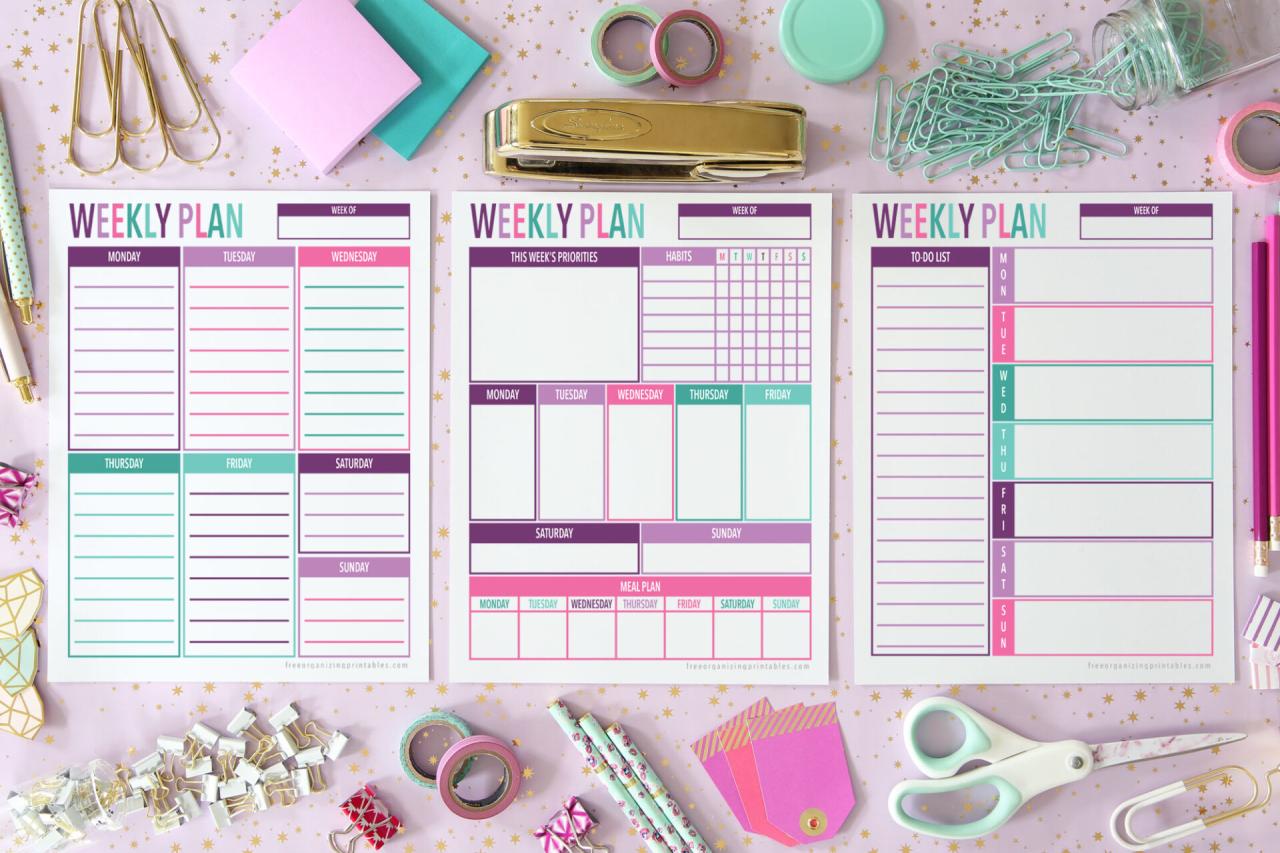
Personalizing your weekly planner can transform a simple organizational tool into a canvas for self-expression. By infusing your planner with elements that reflect your personality and style, you can enhance both its functionality and your motivation to use it consistently. This customization not only makes planning more enjoyable, but it also encourages a deeper connection with your goals and daily activities.
There are countless ways to personalize your planner, ranging from aesthetic enhancements to functional additions. Here are some effective methods to consider:
Decorative Elements to Enhance Aesthetics
Incorporating decorative elements into your planner can significantly boost its visual appeal. These elements should not only beautify the pages but also inspire you to engage with your planner regularly. Here are several popular options:
- Stickers: Adding stickers can bring color and fun to your pages. Choose stickers that resonate with your interests, such as motivational quotes, seasonal themes, or icons that represent your hobbies.
- Washi Tape: This decorative tape is perfect for creating borders, highlighting important dates, or simply adding flair to your planner. With countless designs available, you can easily find styles that match your aesthetic.
- Color Coding: Use colored pens or highlighters to differentiate between various aspects of your life, such as work, personal, or social events. This not only organizes your information but also adds a vibrant touch.
- Printables and Inserts: Customize your planner with printable pages that suit your planning style, such as habit trackers, meal planners, or goal-setting sheets. These can be designed to match your personal theme.
- Hand Lettering and Doodles: If you enjoy art, consider personalizing your planner with hand-lettered quotes or small doodles. This adds a unique touch that represents your creative flair.
“Personalization is not just about aesthetics; it’s about making your planner a reflection of your unique journey.”
Utilizing these decorative elements can turn your planner into a visually stimulating tool that keeps you motivated and engaged.
Improving Consistency and Enjoyment
Personalization plays a critical role in enhancing both the consistency with which you use your planner and the overall enjoyment derived from it. When your planner resonates with your style and goals, it becomes more than just a schedule; it transforms into a source of inspiration and motivation. The following strategies can help you deepen your connection with your planner:
- Incorporate Personal Goals: Tailor your planner layout to include sections for personal goals or aspirations. This could be a monthly vision board, weekly affirmations, or even space for gratitude lists.
- Create a Theme: Choosing a theme for your planner, whether it’s based on a favorite color palette or a specific aesthetic, can make it more enjoyable to use. A cohesive theme can create a sense of harmony throughout your planning process.
- Engage with Community: Join planner communities online or in-person. Sharing your personalized planner with others not only provides motivation but can also inspire new ideas for customization.
- Reflect Regularly: Set aside time each week to reflect on your planner’s layout and effectiveness. Adjusting sections or styles based on your changing needs can enhance your daily experience.
By integrating these techniques, you can ensure that your weekly planner not only serves its purpose in organizing your life but also becomes an enjoyable part of your daily routine.
{The Role of a Weekly Planner in Goal Setting}
A weekly planner serves as a vital tool for individuals aiming to set and achieve both short-term and long-term goals. By breaking down larger objectives into manageable tasks, planners not only help in organizing daily activities but also align them with overarching aspirations. This method creates a clear path towards success, ensuring that each week contributes meaningfully to the larger picture of personal or professional growth.
Aligning daily tasks with broader objectives through a planner involves a systematic approach. Start by identifying your long-term goals, which may include aspirations like career advancement, personal development, or achieving a certain level of fitness. Once these goals are established, break them down into short-term targets. For instance, if your long-term goal is to run a marathon, your short-term target could be to complete a 5K by the end of the month.
In your weekly planner, dedicate time each Sunday or Monday to plan the week ahead. This includes allocating specific tasks or milestones that will lead you closer to your short-term targets. By writing down these tasks, you create a visual representation of what needs to be accomplished. Consider the following strategies for effectively using your planner:
{Strategies for Reviewing and Adjusting Goals Weekly}
Regularly reviewing and adjusting your goals based on planner insights is crucial for staying on track. This involves reflecting on what you accomplished during the week and identifying any obstacles encountered. When evaluating your progress, consider the following strategies:
– Weekly Review Sessions: Set aside time at the end of each week to review your planner. Assess which tasks were completed successfully and which were not. This reflection allows you to recognize patterns in your productivity and to identify tasks that may need more attention.
– Goal Adjustment: If certain goals are consistently unmet, it may be time to reassess their feasibility. For instance, if you planned to exercise five times a week but only managed two sessions, consider adjusting the goal to three times a week to make it more attainable.
– Celebrate Small Wins: Acknowledge and celebrate achievements, no matter how small. This practice not only boosts motivation but also fosters a positive mindset towards goal setting.
– Prioritize: Use your planner to prioritize tasks based on urgency and importance. This ensures that you focus on the most impactful activities that drive you toward your long-term goals.
“A goal without a plan is just a wish.”
By following these strategies and utilizing a weekly planner, individuals can maintain a focused approach towards their goals, ensuring consistent progress and meaningful achievement over time.
Overcoming Planning Obstacles with a Weekly Planner
In the fast-paced world we live in, effective planning can often feel like an uphill battle. Juggling multiple responsibilities, unexpected events, and personal commitments can create significant obstacles to maintaining an organized routine. A weekly planner serves as a powerful tool to navigate these challenges, providing a structured approach to manage time more efficiently and effectively.
Common obstacles to effective planning include procrastination, lack of visibility into upcoming tasks, and overwhelming feelings associated with too many responsibilities. A well-structured weekly planner addresses these issues by allowing individuals to break down tasks into manageable sections, prioritize what truly matters, and visualize their week ahead. This structured approach helps reduce anxiety related to deadlines and promotes a more proactive mindset.
Identifying Common Obstacles to Effective Planning
Understanding the challenges that hinder effective planning is crucial for anyone looking to improve their organizational skills. The following points Artikel the most common obstacles people face:
- Procrastination: Many individuals struggle with putting off tasks until the last minute, leading to a chaotic rush to complete them.
- Lack of Clarity: Without a clear overview of tasks and deadlines, it’s easy to become overwhelmed and uncertain about where to start.
- Time Mismanagement: Poor allocation of time can result in important tasks being neglected or rushed, affecting overall productivity.
- Burnout: Overcommitting without proper planning can lead to exhaustion and diminishing motivation.
Success Stories of Transformation with Weekly Planners
Numerous individuals have turned their chaotic routines into well-organized schedules through the use of weekly planners. For instance, a working parent faced with juggling work, family activities, and personal commitments found solace in a weekly planner. By dedicating time each Sunday to map out the week ahead, they could visualize all responsibilities, allocate appropriate time slots, and prioritize events. This approach not only boosted their productivity but also allowed for quality family time, reducing stress levels significantly.
Another case involved a college student struggling with heavy coursework and part-time work. By utilizing a planner to break down assignments into smaller tasks and setting specific deadlines for each, they managed to complete their projects ahead of time. This not only improved their grades but also provided them with the flexibility to engage in extracurricular activities and socialize without feeling rushed.
Techniques for Maintaining Motivation and Avoiding Burnout
Staying motivated while using a weekly planner requires a balance between structure and flexibility. Here are some techniques to enhance motivation and prevent burnout:
- Set Realistic Goals: Break larger projects into smaller, achievable tasks to avoid feeling overwhelmed and to celebrate small victories.
- Review and Adjust: Regularly review your planner to assess progress. Adjust tasks as needed to align with changing priorities and avoid feeling trapped by rigid plans.
- Incorporate Breaks: Schedule short breaks between tasks to recharge and maintain focus without feeling fatigued.
- Reward Yourself: Treat yourself after completing tasks or achieving goals, providing motivation to continue tackling your planner.
“The secret of your future is hidden in your daily routine.”
Incorporating a weekly planner into your life can dramatically shift how you navigate daily challenges. By recognizing common obstacles and applying effective techniques, individuals can create a sustainable, motivating, and productive routine that enhances both personal and professional experiences.
Incorporating Self-Care into Your Weekly Planner

Scheduling self-care activities is crucial for maintaining a healthy work-life balance. A well-planned weekly routine can promote mental and physical well-being, helping you to recharge and face daily challenges with renewed energy. When you incorporate self-care into your weekly planner, you are not just filling in time but prioritizing your health and happiness. This proactive approach can significantly enhance productivity and reduce stress, making it essential to consciously allocate time for self-care practices.
To effectively schedule self-care activities in your weekly planner, start by identifying what self-care means to you. This could range from physical activities like yoga or jogging to mental health practices such as reading or journaling. Once you have Artikeld your preferred practices, allocate specific blocks of time throughout your week to engage in these activities. For instance, you might set aside 30 minutes each morning for meditation and an hour on Sunday for a relaxing bath or reading.
Balancing Work and Personal Life through Planned Downtime
Incorporating downtime into your weekly planner is essential for striking a balance between work and personal life. Scheduled breaks are not just indulgences; they are necessary for maintaining long-term productivity and mental clarity. By recognizing the importance of downtime, you can recharge your mind and body, leading to improved performance in your work tasks.
It’s advisable to include short breaks throughout your workday. For example, consider a strategy like the Pomodoro Technique, where you work for 25 minutes and then take a 5-minute break. In your planner, you could mark these intervals to remind yourself to step away from the screen, stretch, or grab a healthy snack.
Here are some self-care practices that can be seamlessly integrated into your weekly planning routine:
- Physical Activities: Schedule regular workouts, whether it’s hitting the gym, taking a dance class, or going for a walk. Aim for at least three sessions a week.
- Meditation and Mindfulness: Dedicate time daily for meditation or mindfulness exercises. Even 10 minutes can make a difference in reducing stress and anxiety.
- Creative Outlets: Allow time for creative activities such as painting, writing, or crafting. These can serve as therapeutic outlets for your emotions.
- Social Connections: Plan catch-ups with friends or family, whether in-person or virtually. Socializing supports emotional health and enhances feelings of belonging.
- Digital Detox: Set aside specific hours each week to unplug from devices, allowing your mind to reset and refresh.
“Taking time for yourself is not a luxury; it’s a necessity.”
By intentionally plotting out these self-care activities within your weekly planner, you not only create a roadmap for your week but also affirm the importance of prioritizing your well-being. This structured approach makes it easier to cultivate a sustainable balance between your professional and personal life.
Analyzing Weekly Planner Trends in the Digital Age
In today’s fast-paced world, weekly planners have evolved significantly, influenced by both technological advancements and lifestyle changes. The integration of digital tools has transformed the way individuals approach organization, planning, and productivity. This discussion delves into the current trends shaping weekly planners, the impact of social media on their popularity, and forecasts for future innovations in this field.
Current Trends Influenced by Technology
The emergence of digital platforms has led to a noticeable shift in how people utilize weekly planners. Many individuals now prefer digital planners over traditional paper formats due to their convenience and accessibility. Notable trends include:
- Mobile Applications: The proliferation of smartphone apps has made it easy for users to plan on-the-go. Applications like Todoist and Notion not only allow for task management but also enable users to share their plans seamlessly with others.
- Integration with Other Tools: Weekly planners now often integrate with calendars, emails, and project management software. This connectivity streamlines workflows, allowing for a cohesive approach to scheduling and tasks.
- Customization and Personalization: Users increasingly seek personalized planners that reflect their unique styles and preferences, with options for themes, layouts, and functionalities tailored to individual needs.
Impact of Social Media on Planner Popularity
Social media platforms, particularly Instagram and Pinterest, have significantly influenced the popularity of planners by fostering a vibrant community of planner enthusiasts. The aesthetic aspect of planning has gained traction, leading to the emergence of various trends:
- Visual Planning: Users often showcase their planners online, creating inspiration boards that highlight unique layouts, designs, and artistic styles, thus encouraging others to adopt similar practices.
- Community Engagement: Hashtags like #PlanWithMe and #BulletJournal create a sense of community and support among users, facilitating discussions around organizational techniques and planner setups.
- Influencer Marketing: Influencers and content creators in the organizational space promote specific planner brands and accessories, driving sales and increasing brand visibility through authentic content.
Future Predictions and Innovations
The future of weekly planners is poised for further innovation, driven by advances in technology and changes in consumer behavior. Some potential developments include:
- AI Integration: Artificial intelligence may play a significant role in personalizing planning experiences, suggesting optimal schedules and reminders based on user habits and preferences.
- Augmented Reality Features: Future planners could incorporate augmented reality, allowing users to visualize their schedules and tasks in an interactive and engaging manner.
- Sustainability Focus: Growing environmental concerns may lead to the development of eco-friendly planners, incorporating sustainable materials and promoting digital solutions to reduce paper usage.
The blending of technology with traditional planning methods creates a dynamic future for weekly planners, ensuring they evolve alongside user needs and societal trends.
Concluding Remarks
In summary, a weekly planner is a vital tool that can revolutionize how you approach your daily and weekly tasks. By understanding its importance, exploring the different types available, and applying effective planning strategies, you can tailor your planner to suit your unique needs. Not only does it enhance productivity and organization, but it also allows for creative expression and personal growth. As you incorporate self-care and adapt to planning trends, you’ll find that your weekly planner becomes an essential partner in navigating life’s challenges while keeping your goals aligned and achievable.
Top FAQs
What is the best type of weekly planner?
The best type of weekly planner depends on your personal preferences, whether you prefer a digital format for on-the-go access or a physical planner for a tangible writing experience.
How often should I update my weekly planner?
It’s advisable to review and update your weekly planner at least once a week, ideally at the start of each week, to ensure you stay on track with your goals and commitments.
Can a weekly planner improve my productivity?
Yes, a weekly planner helps prioritize tasks and allocate time effectively, which can significantly boost your overall productivity.
Is it necessary to decorate my planner?
No, decorating your planner is not necessary, but it can enhance your motivation and make planning more enjoyable if that’s your style.
How can I integrate self-care into my weekly planner?
You can schedule specific times for self-care activities, such as exercise or relaxation, ensuring you balance work and personal time effectively.