
 Matthew David
Smartwatches have quickly transformed from a futuristic concept to an essential part of our daily lives. These versatile devices do much more than tell time; they integrate fitness tracking, communication, and even health monitoring, making them a staple for tech enthusiasts and casual users alike. Over the years, the evolution of smartwatch technology has introduced features that enhance convenience, efficiency, and wellness, seamlessly blending into our routines.
With advancements in technology, smartwatches have become more sophisticated and user-friendly. They now offer features like GPS tracking, heart rate monitoring, and notifications right on your wrist, which have changed how we interact with the world. As we explore the various dimensions of smartwatches, from their evolution and brand comparisons to the health benefits they provide, it’s clear that these devices are here to stay.
The Evolution of Smartwatches and Their Impact on Daily Life
The journey of smartwatches began in the early 2000s, marking a significant stride in wearable technology. Initially, these devices were primarily used for basic functionalities like displaying time and receiving notifications. The advent of the first smartwatches, such as the IBM WatchPad in 2001 and the Fossil wrist PDA, set the stage for what would become an essential part of modern life. With the rapid advancement of technology, especially in mobile communication and sensors, smartwatches have transformed from mere timepieces into powerful mini-computers strapped to our wrists, significantly impacting our daily routines.
Three pivotal advancements in smartwatch technology have reshaped their utility and user adoption. First, the introduction of touchscreen displays revolutionized interaction, allowing users to navigate apps seamlessly and customize settings with simple gestures. This tactile interface made smartwatches more user-friendly and appealing, paving the way for broader consumer acceptance. Second, health and fitness tracking features have significantly enhanced the smartwatch’s role in personal wellness. With integrated heart rate monitors, step counters, and GPS capabilities, users can now track their physical activities accurately and monitor their health metrics in real time. This advancement not only encourages healthier lifestyles but also empowers users to take charge of their fitness journeys. Third, the integration of third-party apps expanded the functionality of smartwatches beyond basic notifications. Users can now access a wide range of applications directly from their wrists, from navigation and music control to productivity tools and social media, making smartwatches indispensable in daily life.
Smartwatches have seamlessly integrated into various everyday activities, enhancing both fitness and communication. In fitness, they serve as personal trainers on the go, motivating users with reminders to move, tracking workouts, and analyzing sleep patterns. Many fitness enthusiasts rely on smartwatches to monitor their progress, set goals, and achieve milestones, fostering a more active lifestyle. On the communication front, smartwatches keep users connected without the need to constantly check their smartphones. With features like call and text notifications, email alerts, and even voice commands, users can respond to messages quickly and efficiently while on the move. This convenience fosters a more connected experience, allowing individuals to maintain their social and professional lives without being tethered to their phones. As smartwatches continue to evolve, their impact on daily life will likely grow, making them even more integral to our routines and interactions.
Comparing Popular Smartwatch Brands and Their Features
Smartwatches have increasingly become essential tech accessories, merging style with functionality. As consumers navigate the vast smartwatch market, four major brands stand out, each offering unique features catering to diverse needs and preferences. The following discussion highlights these brands, their standout features, and their appeal across different consumer demographics.
Major Smartwatch Brands and Their Unique Features
The smartwatch market is characterized by a variety of brands, each creating products tailored to specific consumer demands. Here are four leading brands and their distinctive offerings:
- Apple Watch: Known for its seamless integration with iOS devices, the Apple Watch features advanced health monitoring, including ECG and blood oxygen levels, as well as a wide range of customizable watch faces. The user-friendly interface and access to the App Store enhance its functionality further.
- Samsung Galaxy Watch: This smartwatch stands out with its rotating bezel for navigation, a long battery life, and compatibility with both iOS and Android devices. Health features include stress monitoring and sleep tracking, making it a versatile option for users seeking fitness insights.
- Fitbit: Primarily known for fitness tracking, Fitbit smartwatches emphasize health and wellness, offering comprehensive activity tracking and personalized coaching. The Fitbit app enhances user experience by providing detailed insights on fitness goals and sleep patterns.
- Garmin: Targeting outdoor enthusiasts, Garmin smartwatches are equipped with GPS and rugged designs suitable for adventure sports. Their extensive fitness features, including performance metrics and route planning, cater to serious athletes looking for detailed activity data.
Pricing Strategies and Consumer Demographics
Smartwatch pricing varies significantly among brands, aligning with their target demographics. Premium brands like Apple often price their products higher, appealing to tech-savvy consumers who prioritize advanced features and brand loyalty. In contrast, brands like Fitbit offer more budget-friendly options, attracting health-conscious individuals who may not seek extensive smartphone integration.
Garmin’s pricing reflects its specialized nature, often marketed towards outdoor enthusiasts and athletes willing to invest in quality gear. Samsung provides a mid-range option, aiming to balance features and price, appealing to a broad audience including both casual users and tech enthusiasts.
User Reviews and Feedback Overview
User feedback is crucial in understanding the effectiveness and satisfaction levels of various smartwatch models. Here’s a brief overview of three popular models:
- Apple Watch Series 7: Users praise its sleek design and comprehensive health features, highlighting the seamless integration with iPhone. However, some mention the battery life could be longer.
- Samsung Galaxy Watch 4: Reviews often commend its robust health tracking capabilities and stylish look, although users have noted occasional software glitches that could hinder performance.
- Fitbit Versa 3: Users appreciate its extensive fitness features and battery life, though some desire a more polished app interface for a smoother experience.
The Health Benefits of Using a Smartwatch
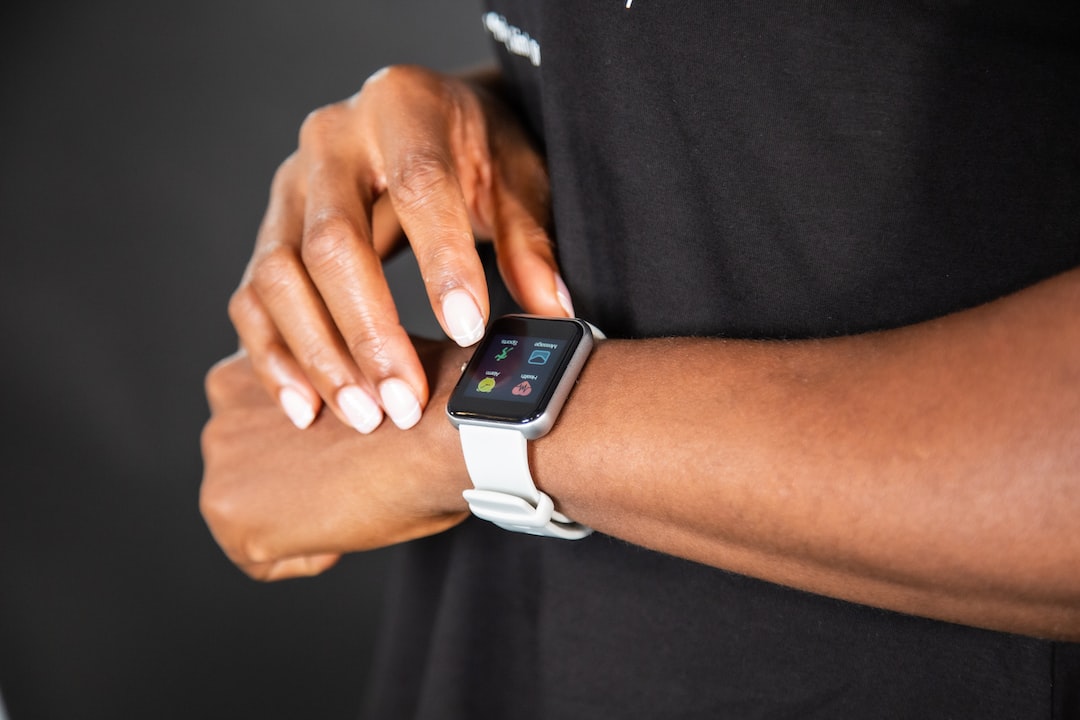
Smartwatches have evolved beyond mere timekeeping devices to powerful health and fitness tools. With an array of features designed to monitor and improve health, they play a crucial role in promoting overall wellness. From tracking daily activities to providing alerts for health conditions, these devices cater to a wide spectrum of health needs and preferences. The integration of technology into personal health management has made it easier for individuals to take proactive steps toward a healthier lifestyle.
Health Tracking Features
Smartwatches come equipped with an impressive suite of health tracking features that cater to users’ diverse health needs. These features are essential for anyone looking to monitor their physical well-being effectively. Key functionalities include:
- Heart Rate Monitoring: Continuous heart rate tracking helps users understand their cardiovascular health and exercise intensity.
- Sleep Tracking: Analyze sleep patterns to improve sleep quality and discover factors affecting restfulness.
- Step Counting: Daily step counts encourage movement and can motivate users to reach daily activity goals.
- Calorie Tracking: Monitoring caloric intake and expenditure helps maintain healthy weight and support fitness goals.
- Blood Oxygen Levels: Monitoring blood oxygen saturation can provide insights into respiratory health.
These features empower users to make informed decisions about their health and fitness routines. Regular tracking can identify trends and anomalies, prompting timely interventions when necessary.
Management of Chronic Conditions
Smartwatches serve as valuable tools in managing chronic conditions, offering real-time health monitoring. They can assist patients with various health issues, ensuring better adherence to treatment plans and proactive health management. For instance, individuals with diabetes can utilize glucose monitoring features combined with activity data to maintain optimal blood sugar levels. Similarly, patients with hypertension can benefit from heart rate and blood pressure tracking, allowing them to manage their condition more effectively.
“Wearable devices are crucial for users to take control of their health, improving adherence to medication and lifestyle changes.”
Impact on Physical Fitness and Health Improvements
Numerous studies have shown that the integration of wearable technology like smartwatches significantly enhances physical fitness and overall health. For example, a study published in the Journal of Medical Internet Research found that individuals using wearable fitness trackers, including smartwatches, increased their physical activity levels by 30%. Additionally, the American Heart Association reported that consistent usage of these devices can lead to a 24% decrease in the risk of heart disease.
Real-life cases have demonstrated that users who set fitness goals through their smartwatches often experience enhanced motivation and accountability, leading to long-term lifestyle changes. This impact is particularly notable in individuals who may have previously struggled to maintain an active lifestyle.
Customization and Personalization in Smartwatch Design

The rise of smartwatches has transformed how we interact with technology on our wrists. Amidst the growing competition in the market, customization and personalization have emerged as crucial elements that significantly enhance user experience. Smartwatches not only serve as functional gadgets but also as personal accessories that reflect individual style and preferences. Customizable watch faces and bands enable users to express their personality while maintaining the smartwatch’s functionality, making them more appealing to a broader audience.
Customizable watch faces allow users to modify the appearance of their smartwatches according to their mood or occasion. This feature enhances user engagement as it fosters a sense of ownership and connection to the device. Various options, from digital to analog displays, and from minimalist to elaborate designs, cater to different aesthetic tastes. Additionally, interchangeable bands enable users to switch styles easily, whether they prefer a sporty look with a silicone band for workouts or a classic leather strap for formal events. The emotional impact of wearing a watch that aligns with one’s personal style cannot be overstated, as it enhances the overall experience of using the device.
Popular Apps for Enhancing Personalization
Numerous applications focus on enhancing the personalization of smartwatches. These apps expand the capabilities of the devices, offering users various options to tailor their experience. The following are some notable examples:
- WatchMaker: This app allows users to create and share their custom watch faces, providing an extensive library of user-generated designs.
- Facer: A popular platform offering thousands of watch faces, allowing users to browse, download, and customize styles that suit their preferences.
- Spotify: Not only does it let users control their music but also includes features that allow for personalization of the interface, such as quick access to favorite playlists and song recommendations based on listening habits.
- Strava: This fitness app integrates with smartwatches to provide personalized fitness tracking, including customizable workout stats, which makes it appealing for those who prioritize health and fitness.
Customization options in smartwatches significantly influence consumer choices and brand loyalty. When consumers can tailor their devices to fit their lifestyles and preferences, they are more likely to develop an attachment to the brand. Brands that offer extensive customization options often see higher rates of customer retention. For example, the ability to personalize a smartwatch through bands and faces can sway buyers towards brands like Apple or Samsung, which provide these options as part of their ecosystem. In contrast, brands with limited personalization features may find it challenging to compete.
In summary, the significance of customizable watch faces and bands in smartwatches enhances user experience, contributes to brand loyalty, and fosters consumer choices, making personalization a key aspect of modern smartwatch design.
The Future of Smartwatch Technology
As we look ahead to the next five years, smartwatch technology is poised for significant advancements that will enhance their functionality, usability, and integration into daily life. With increasing consumer demand for more personalized and capable devices, manufacturers are likely to innovate in various areas to meet these expectations. The fusion of health tracking, connectivity, and artificial intelligence is setting the stage for a new era in wearable tech.
Potential Developments in Smartwatch Technology
The coming years will likely see transformative developments in smartwatch technology, driven by advancements in hardware, software, and consumer needs. Key areas of innovation include:
- Advanced Health Monitoring: Future smartwatches are expected to include features such as continuous glucose monitoring, improved heart rate tracking, and even blood pressure measurement, providing users with comprehensive health insights.
- Longer Battery Life: With the integration of more efficient processors and energy-saving technologies, upcoming smartwatches will likely offer extended battery life, allowing for longer usage between charges.
- Enhanced Connectivity: The adoption of 5G technology will facilitate faster syncing and real-time communication, making smartwatches more reliable for urgent notifications and streaming services.
- Flexible Displays: Innovations in display technology may lead to foldable or flexible screens, enabling larger interfaces while maintaining a compact form factor.
Trends in Consumer Preferences
Consumer preferences are continually evolving, significantly influencing the direction of smartwatch development. Key trends that are expected to shape the next generation of smartwatches include:
- Fashion and Customization: Users are increasingly seeking smartwatches that reflect their personal style. The demand for customizable watch faces and interchangeable bands will drive brands to offer more aesthetic options.
- Focus on Health and Wellness: As health consciousness rises, consumers will prefer smartwatches that provide advanced health tracking features, such as sleep analysis and stress monitoring.
- Seamless Integration with Other Devices: There is a growing expectation for smartwatches to integrate smoothly with smartphones, smart home devices, and health platforms, promoting a holistic digital ecosystem.
Integration of Artificial Intelligence in Smartwatches
The integration of artificial intelligence (AI) into smartwatch technology is set to enhance functionalities significantly. AI can offer personalized experiences by learning user behavior over time. Key areas where AI is expected to make an impact include:
- Smart Assistants: AI-enabled voice assistants on smartwatches will become more intuitive, allowing users to perform tasks hands-free, such as sending messages or checking the weather.
- Predictive Health Insights: By analyzing health data, AI can provide users with predictive insights, such as foreseeing potential health issues based on patterns in their data.
- Improved User Interfaces: AI can enhance user interfaces through adaptive algorithms that customize watch functionality based on user habits and preferences, streamlining the overall experience.
“Smartwatches will increasingly evolve into personalized health companions, leveraging AI to offer insights and recommendations tailored to individual users.”
With these advancements, the future of smartwatches promises to be not only functional but also integral to our lifestyles, paving the way for a more connected and health-conscious society.
Smartwatch Security and Privacy Concerns
The proliferation of smartwatches has brought convenience and accessibility to our daily lives, but it also raises significant security and privacy issues. As wearables become more integrated into our routines, understanding the vulnerabilities associated with these devices is essential to protect personal data and maintain user trust.
Smartwatches can be susceptible to various security vulnerabilities, including unauthorized access, data breaches, and malware infections. Effectively mitigating these risks requires awareness and proactive measures from users. Here are some common vulnerabilities and strategies to address them.
Common Security Vulnerabilities and Mitigation Strategies
Smartwatches often store sensitive data, such as health metrics, location information, and personal messages, making them attractive targets for cybercriminals. Key vulnerabilities include:
- Unauthorized Access: Smartwatches can be easily accessed if not properly secured. Users should set strong passcodes and enable biometric authentication where available to prevent unauthorized use.
- Data Breaches: Insecure communication between the smartwatch and linked devices can lead to data interception. Utilizing encrypted connections and VPNs helps enhance data security during transmission.
- Malware Attacks: Malicious software can compromise smartwatch functionality. Avoid downloading unverified apps and ensure the operating system and apps are frequently updated to patch known vulnerabilities.
- Bluetooth Vulnerabilities: Bluetooth connections can be exploited by attackers. Regularly review device pairing settings and disconnect from devices when not in use to limit exposure.
“Implementing robust security measures is essential to safeguard personal data against cyber threats.”
Data Privacy Implications and User Trust
As smartwatches gather extensive data about users, including health stats and location history, data privacy becomes a paramount concern. Users often express apprehension about how their information is collected, stored, and utilized by manufacturers.
When users lack confidence in a device’s security, their willingness to share sensitive information diminishes, impacting overall user engagement. To build trust, companies must prioritize transparent data handling practices, clearly outlining data usage policies and opting for user consent.
Best Practices for Ensuring Data Security
Adopting best practices can significantly improve the security of smartwatch data. Here are several recommendations:
- Regular Software Updates: Keep the smartwatch and companion apps updated to ensure the latest security patches are applied.
- Control App Permissions: Limit the access apps have to personal data and features. Regularly review and adjust permissions according to necessity.
- Use Strong Passwords: Employ unique and complex passwords for smartwatch accounts and linked applications to reduce the risk of unauthorized access.
- Disable Unused Features: Turn off features such as Wi-Fi and Bluetooth when not in use to minimize exposure to potential security threats.
- Educate Yourself: Stay informed about the latest security threats and best practices for wearable technology to make informed decisions regarding device usage.
“Security is not a destination, but a journey. Continuous education and vigilance are key.”
Smartwatches in Professional Settings and Their Benefits
Smartwatches have rapidly evolved from mere fitness trackers to essential tools in professional environments. Their integration into daily work routines offers a range of functionalities that enhance productivity and streamline operations. By providing real-time access to important notifications, health monitoring, and various applications, smartwatches can significantly improve the overall workflow in numerous industries.
The adoption of smartwatches in professional settings is transforming how tasks are performed, enabling employees to manage their time and responsibilities more effectively. Smartwatches can be especially beneficial in industries where quick communication and immediate access to information are crucial. They serve as a bridge between traditional work methods and the digital ecosystem, allowing for greater efficiency.
Industries Utilizing Smartwatches
Several sectors are witnessing a substantial impact from smartwatches, changing the way employees interact with technology and each other. The following industries are at the forefront of this revolution:
- Healthcare: Medical professionals use smartwatches to monitor patient data and receive alerts about critical health metrics. For instance, doctors can access patient charts and laboratory results directly from their wrists, ensuring timely decisions.
- Manufacturing: In manufacturing, smartwatches facilitate real-time communication on the shop floor. Workers can receive updates on production lines and equipment status without needing to check their phones or computers, which enhances operational efficiency.
- Logistics: Delivery personnel utilize smartwatches for route optimization and real-time tracking. This technology reduces delays and minimizes communication errors, ultimately improving customer satisfaction.
- Finance: In finance, professionals benefit from having instant access to market updates and communication with team members. Smartwatches allow quick responses to market changes, enabling traders to make informed decisions rapidly.
The use of smartwatches in these industries showcases their versatility and potential to adapt to various work environments. However, it is essential to recognize the balance between the efficiency gained and the potential distractions they may introduce.
Smartwatches can enhance productivity, but they may also lead to information overload if not managed correctly.
The key lies in understanding how to utilize these devices effectively. Setting boundaries for notifications and using task management apps can help mitigate distractions while still reaping the benefits of enhanced connectivity and accessibility. By leveraging smartwatches wisely, professionals can strike a balance that boosts productivity without compromising focus or work quality.
Environmental Impact of Smartwatch Production and Disposal
The production and disposal of smartwatches have become increasingly significant in discussions surrounding environmental sustainability. As technology advances, so does the need to assess the ecological footprint of these devices. Understanding the impact of smartwatch manufacturing and the associated disposal processes is crucial for both manufacturers and consumers who wish to make environmentally conscious choices.
The manufacturing of smartwatches presents various environmental concerns. The extraction of raw materials, such as metals and plastics, contributes to habitat destruction, pollution, and significant energy consumption. Moreover, the production process often involves harmful chemicals that can contaminate local ecosystems. For instance, the production of lithium batteries, commonly used in smartwatches, not only requires extensive mining but also generates considerable greenhouse gas emissions. Therefore, it’s essential to explore sustainable practices that can mitigate these negative effects.
Sustainable Practices in Smartwatch Manufacturing
Leading smartwatch manufacturers are increasingly adopting sustainable practices to minimize their environmental impact. These initiatives are aimed at reducing waste, conserving energy, and utilizing eco-friendly materials. Some of the notable practices include:
- Use of Recycled Materials: Many companies are incorporating recycled metals and plastics into their designs. For example, some brands utilize recycled aluminum for their smartwatch cases, significantly reducing the environmental footprint of new material extraction.
- Renewable Energy Sources: Manufacturers are transitioning to renewable energy in their production facilities. By utilizing solar or wind energy, companies can decrease their reliance on fossil fuels and lower greenhouse gas emissions.
- Sustainable Packaging Solutions: Brands are focusing on environmentally friendly packaging, such as biodegradable materials or minimalistic designs that reduce waste.
- Transparency in Supply Chains: Leading companies are increasingly transparent about their sourcing practices, ensuring that they adhere to ethical and sustainable standards throughout their supply chain.
Recycling and Disposal Options for Old Smartwatches
As technology evolves, many consumers upgrade their smartwatches, leading to a growing number of discarded devices. Proper recycling and disposal of these devices are essential to minimize environmental harm. Smartwatches contain valuable materials that can be repurposed, and improper disposal can lead to hazardous waste. The following options are available for responsible disposal:
- Manufacturer Take-Back Programs: Many smartwatch manufacturers offer take-back programs where consumers can return their old devices for proper recycling. This ensures that hazardous materials are handled safely and valuable components are reused.
- Recycling Centers: Local e-waste recycling centers can safely process old smartwatches. These facilities are equipped to extract metals and other materials, reducing landfill waste and conserving resources.
- Donation or Resale: Functional old smartwatches can be donated or sold, extending their life cycle and reducing the demand for new products. Many charitable organizations accept working electronics and offer them to those in need.
By implementing these sustainable practices and encouraging responsible disposal, we can significantly reduce the environmental impact of smartwatches.
Final Review
In conclusion, smartwatches represent a fascinating intersection of technology and lifestyle. As they continue to evolve, they offer new opportunities for enhancing our daily activities, health, and productivity. With the ongoing advancements in features and capabilities, smartwatches are set to play an even more significant role in our lives, making them indispensable companions that help us navigate the modern world.
Popular Questions
What is a smartwatch?
A smartwatch is a wearable device that offers advanced features beyond just telling time, including fitness tracking, notifications, and health monitoring.
How long does the battery of a smartwatch last?
Battery life varies by model, but most smartwatches last from one to several days on a single charge, depending on usage.
Can I make calls from my smartwatch?
Many smartwatches allow you to make and receive calls when paired with a smartphone or have cellular capabilities for standalone use.
Are smartwatches waterproof?
Most smartwatches come with varying degrees of water resistance, but it’s essential to check the specific model’s rating before exposing it to water.
Do I need a smartphone to use a smartwatch?
While many features require a smartphone, some smartwatches can operate independently, offering cellular connectivity and apps.