
 Matthew David
Yoga mats have come a long way from their humble beginnings, evolving through various cultures and practices to become essential tools for modern yoga enthusiasts. These mats offer not just a physical space to practice, but also reflect the history and craftsmanship that span centuries. From ancient civilizations using natural materials to today’s high-tech innovations, the journey of yoga mats is fascinating and deeply intertwined with the evolution of yoga itself.
In understanding yoga mats, we find a blend of functionality and artistry, as they not only enhance our physical practice but also contribute to our overall wellness. The right mat can significantly improve grip, stability, and comfort, making it a vital component in achieving optimal performance. Whether you are a seasoned yogi or a beginner, the importance of selecting the right yoga mat cannot be understated, as it can profoundly impact your practice and health.
The historical evolution of yoga mats throughout different cultures
Yoga mats have an intriguing history that reflects the evolution of yoga itself and its culturally diverse practices. Initially, the concept of a mat was not as we know it today; traditional practices across various cultures utilized natural surfaces, like grass or sand, for meditation and physical exertion. Over centuries, as yoga spread across the globe, the notion of what constitutes a yoga mat transformed significantly, becoming an essential tool that connects practitioners with the physical and spiritual aspects of their practice.
Historically, yoga mats have undergone significant changes in both form and function. In ancient India, practitioners often performed yoga directly on the ground or on grass, which allowed them to feel grounded and connected to nature. However, as yoga gained popularity in the West during the 20th century, the demand for specialized mats grew, leading to innovations in materials and designs. Traditional mats were commonly made from natural fibers and materials such as cotton, jute, or animal hides, which provided some level of comfort and grip.
In contrast, today’s yoga mats are primarily produced using synthetic materials like PVC (polyvinyl chloride), TPE (thermoplastic elastomer), and eco-friendly options such as natural rubber and jute. These modern materials are designed to enhance grip, durability, and comfort, catering to the diverse needs of contemporary practitioners. The introduction of non-slip surfaces and cushioned designs addresses the challenges faced by many during their practice, ensuring safety and stability.
Influences of Ancient Practices on Modern Yoga Mats
The design and function of modern yoga mats are deeply influenced by ancient practices that emphasized connection to the earth and the importance of stability in movement. Notable examples include:
– Asana Practice on Natural Surfaces: Early yogis practiced asanas on surfaces like dried leaves or grass, which provided a natural grip and connection to the earth. This laid the foundation for the non-slip features we see in today’s mats.
– Meditation and Sitting Postures: In various cultures, meditation practices such as Zazen in Zen Buddhism involved sitting on woven mats made from straw or rushes. These mats not only served a practical purpose but also held cultural significance, symbolizing mindfulness and grounding.
– Cultural Textiles and Weaving Techniques: Use of handcrafted textiles in traditional yoga practices contributed to the aesthetics and functionality of mats. The intricate designs and colors used in these textiles often depicted spiritual symbols and motifs, which continue to inspire modern designs.
– Influence of Martial Arts: Ancient martial arts, which often integrated yoga-like movements, made use of padded surfaces for practice. This concept of cushioning was adapted into the modern yoga mat to provide comfort during intense physical activity.
These factors illustrate how the historical context of yoga has shaped the development of mats, highlighting their cultural importance and practical evolution from simple natural surfaces to specialized, purpose-built tools for practitioners today.
The impact of yoga mats on yoga practice and physical health
Yoga mats play a pivotal role in enhancing the overall experience and effectiveness of yoga practice. A well-chosen mat not only provides a designated space for practice but also contributes significantly to physical safety and performance. The right mat can make the difference between a comfortable, supportive session and one that leads to potential injuries or discomfort.
The primary factors to consider when selecting a yoga mat include grip, cushioning, and stability. A mat with excellent grip is crucial for preventing slips during poses, especially in dynamic styles of yoga where movements can become vigorous. Mats made from high-quality materials like natural rubber or textured PVC often provide superior traction, minimizing the risk of falls and allowing practitioners to focus on their form without fear of losing their balance.
Cushioning is another essential aspect, as it can reduce the impact on joints during poses and transitions. For individuals with sensitive knees or wrists, a mat with adequate thickness can provide the necessary support, helping to maintain alignment and prevent strain. Stability also plays a crucial role; a mat that is too soft may not provide the support needed for balancing poses, while a firmer mat can enhance the grounding feeling required to execute challenging asanas.
Health benefits of using a yoga mat regularly
Using a yoga mat consistently can lead to numerous physical health benefits, contributing to both mental and physical well-being. Practicing yoga on a mat designed for this purpose not only fosters a sense of routine but also encourages a deeper connection to the body and breath.
Regular use of a yoga mat can facilitate the following health improvements:
Increased flexibility:
Practicing yoga on a mat creates a stable environment that encourages stretching and lengthening of muscles, leading to enhanced flexibility over time.
Improved posture:
By using a mat, practitioners can better engage with their alignment, helping to correct posture issues that can arise from daily habits.
Enhanced strength:
Many yoga poses incorporate bodyweight resistance, and a mat provides the ideal surface to develop core strength and muscular endurance.
Joint health:
The cushioning of a yoga mat reduces the stress on joints, making it easier for practitioners to perform movements without discomfort, thus promoting long-term joint health.
Stress relief:
The ritual of practicing on a personal mat can create a calming space that encourages mindfulness, reducing stress and anxiety levels.
Incorporating yoga mats into a regular practice not only improves physical performance but also nurtures mental resilience, culminating in a holistic approach to health. The accessibility of yoga, paired with the benefits of a proper mat, ensures that individuals of all levels can participate safely and effectively in their practice.
A comprehensive guide to choosing the right yoga mat for individual needs
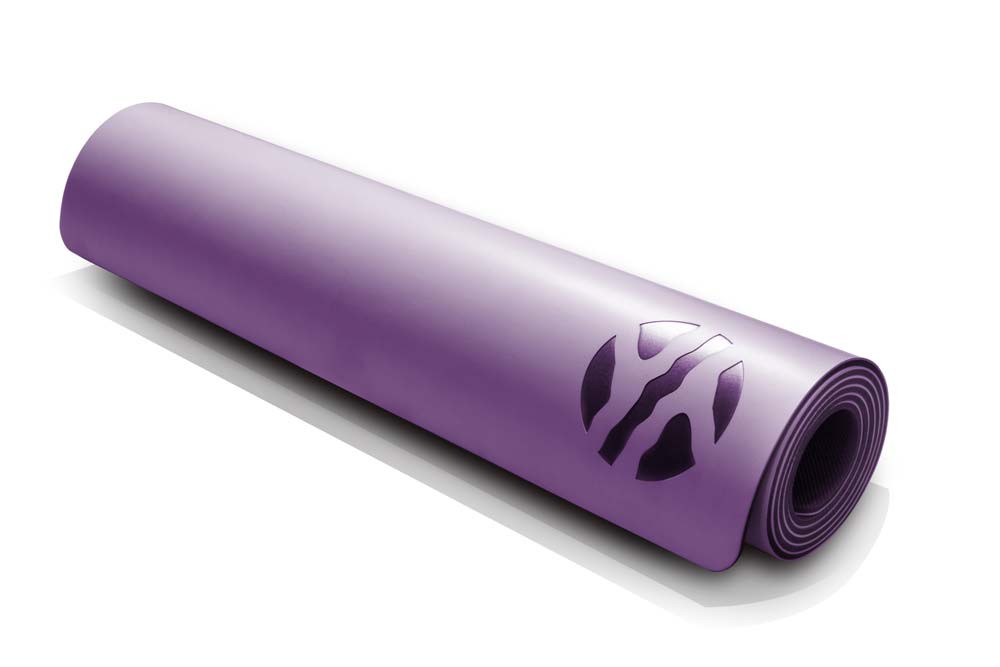
Selecting the perfect yoga mat can significantly enhance your practice. With a variety of options available, understanding key factors such as thickness, material, and texture is essential in making the right choice tailored to your personal needs. Here’s a detailed breakdown to help you navigate the myriad of options.
Factors to consider when selecting a yoga mat
When choosing a yoga mat, several distinct factors come into play that can affect your overall experience. These include:
- Thickness: Mats typically range from 1/16 to 1/4 inch thick. Thicker mats provide more cushioning, beneficial for joint protection, while thinner mats enhance stability and balance.
- Material: The materials used in yoga mats vary widely. Common options include PVC, TPE, and natural rubber, each with different levels of durability, eco-friendliness, and grip quality.
- Texture: The texture of a mat influences how much grip it provides during practice. Some mats are smooth while others have a raised pattern. A good grip is crucial for maintaining poses and preventing slips.
- Weight: For those who practice on the go or attend classes, the weight of the mat can be an important factor. Lightweight mats are easier to transport, while heavier mats may be more stable.
- Price: Yoga mats come at various price points. It’s advisable to balance your budget with the desired quality, as higher-priced mats often offer better durability and performance.
Comparison table of different yoga mats
Below is a comparison table showcasing several types of yoga mats available in the market, highlighting their features and benefits:
| Type of Mat | Material | Thickness | Grip Level | Eco-Friendliness | Price Range |
|---|---|---|---|---|---|
| Standard PVC Mat | PVC | 1/8 inch | Moderate | Low | $20 – $30 |
| TPE Mat | TPE | 1/4 inch | High | Moderate | $30 – $50 |
| Natural Rubber Mat | Natural Rubber | 1/8 inch | Very High | High | $50 – $80 |
| Travel Mat | PVC or TPE | 1/16 inch | Moderate | Variable | $20 – $40 |
| Eco-Friendly Mat | Jute or Cork | 1/4 inch | High | Very High | $40 – $70 |
Yoga styles and their mat requirements
Different yoga styles often require specific types of mats to fully support the practice and enhance performance. For instance, in vigorous styles such as Vinyasa or Ashtanga, a mat with superior grip is essential to prevent slipping during dynamic postures. These styles involve continual movement, and a mat with excellent traction ensures stability and safety.
Conversely, restorative yoga styles, like Yin or Hatha, might benefit from thicker mats. The added cushioning supports longer holds in poses, providing comfort for the joints and reducing pressure during extended sessions. Practitioners may opt for mats that are not only thicker but also softer, enabling a more soothing experience.
Hot yoga classes require mats designed to handle sweat without losing grip. Many practitioners choose mats made from materials such as natural rubber that possess moisture-wicking properties to maintain a safe and stable surface even in high temperatures.
In summary, recognizing the varying requirements of yoga styles and matching them with the appropriate mat types is crucial for enhancing the overall experience. The right mat not only supports the physical practice but also fosters a deeper connection to the mind-body interaction essential in yoga.
Environmental considerations and the sustainability of yoga mats
In today’s environmentally conscious world, the choice of yoga mat goes beyond personal comfort and performance; it significantly impacts our planet. As practitioners of yoga, many people are becoming increasingly aware of the materials used in their mats and the sustainability of their production processes. This awareness leads to informed choices that support eco-friendly practices, thereby contributing to a healthier planet.
One of the main concerns regarding yoga mats is the materials from which they are made. Traditional mats are often produced from PVC (polyvinyl chloride), a petroleum-based product that poses serious environmental challenges. PVC mats can take hundreds of years to decompose, and their production emits toxic chemicals that can harm both workers and the surrounding environment. However, there are now a variety of sustainable alternatives available that are not only eco-friendly but also high-performing.
Eco-friendly yoga mat materials
Several materials have emerged as sustainable options for yoga mats, each with its unique properties and environmental impacts:
- TPE (Thermoplastic Elastomer): This material is a synthetic blend that is free from PVC and harmful chemicals. It’s recyclable and biodegradable, making it a popular choice among eco-conscious yogis. Brands like Manduka produce TPE mats that balance performance with sustainability.
- Natural Rubber: Harvested from rubber trees, natural rubber is biodegradable and generally free from toxic substances. It offers excellent grip and cushioning. Companies such as Jade Yoga prioritize sustainability by planting a tree for every mat sold.
- Cork: Cork mats are made from the bark of cork oak trees, which can be harvested without harming the tree. This renewable resource provides a natural, anti-microbial surface, and brands like Gaiam offer cork mats that are both eco-friendly and stylish.
- Jute: Jute is a natural fiber that is biodegradable and often blended with other materials for added durability. It’s a sustainable option that provides a unique texture, and brands like prAna have incorporated jute into their yoga mat offerings.
The importance of choosing eco-friendly mats extends beyond individual practice; it reflects a commitment to reducing one’s ecological footprint. By opting for mats made from sustainable materials, consumers can support brands that prioritize environmentally responsible manufacturing practices. This choice encourages a shift in the industry toward more sustainable production methods, prompting even traditional manufacturers to reassess their materials and processes.
Moreover, many eco-friendly mats are designed to last longer than conventional mats, minimizing waste and the need for frequent replacements. Investing in a high-quality, sustainable mat not only enhances your practice but also contributes to a healthier planet for future generations. As conscious consumers, understanding the lifecycle of a yoga mat—from production to disposal—can empower individuals to make choices that align with their values, ultimately fostering a culture of sustainability in the wellness community.
In summary, the evolution of yoga mats from harmful materials to sustainable options marks a significant advancement in both the yoga and environmental movements. By selecting eco-friendly options, practitioners can harmoniously blend their commitment to personal well-being with that of our planet.
Maintenance and care tips for prolonging the life of a yoga mat
Taking care of your yoga mat is essential not only for hygiene but also for ensuring its longevity. A well-maintained mat enhances your practice experience and can save you money in the long run by delaying the need for a replacement. Below are some comprehensive tips for cleaning, maintaining, and storing your yoga mat to keep it in excellent condition.
Cleaning and maintaining yoga mats
Regular cleaning is crucial in maintaining the integrity of your yoga mat. Depending on the frequency of your practice and the type of yoga you do, here are some effective cleaning tips:
- Wipe down after each use: Use a damp cloth or an eco-friendly mat spray after each session. This prevents bacteria from building up.
- Deep cleaning: At least once a month, give your mat a thorough wash. For most mats, a solution of mild soap and water can be used. Soak a cloth in the solution and wipe down the entire surface, then rinse with clean water and dry.
- Avoid harsh chemicals: Stay away from bleach and strong detergents, which can degrade the material of your mat. Opt for natural cleaning solutions when possible.
- Air dry: After cleaning, lay your mat flat in a well-ventilated area away from direct sunlight. Direct sunlight can warp your mat and cause fading.
Storing yoga mats to prevent damage
Proper storage of your yoga mat is as important as cleaning it. The way you store your mat will significantly affect its lifespan:
- Roll it up: Always roll your yoga mat rather than folding it. Rolling helps avoid creases and maintains its shape.
- Use a mat bag: Invest in a good quality mat bag that protects your mat from dust and dirt when not in use.
- Keep it in a dry place: Store your mat in a dry environment, away from moisture to prevent mold growth.
- Avoid extreme temperatures: Do not leave your mat in places with extreme heat or cold, like a car on a hot day, as this can cause the material to degrade.
Consequences of neglecting proper mat care
Neglecting proper care for your yoga mat can lead to several negative consequences. Firstly, a dirty mat can harbor bacteria and fungi, which can lead to skin infections or respiratory problems. This is particularly concerning for individuals prone to allergies or skin sensitivities.
Additionally, a poorly maintained mat can deteriorate more quickly, losing grip and cushioning. Over time, this can result in injuries as your body lacks the support it needs during practice. A mat that becomes slippery or uneven can disrupt your balance and stability, impacting your performance and potentially causing falls.
Moreover, without regular cleaning, unpleasant odors can develop, making it less inviting to practice. This might not only affect your motivation but can also deter others from wanting to practice near you in group settings.
Lastly, the financial implications of neglecting mat care are significant. Regular replacements due to damage or degradation can accumulate, outweighing the cost of maintaining your existing mat. Investing time in proper care can extend its lifespan, making your practice safer, more enjoyable, and cost-effective in the long run.
Creative uses for yoga mats beyond yoga practice
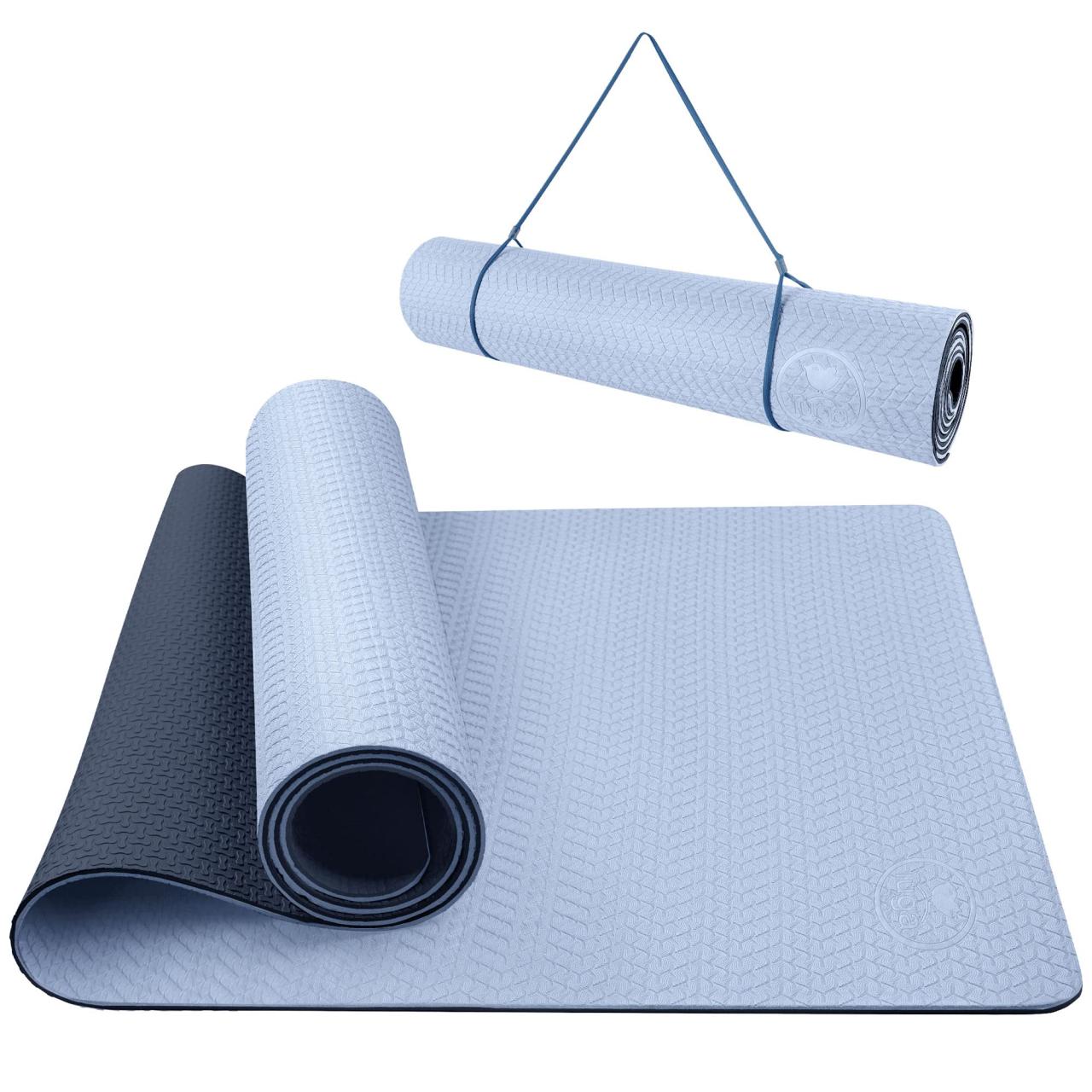
Yoga mats are commonly associated with yoga, but their versatility extends well beyond this practice. They can serve multiple purposes in daily life, contributing to fitness routines, enhancing home decor, and providing comfort in various activities. With their anti-slip surface and cushioning properties, yoga mats are ideal for a range of creative uses that promote well-being and functionality.
Incorporating yoga mats into various activities can significantly enhance overall well-being. The soft and supportive texture of a yoga mat can provide a comfortable surface for exercises that require balance and stability, reducing the risk of injury. Moreover, using a yoga mat for different activities can help improve body awareness, encourage mindfulness, and create a designated space for focused activity, whether it’s exercise or relaxation. The colorful designs and patterns available in yoga mats can also add a touch of personality to your space, making them not just functional objects but also decorative pieces.
Unique activities and exercises performed on a yoga mat
The following activities highlight the versatility of yoga mats beyond traditional yoga practice. Each of these activities not only utilizes the mat effectively but also supports various aspects of physical and mental well-being:
- Stretching sessions: A yoga mat provides the perfect surface for dynamic or static stretching, enhancing flexibility and reducing muscle tension.
- Home workouts: From push-ups to planks, a yoga mat creates a comfortable base for bodyweight exercises, promoting better form and reducing strain.
- Pilates: Engaging in Pilates routines on a yoga mat allows for smooth movements and proper alignment, benefiting core strength and stability.
- Meditation and mindfulness practices: Use the mat as a designated space for meditation, helping to cultivate tranquility and focus.
- Children’s play area: The mat can serve as a safe, soft surface for kids to play, promoting active play and creativity.
- Pet training: Yoga mats can be utilized for training pets, providing a defined area for sit or stay commands, enhancing focus and discipline.
- Crafting or DIY projects: Protect your floors while engaging in arts and crafts, as the mat serves as a non-slip base for various activities.
The psychological benefits of using a yoga mat for meditation and mindfulness
Creating a designated space for meditation and mindfulness practice can significantly enhance the experience and benefits derived from these activities. A yoga mat serves as a physical boundary that delineates a personal sanctuary for reflection and tranquility. This specific area can foster a greater sense of commitment and focus, helping individuals to transition into a meditative state more easily. Furthermore, having a familiar and consistent space can help signal to the mind that it is time to engage in mindfulness practices, reinforcing the habit over time.
The mental health benefits of regularly practicing yoga and meditation on a yoga mat are vast. Engaging in these practices can lead to reduced levels of stress, anxiety, and depression. The act of stretching and moving on a mat can release physical tension, which often translates to emotional relief. By cultivating awareness and presence in the moment, individuals can experience heightened emotional resilience and clarity. Moreover, studies have shown that consistent engagement in these practices can contribute to improved mood, better sleep patterns, and enhanced overall well-being.
Connection between physical space and mental clarity in mindfulness practices
The relationship between physical space and mental clarity is profound in the context of meditation and mindfulness. When individuals use a yoga mat, they create a dedicated zone that is free from distractions, allowing for deeper introspection and relaxation. This space becomes synonymous with peace and contemplation, which can greatly enhance focus.
There are several key aspects to consider regarding how a yoga mat influences mental clarity:
- Psychological Safety: A yoga mat provides a feeling of safety and comfort, essential for letting go of external distractions and diving deep into personal thoughts.
- Routine Establishment: By consistently using a designated mat, individuals can establish a routine that reinforces the habit of mindfulness practice, leading to more consistent and effective meditation sessions.
- Environmental Control: Using a yoga mat allows individuals to control their environment; they can curate it to enhance relaxation, perhaps with calming scents or specific lighting, which can deepen the mindfulness experience.
- Body Awareness: The tactile feedback from the yoga mat can enhance body awareness, allowing practitioners to connect their physical and mental states, promoting clarity and focus.
“The mat is not just a surface; it is a canvas for the mind, where clarity can be painted through the strokes of breath and movement.”
In summary, the psychological benefits of using a yoga mat extend beyond mere physical comfort. The creation of a personal space on the mat encourages a deeper connection to mindfulness practices, fostering mental clarity that can significantly improve emotional health and overall well-being.
Last Recap
In conclusion, the journey of yoga mats through history and their impact on our practice highlights the importance of choosing the right one for your needs. With the rise of eco-friendly options and innovative designs, there’s no better time to explore the diverse world of yoga mats. Whether for meditation, physical health, or creative use, a yoga mat serves as a foundation for both body and mind, inviting us to deepen our connection to ourselves and our practice.
FAQ Guide
What materials are yoga mats typically made from?
Common materials include PVC, TPE, natural rubber, and jute, each offering different levels of grip, cushioning, and sustainability.
How often should I replace my yoga mat?
It’s recommended to replace your yoga mat every 6 to 12 months, depending on usage and wear.
Can I use a yoga mat for other workouts?
Yes, yoga mats are versatile and can be used for various workouts, including Pilates, stretching, and bodyweight exercises.
How can I ensure my yoga mat stays clean?
Regularly wipe down your mat with a mild cleaner or a mixture of water and vinegar, and allow it to air dry after each use.
Are thicker yoga mats better for beginners?
Thicker mats can provide extra cushioning, making them more comfortable for beginners, but they may affect stability in some poses.