 Matthew David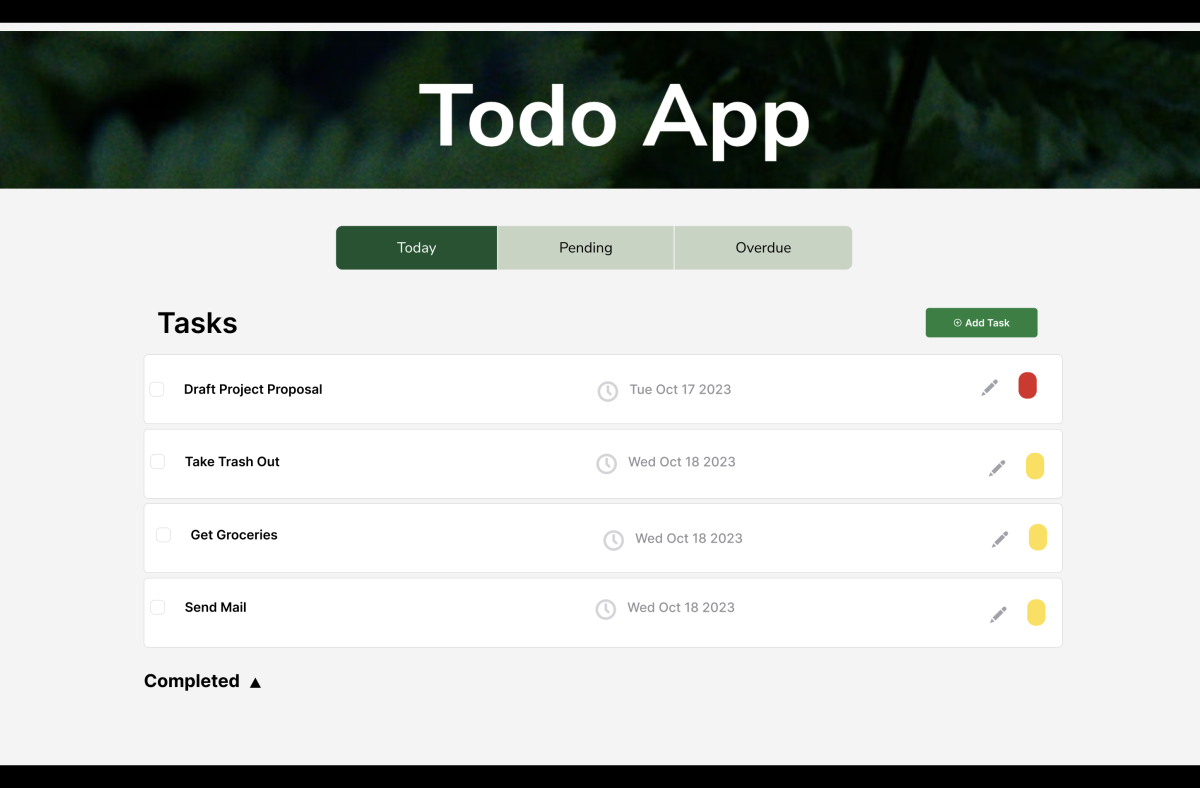
The To-do list app is a powerful tool that revolutionizes the way we manage our daily tasks, offering a seamless blend of technology and organization. By breaking down overwhelming projects into manageable steps, these apps provide a structured path to achieving both personal and professional goals. Imagine starting each day with a clear view of what needs to be accomplished, significantly reducing anxiety and boosting your productivity levels.
These applications not only keep you organized but also offer psychological benefits, as visually tracking your tasks can enhance your motivation and sense of accomplishment. With the right features, a to-do list app becomes more than just a simple reminder system; it transforms into a vital partner in your daily routine, ready to streamline your workflow and help you stay focused.
The importance of a to-do list app in daily productivity
To-do list apps serve as essential tools in enhancing daily productivity by allowing users to organize, prioritize, and track their tasks efficiently. In today’s fast-paced world, where responsibilities can quickly accumulate, these apps provide a structured way to manage time and workload. By utilizing a to-do list app, individuals can streamline their day-to-day activities, leading to better focus and accomplishment of goals.
The effectiveness of to-do list apps lies in their ability to help users organize tasks effectively. These applications provide a digital space to list, categorize, and prioritize tasks, making it easier to visualize both short-term and long-term commitments. Users can break down larger projects into smaller, manageable tasks, which can lead to a significant increase in productivity. Furthermore, many to-do list apps allow for setting deadlines, reminders, and recurring tasks, ensuring that nothing slips through the cracks.
Psychological benefits of tracking tasks visually
Tracking tasks visually through a to-do list app not only contributes to organizational efficiency but also fosters a sense of achievement. When individuals check off completed tasks, they experience a psychological reward that reinforces their motivation. This visual representation of progress can effectively reduce feelings of overwhelm and anxiety associated with large workloads.
The following points highlight how visual tracking can boost psychological wellness:
- Increased motivation: Completing tasks and seeing them checked off provides a sense of accomplishment, fueling motivation to tackle the next items on the list.
- Reduced anxiety: By having a clear Artikel of tasks, users can alleviate stress by knowing exactly what needs to be done, rather than keeping everything in their minds.
- Enhanced focus: With a structured list, users minimize distractions and can concentrate on one task at a time, leading to improved task execution.
- Better time management: Visual aids in to-do list apps allow users to estimate the time required for tasks, helping them allocate their time wisely and avoid last-minute rushes.
The visual tracking of tasks empowers individuals to take control of their day, fostering both productivity and peace of mind.
Examples of stress reduction through to-do list apps
Numerous studies and user testimonials highlight the role of to-do list apps in reducing stress levels. For example, professionals juggling multiple projects report that using a to-do list app helps in compartmentalizing their tasks, leading to less mental clutter.
The following examples illustrate how specific features in to-do list apps contribute to stress reduction:
- Task prioritization: Many apps feature a priority setting, allowing users to focus on high-impact tasks first, which alleviates the stress of feeling overwhelmed by less critical responsibilities.
- Deadline alerts: Receiving timely reminders for upcoming deadlines helps users stay on track and prevents the last-minute scramble that can cause anxiety.
- Integration with calendars: By integrating with calendars, to-do list apps provide a comprehensive view of tasks alongside personal commitments, helping users manage their time effectively.
- Collaboration features: Some to-do list apps allow for shared lists and tasks, enabling teamwork and reducing the burden on individuals by distributing responsibilities.
Utilizing a to-do list app not only organizes tasks but also cultivates a more balanced and less stressful approach to daily life.
Features that make an exceptional to-do list app
In today’s fast-paced world, having an effective to-do list app can significantly enhance productivity and organization. Users are increasingly looking for features that not only help them manage tasks but also streamline collaboration and integrate seamlessly with other tools. The ideal to-do list app balances simplicity with powerful functionalities, allowing users to focus on what matters most.
Essential features are instrumental in defining the user experience of a to-do list app. Below are key functionalities that users commonly seek:
Essential Features of a To-Do List App
To effectively manage tasks and enhance productivity, a to-do list app should include several core features:
- User-Friendly Interface: An intuitive layout is crucial for quick navigation and task management. Users appreciate apps that are easy to understand and use, minimizing the learning curve.
- Task Prioritization: The ability to categorize tasks by urgency or importance allows users to focus on what needs immediate attention, improving overall efficiency.
- Reminders and Notifications: Automated reminders ensure that users stay on track with deadlines and appointments, reducing the likelihood of missed commitments.
- Recurring Tasks: This feature enables users to set tasks that repeat daily, weekly, or monthly, simplifying the management of routine responsibilities.
- Integration with Other Apps: Compatibility with calendars, email, and other productivity tools enhances functionality, making it easier to sync tasks across platforms.
Comparison of To-Do List Apps Based on Unique Functionalities
When comparing various to-do list apps, it’s important to consider their unique functionalities that cater to different user needs. Popular apps include Todoist, Microsoft To Do, and Asana, each offering distinct features:
| App Name | Unique Feature | Best For |
|---|---|---|
| Todoist | Karma Points System | Gamifying productivity for personal users |
| Microsoft To Do | My Day Feature | Daily task organization for Office users |
| Asana | Team Projects and Workflows | Collaborative project management for teams |
Each app caters to specific user preferences, allowing individuals to choose one that aligns with their workflow and lifestyle.
Collaboration Features that Enhance Team Productivity
Collaboration features within to-do list apps are essential for team efficiency and project management. Effective communication and task sharing can lead to greater productivity within teams. Notable collaboration capabilities include:
- Shared Task Lists: Allows team members to access and edit shared lists, ensuring that everyone is on the same page regarding project tasks.
- Comments and Attachments: Facilitates discussions directly on tasks, enabling users to provide context and share relevant documents, streamlining communication.
- Real-Time Updates: Instant notifications about changes or updates to tasks keep everyone informed and engaged, minimizing miscommunication.
- Task Assignments: The ability to assign specific tasks to team members clarifies responsibilities and accountability, promoting a collaborative environment.
By implementing these collaboration features, to-do list apps can significantly improve team dynamics and productivity, leading to more successful project outcomes.
Understanding the different types of to-do list apps available
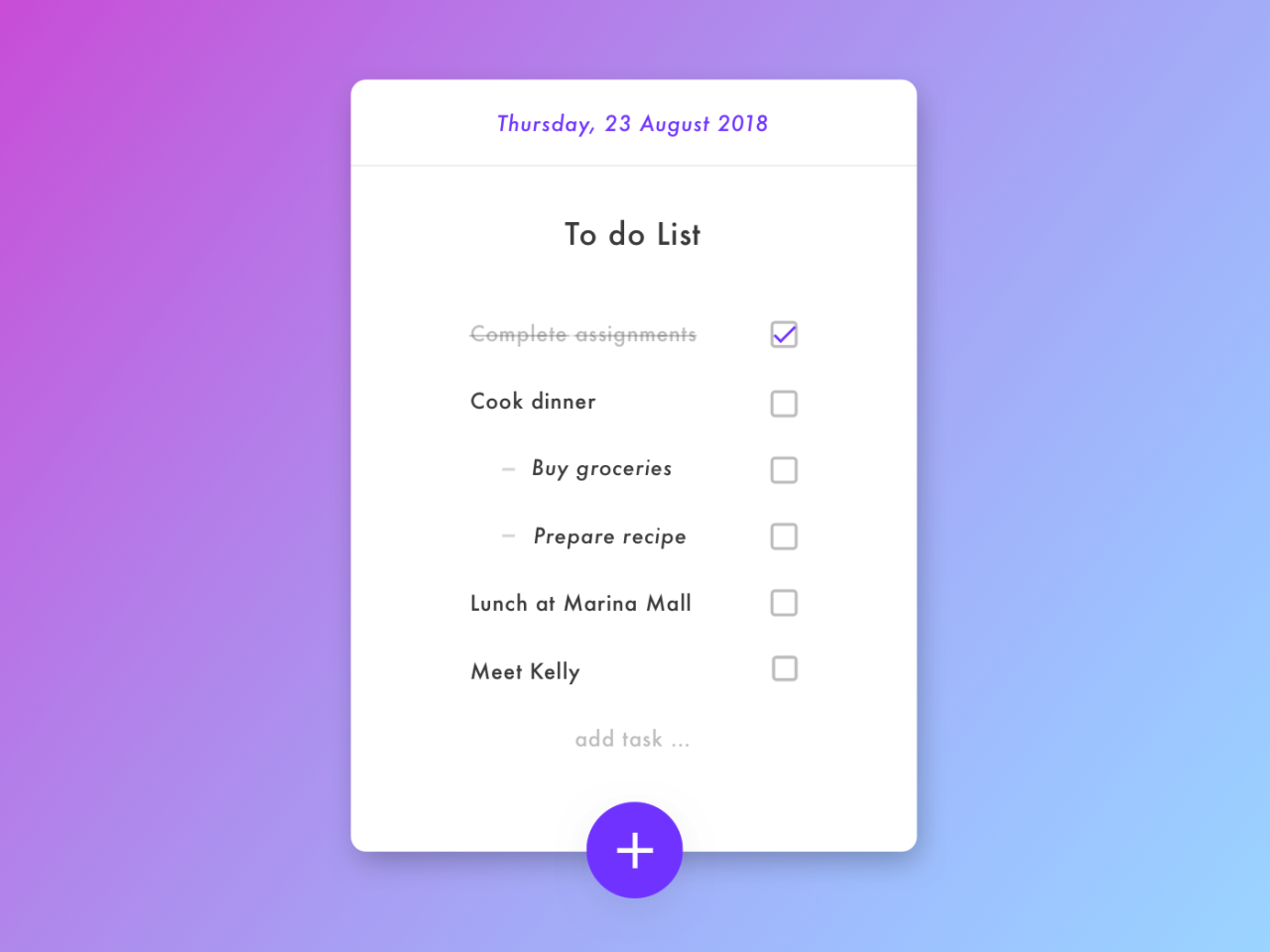
To-do list apps come in various styles and functionalities, catering to different needs and preferences. Understanding these categories can help users select the right tool for their tasks, whether they need something simple for personal errands or a robust solution for team collaboration. This discussion will explore the main types of to-do list apps, including their unique features and the advantages and disadvantages of using specialized versus general-purpose options.
Categories of to-do list apps
There are three primary categories of to-do list apps: simple, advanced, and collaborative. Each category serves a distinct purpose and targets different user experiences.
- Simple To-Do List Apps: These applications focus on essential task management features, making them ideal for users who prefer straightforward functionality. Examples include:
- Todoist: Known for its minimalist design, Todoist allows users to create tasks quickly and set due dates without overwhelming features.
- Google Keep: This app combines note-taking with task management, enabling users to jot down quick reminders and organize tasks visually.
- Advanced To-Do List Apps: These apps offer more sophisticated features, such as project management tools, integration with other software, and customizable workflows. Examples are:
- Notion: A versatile platform that combines to-do lists with databases, calendars, and notes, making it suitable for complex project management.
- Trello: Utilizing a card-based system, Trello allows users to organize tasks visually, making it easy to track progress for individual projects.
- Collaborative To-Do List Apps: Designed for teamwork, these apps facilitate task management across groups, allowing multiple users to collaborate in real-time. Examples include:
- Asana: This app enables teams to create projects, assign tasks, and set deadlines, providing a clear overview of everyone’s responsibilities.
- Microsoft To Do: Seamlessly integrates with Microsoft Office, allowing users to share lists and work collaboratively on tasks with colleagues.
Specialized vs. General Purpose To-Do List Apps
When choosing a to-do list app, users must consider whether to opt for specialized or general-purpose solutions. Specialized apps focus on specific aspects of task management, while general-purpose apps provide a broader range of functionalities.
Specialized to-do list apps often excel in their niche but may lack versatility, whereas general-purpose apps can serve a wider audience but may not provide in-depth features needed for specific tasks.
Specialized apps can offer tailored features, such as advanced analytics for project tracking or integrations with specific tools, providing a more comprehensive solution for users with specific needs. However, this specificity can sometimes lead to a steeper learning curve and reduced usability for everyday tasks.
Conversely, general-purpose apps tend to have a user-friendly interface and can serve a variety of functions, from basic to-do lists to more complicated project management features. Nonetheless, users might find that these apps lack the depth required for specific tasks, leading to potential inefficiencies.
In summary, the decision between specialized and general-purpose to-do list apps should be aligned with the user’s specific needs, workflow preferences, and collaborative requirements.
How to choose the right to-do list app for your needs
Selecting the right to-do list app can significantly enhance your productivity and help you manage your tasks efficiently. With a plethora of options available, narrowing down the choices requires a clear understanding of your personal needs and preferences. This guide Artikels essential criteria to help you make an informed decision when choosing a to-do list app.
Checklist of criteria for selecting a to-do list app
When evaluating different to-do list apps, consider the following criteria that can help streamline your task management process. This checklist will ensure that the app aligns with your requirements and enhances your productivity.
- User Interface (UI): A clean, intuitive design allows for easy navigation and minimizes distractions.
- User Experience (UX): The app should provide a seamless experience, enabling quick task entry and easy access to features.
- Platform Compatibility: Ensure the app is available on the devices you use, such as smartphones, tablets, and computers.
- Customization Options: Look for apps that allow you to tailor the interface and task organization according to your workflow.
- Collaboration Features: If you work in teams, consider apps that facilitate shared lists and collaborative task management.
- Integration with Other Tools: The ability to integrate with calendars, email, or other productivity tools can enhance overall efficiency.
- Task Prioritization: Choose an app that offers features for prioritizing tasks, such as labels, colors, or deadlines.
- Reminders and Notifications: Look for customizable reminders to keep you on track with deadlines and important tasks.
- Offline Access: An app that functions well without an internet connection can be beneficial for those on the go.
- Cost: Evaluate if the pricing model fits your budget, considering both free and premium options.
Importance of user interface and user experience in app selection
The user interface (UI) and user experience (UX) play pivotal roles in how efficiently you can use a to-do list app. A visually appealing and well-organized UI makes it easier to input and manage tasks, reducing the cognitive load on users.
A positive user experience fosters engagement and encourages regular use of the app, which is crucial for effective task management.
An effective UX is characterized by features that respond intuitively to user actions, providing instant feedback and minimizing frustration. For example, an app that allows drag-and-drop functionality for task prioritization enhances usability by offering a straightforward method to adjust your daily agenda.
Influence of personal workflow on app choice
Your individual workflow and daily routines significantly impact the choice of a to-do list app. If you thrive on visual layouts, a kanban-style app may suit you best, offering a clear view of tasks in various stages of completion. Conversely, if you prefer linear lists, a simple checklist app might better align with your needs.
Understanding your workflow helps to select an app that complements your habits and enhances your efficiency.
Moreover, consider how you approach task management. If you tend to juggle multiple projects, opt for an app that supports project folders or tagging systems. Alternatively, if your tasks are primarily personal, a minimalist app that focuses on straightforward task tracking could be more beneficial.
Overall, recognizing your unique workflow patterns allows you to choose a to-do list app that not only meets your functional needs but also promotes a productive habit that fits seamlessly into your daily life.
Tips for maximizing the effectiveness of your to-do list app
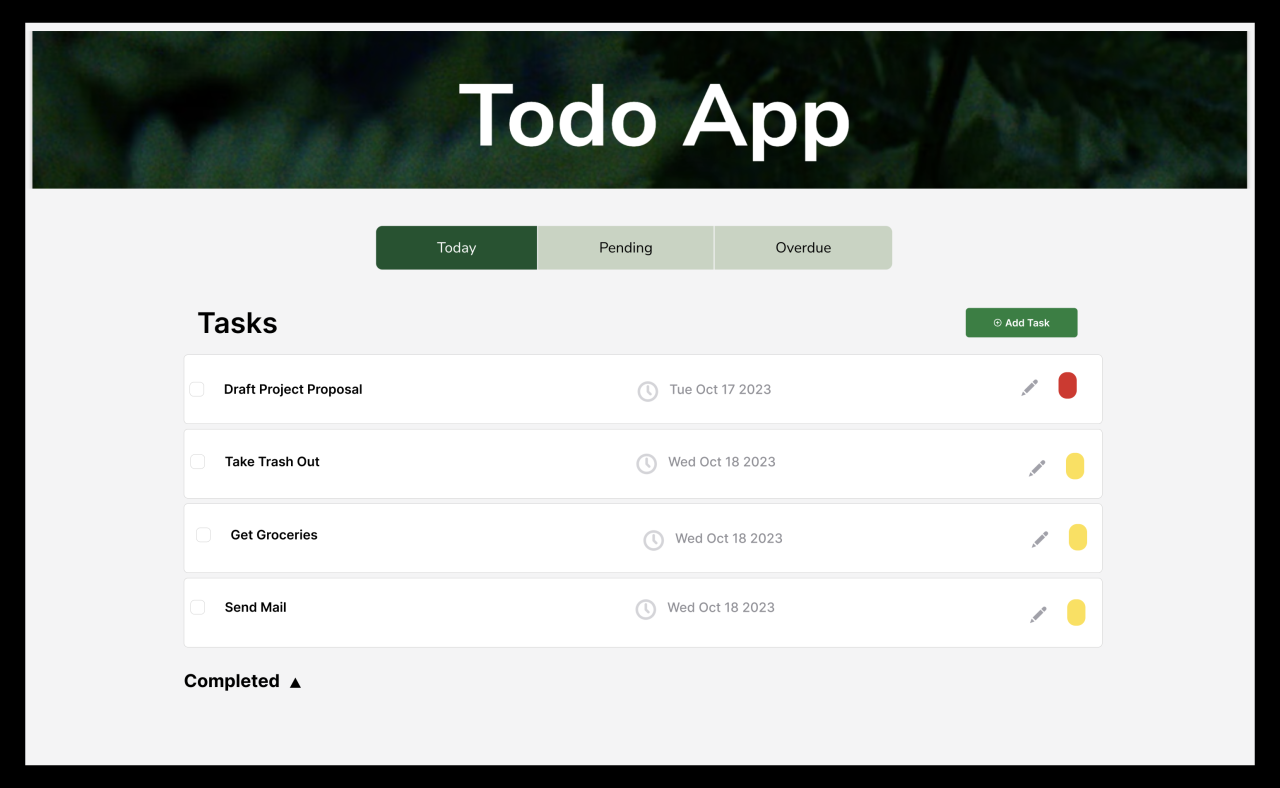
Using a to-do list app can transform your productivity by helping you organize tasks, set priorities, and stay on track with your goals. However, to truly harness its potential, it’s essential to adopt effective strategies and routines. This section will explore tips that can enhance your task management experience, making your to-do list app work more effectively for you.
Strategies for prioritizing tasks within a to-do list app
Prioritizing tasks is crucial for managing workload effectively. A well-structured approach helps you focus on what matters most, ensuring that essential tasks are completed on time. Consider these methods to prioritize your tasks:
- ABC Method: Categorize tasks into three groups: A (high priority), B (medium priority), and C (low priority). Focus on completing A tasks first to maximize impact.
- Time Blocking: Allocate specific time slots for tasks based on their importance. This method helps you dedicate focused time to high-priority items.
- Urgent vs. Important Matrix: Use the Eisenhower Box to distinguish between tasks that are urgent and important, allowing you to address them in the right order.
- Daily Top Three: Identify three key tasks each morning that you aim to complete by the end of the day. This keeps your focus sharp and manageable.
Integrating reminders and deadlines into your task management routine
Timely reminders and clear deadlines can significantly boost your efficiency. Incorporating these features into your workflow ensures that you stay accountable and on schedule. Here are some ways to effectively integrate reminders and deadlines:
- Set Due Dates: Assign realistic deadlines for each task. This helps you estimate time requirements and increases your commitment to completing them.
- Utilize Notifications: Enable push notifications for deadlines and reminders. Timely alerts can keep tasks top of mind and prevent last-minute rushes.
- Recurring Reminders: For repetitive tasks, set up automatic reminders. This ensures ongoing responsibilities are never overlooked.
- Weekly Review: Dedicate time at the end of each week to assess outstanding tasks and set reminders for the upcoming week. This practice allows for adjustments and reflections on your progress.
Examples of successful routines that utilize to-do list apps efficiently
Many individuals and teams have developed effective routines that leverage their to-do list apps to enhance productivity. Here are a few recognized examples:
- Morning Planning Session: Start your day with a quick review of your to-do list to prioritize tasks based on energy levels and urgency. This routine sets a productive tone for the day.
- End-of-Day Review: Spend the last 10 minutes of your workday reviewing completed tasks and planning for tomorrow. This helps in transitioning out of work mode smoothly.
- Team Collaboration: Use shared to-do lists for team projects. This fosters accountability and ensures everyone is on the same page regarding deadlines and responsibilities.
- Incorporating Breaks: Schedule short breaks between tasks in your to-do app. This helps maintain focus and prevents burnout, making it easier to tackle subsequent tasks.
“An organized to-do list is essential for achieving your goals and managing your time effectively.”
The impact of technology on traditional task management methods
The evolution of task management has been significantly influenced by technological advancements, offering alternatives to traditional methods such as paper lists. While paper lists have their charm and simplicity, digital to-do list apps have introduced efficiency, accessibility, and features that enhance productivity. This section will explore these contrasts and how they affect our daily management of tasks.
Comparison between Traditional Paper Lists and Digital To-Do List Apps
Traditional paper lists are straightforward and tactile; they allow individuals to write down tasks, which can lead to a sense of accomplishment when items are crossed off. However, these lists have limitations, such as the inability to set reminders, easily rearrange tasks, or share lists with others. Digital to-do list apps, on the other hand, provide a host of features that facilitate better task management, including:
- Accessibility: Digital lists can be accessed from multiple devices, ensuring tasks are always at hand.
- Reminders and Notifications: Users can set alerts to stay on track with deadlines.
- Collaboration: Sharing lists with team members or family members fosters teamwork and accountability.
- Customization: Users can categorize tasks, set priorities, and add notes or attachments for better organization.
The transition from paper to digital enables smoother task management, as users can easily modify their lists and collaborate with others, enhancing productivity.
Transformation of Task Management through Automation and Connectivity
Technology has reshaped how tasks are managed through automation and connectivity. Automation allows repetitive tasks to be streamlined, reducing manual input. Applications can integrate with calendars, email, and other tools to automatically populate task lists. For instance, an email can be converted into a task with a single click, saving time and effort.
Consider tools like Todoist or Trello, which not only help in organizing tasks but also allow insights into productivity trends. These applications utilize cloud technology to sync data across devices, ensuring that users have real-time access to their tasks regardless of location.
“Automation of tasks leads to reduction in cognitive load, allowing users to focus on more complex activities.”
Potential Drawbacks of Relying Solely on Digital Solutions for Task Management
While digital task management offers numerous benefits, there are potential drawbacks to relying exclusively on these solutions. One significant concern is the risk of over-dependence on technology, which can lead to distractions. Notifications from various apps may interrupt focus, while the vast array of features may overwhelm users, leading to decision fatigue.
Additionally, technical issues such as software glitches, connectivity problems, or battery failures can impede access to important tasks. Privacy and data security also emerge as concerns, as sensitive task information may be vulnerable to breaches.
In essence, while digital solutions offer enhanced efficiency, the balance between traditional methods and technological tools is crucial for effective task management.
Future trends in to-do list app development
The landscape of to-do list apps is evolving rapidly, driven by technological advancements and a growing emphasis on user experience. As we look ahead, several emerging technologies and methodologies are set to redefine how these applications function, making task management more intuitive and efficient for users. This exploration focuses on the integration of AI and machine learning, as well as the role of user feedback in shaping new features.
Integration of AI and machine learning
Artificial intelligence (AI) and machine learning (ML) are becoming central to the development of to-do list applications, providing users with personalized experiences and intelligent task management capabilities. These technologies analyze user behavior, enabling apps to make recommendations, prioritize tasks, and even automate repetitive actions. The potential improvements include:
- Smart Task Suggestions: AI algorithms can analyze previous task completion patterns and suggest new tasks based on user habits and goals.
- Contextual Reminders: ML can help in establishing contextual reminders that consider location, time, or user activity, ensuring users only receive notifications when they are most likely to engage.
- Natural Language Processing: Advanced NLP allows users to add tasks using everyday language, making the app more accessible and easy to use.
- Predictive Analytics: AI can forecast when tasks are likely to be completed based on historical data, helping users manage their schedules better.
“Integrating AI in to-do list apps not only enhances usability but also empowers users to manage their time more efficiently, leading to increased productivity.”
User feedback in feature development
User feedback is a crucial driver in the evolution of to-do list applications, directly influencing the addition and refinement of features. Developers are increasingly adopting a user-centered design approach, ensuring that applications evolve in line with user needs and preferences. The importance of user feedback manifests in several ways:
- Feature Requests: Users often suggest features that align with their specific needs, such as collaboration tools or integration with other apps, leading to a more customized experience.
- User Testing: Engaging with users during the development phase allows developers to identify usability issues and gather insights that inform design decisions.
- Community Engagement: Many apps are building communities around their products where users can share tips, feedback, and experiences, fostering a sense of ownership and loyalty.
- Iterative Updates: Continuous development cycles based on user feedback ensure that apps remain relevant and effective in meeting user demands.
“A feedback-driven development process cultivates innovation, ensuring that to-do list apps not only meet but anticipate the needs of their users.”
Last Recap
In summary, the To-do list app serves as an essential ally in navigating the complexities of modern life, making task management more efficient and less stressful. As technology continues to evolve, these apps are likely to incorporate even more innovative features, which will further enhance our productivity. By choosing the right app and applying effective strategies, you can elevate your task management game and enjoy a more organized and fulfilling life.
FAQ Explained
What are the best to-do list apps available?
Some of the popular to-do list apps include Todoist, Trello, Asana, and Microsoft To Do, each offering unique features tailored to different user needs.
Can I use a to-do list app for collaboration?
Yes, many to-do list apps have collaboration features that allow team members to share tasks, assign responsibilities, and track progress together.
Are to-do list apps free to use?
While many to-do list apps offer free versions, some may require a subscription for advanced features and functionalities.
How do I ensure I use my to-do list app effectively?
To use your to-do list app effectively, regularly update your tasks, prioritize them, and set deadlines to stay on track.
Can I access my to-do list app offline?
Some to-do list apps provide offline access, allowing you to work on your tasks without an internet connection, while others require connectivity for full functionality.