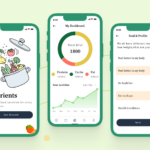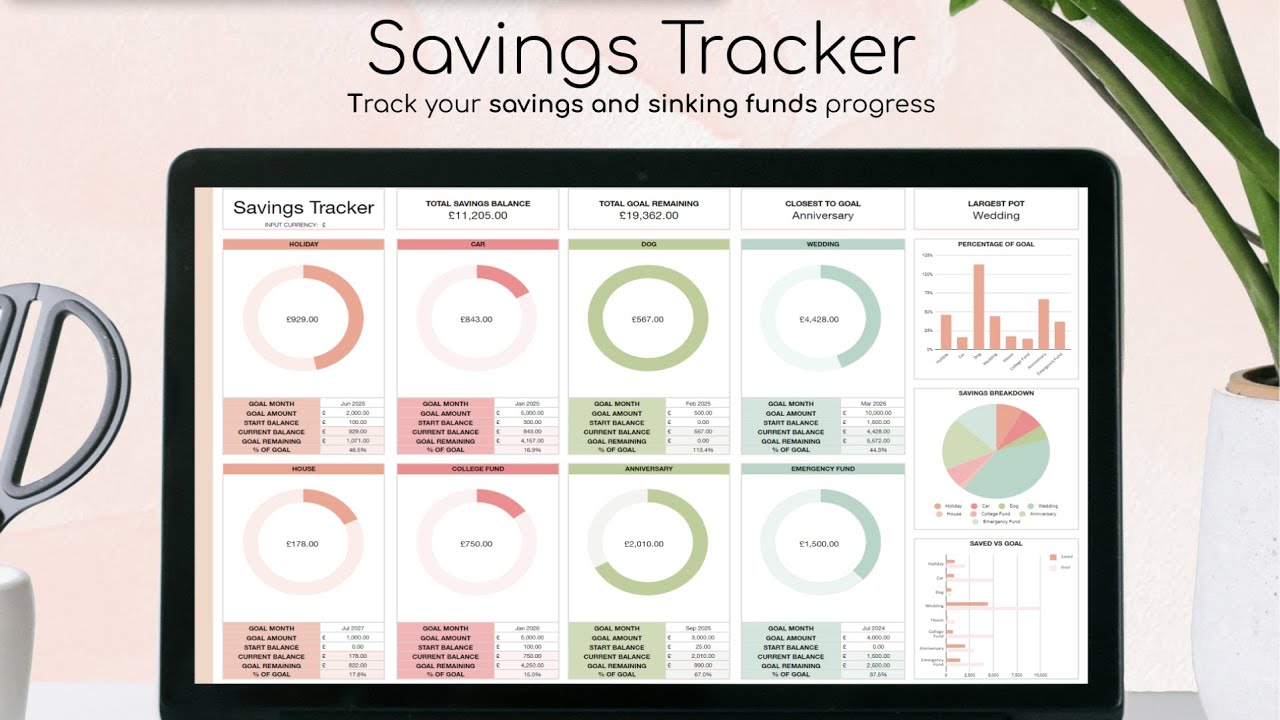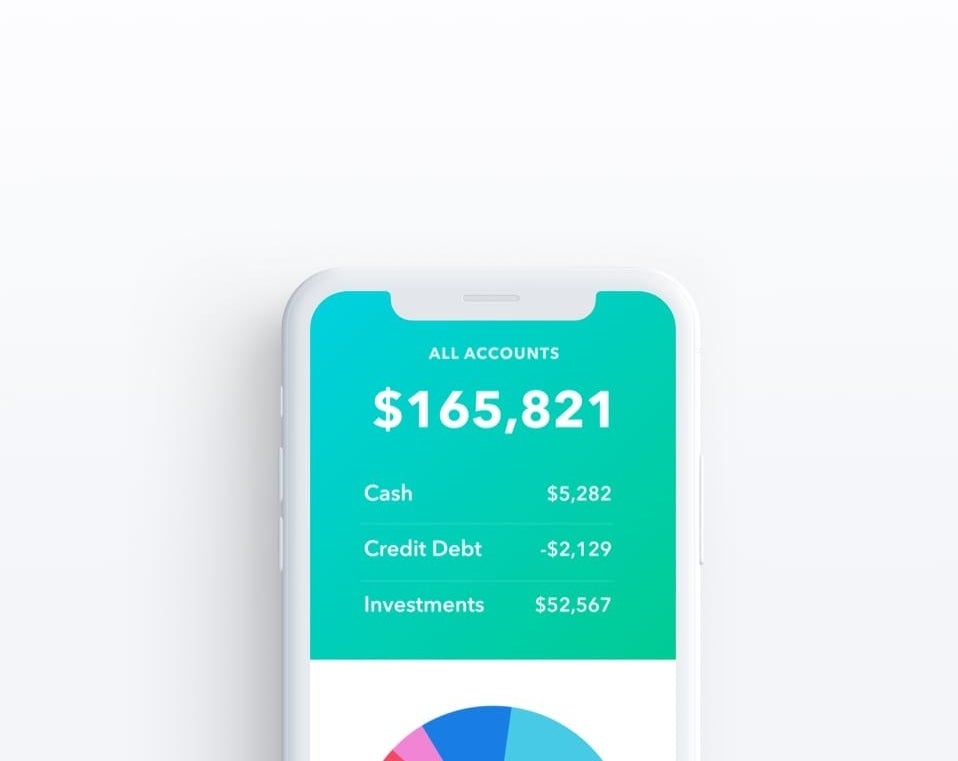
Fitness apps have transformed the way we approach health and wellness, merging technology with our daily routines to offer personalized guidance and support. These applications not only track workouts and nutrition but also provide users with valuable insights into their health metrics. As fitness app usage continues to rise, it’s essential to understand their significance and the impact they can have on achieving fitness goals.
With a plethora of features designed to enhance user experience, fitness apps have become indispensable tools for many. They allow for the tracking of essential data like calories burned, steps taken, and heart rate, making it easier for individuals to monitor their progress and adjust their routines accordingly. As we delve deeper into the world of fitness apps, we’ll explore what makes them effective, the challenges users face, and the future trends that promise to shape our fitness journeys even further.
The significance of fitness apps in modern health management
Fitness apps have revolutionized the way individuals manage their health and fitness routines. With the rapid advancement of technology, these apps have integrated seamlessly into daily life, making it easier for users to monitor and enhance their well-being. In a world that increasingly values health consciousness, fitness apps provide the tools necessary for people to take charge of their fitness journeys, promoting a proactive approach to health management.
The integration of technology into fitness management through apps allows users to establish consistent workout routines, track their progress, and achieve their fitness goals in an efficient manner. These applications often provide personalized workout plans, nutrition guidance, and reminders, forming a virtual personal trainer that is accessible anytime. The ability to sync with wearables like smartwatches and fitness bands adds another layer of convenience, enabling users to receive real-time data on their physical activities. This immediacy fosters a more engaged user experience, encouraging individuals to stay committed to their fitness goals.
Metrics and Data Tracked by Fitness Apps
Fitness apps track a variety of metrics and data that are crucial for users seeking to maintain or improve their health. Understanding these metrics enhances user engagement and aids in achieving fitness goals. The following are key metrics commonly monitored by fitness apps:
- Steps Taken: This basic yet vital metric encourages users to be more active throughout their day. The general recommendation is to aim for 10,000 steps daily, which promotes cardiovascular health and weight management.
- Calories Burned: Tracking calorie expenditure helps users better understand their energy balance. This data is essential for those looking to lose weight, as it guides calorie intake decisions.
- Heart Rate: Monitoring heart rate during workouts provides insights into cardiovascular fitness and helps users train within their target heart rate zones for optimal results.
- Sleep Patterns: Many apps now include sleep tracking features that analyze sleep quality and duration. Good sleep is essential for recovery and overall health, making this feature particularly valuable.
- Workout Duration and Intensity: Users can log their workouts and analyze the intensity levels, allowing for better planning of future sessions to maximize efficacy and avoid injuries.
The importance of these metrics cannot be overstated. Regular tracking enables users to set realistic goals, celebrate milestones, and maintain accountability. For instance, studies have shown that individuals who actively monitor their physical activity are more likely to meet their fitness objectives.
Recent statistics underscore the rapid rise of fitness app adoption. According to a report by *Statista*, the global fitness app market was valued at approximately $4 billion in 2020 and is projected to reach over $10 billion by 2026. This growth reflects the increasing reliance on digital tools for health and fitness management. Moreover, a survey conducted by *Fitness Trackers Daily* indicated that nearly 60% of users experienced improved motivation and adherence to their workout routines after using fitness apps. These figures illustrate the significant impact that technology has on health outcomes, marking a definitive shift in how fitness is approached. The enhancement of user motivation, coupled with data-driven insights, empowers individuals to make informed health choices, ultimately leading to better fitness results.
Key features that define a successful fitness app
In today’s fast-paced world, fitness apps have become essential tools for individuals looking to maintain or improve their health. A successful fitness app is not just about tracking workouts; it incorporates various features that motivate users and enhance their experience. The following features are vital in creating an engaging and effective fitness application.
Essential features of effective fitness applications
Fitness apps should include specific functionalities that cater to the diverse needs of users. Here are five essential features that define a successful fitness app:
- User-Friendly Interface: A clean, intuitive interface allows users to navigate the app effortlessly. An easy-to-use design can significantly enhance user experience, making it more likely that users will stick with the app over time.
- Tracking and Analytics: Effective fitness apps provide tools for tracking workouts, nutrition, and progress. This feature allows users to analyze their performance and make informed decisions about their fitness journey. Comprehensive analytics can include metrics like calories burned, distance traveled, and even heart rate variability.
- Personalization: By customizing workout plans and nutrition recommendations, fitness apps can cater to the specific goals, preferences, and fitness levels of users. Personalization is crucial as it fosters a sense of ownership and increases motivation.
- Social Features: Incorporating social elements, such as community challenges or the ability to share achievements with friends, enhances user engagement. Social features promote accountability and can lead to a more enjoyable experience as users feel connected to a community of like-minded individuals.
- Instructional Content: Access to instructional videos, workout guides, and expert advice can empower users to perform exercises correctly and safely. This feature is particularly beneficial for beginners who may require additional guidance in their fitness journey.
Impact of personalization in fitness apps
Personalization enhances user engagement and the overall effectiveness of fitness apps. By tailoring workouts and nutrition plans to individual user needs and preferences, apps can create a more relevant experience that resonates with users. This customization can lead to better adherence to fitness goals, as users are more likely to continue using an app that caters to their unique fitness journey.
For instance, some apps utilize AI to analyze user data and adjust fitness plans accordingly. This could involve changing workout intensity levels based on performance feedback or suggesting dietary modifications based on users’ weight loss goals. The more personalized the experience, the higher the likelihood that users will remain committed to their fitness routines.
Examples of popular fitness apps and standout features
Several fitness apps have made a significant impact in the industry by incorporating essential features and personalization. Here are a few noteworthy examples:
- MyFitnessPal: Known for its extensive food database and tracking capabilities, MyFitnessPal allows users to log meals and track their caloric intake while also offering personalized nutrition recommendations based on health goals.
- Strava: Popular among cyclists and runners, Strava combines GPS tracking with social networking features. Users can share their workouts, participate in challenges, and follow friends, making fitness a communal experience.
- Fitbod: Fitbod uses machine learning to generate personalized workout plans based on user goals, available equipment, and workout history. Its ability to adapt to fitness levels and progress sets it apart as a highly personalized fitness solution.
- Nike Training Club: This app offers a wide variety of workouts designed by professional trainers, with features that allow users to customize their training experience. Users can select workouts based on their goals, available time, and fitness level.
- Peloton: More than just a cycling app, Peloton provides access to a variety of live and on-demand fitness classes. The community aspect, which allows users to compete with others in real-time, enhances motivation and engagement.
The role of gamification in enhancing user experience within fitness apps
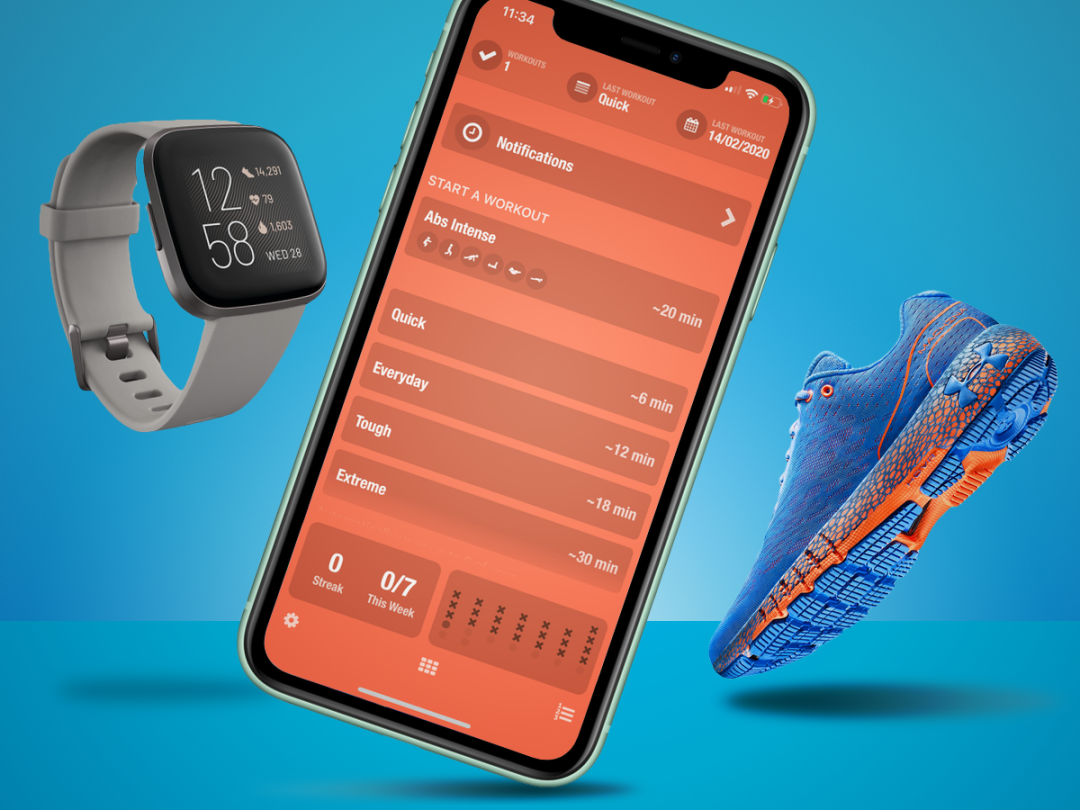
Gamification in fitness apps refers to the application of game-like elements to enhance user engagement and motivation. By incorporating aspects such as points, badges, leaderboards, and challenges, these apps transform the often monotonous task of exercising into an enjoyable and competitive experience. The relevance of gamification lies in its ability to motivate users to stick to their fitness routines and achieve their goals more effectively.
Gamification strategies have proven to be incredibly effective in encouraging users to adopt and maintain healthy habits. Successful fitness applications recognize that competition, rewards, and a sense of achievement can significantly boost user motivation. Below are some notable examples of gamification strategies utilized by various fitness apps:
Successful examples of gamification strategies
Many fitness apps have effectively implemented gamification to enhance user experience and drive engagement. One of the most popular examples is Strava, which uses segments and challenges to create a competitive atmosphere among users. Participants can compare their performance on specific routes or trails, earning virtual badges and recognition from the community.
Another great example is Fitbit, which incorporates daily challenges and allows users to compete with friends and family. Users can earn badges for milestones, such as completing a certain number of steps or achieving fitness goals.
MyFitnessPal takes a different approach by gamifying nutrition tracking. Users earn points for logging their meals and can unlock accomplishments as they achieve their dietary goals. This not only makes tracking fun but also encourages users to remain consistent with their dietary habits.
“Gamification transforms fitness into a challenge, making it more engaging and rewarding for users.”
Competition and community features fostering belonging
The community aspect of fitness apps is crucial for creating a sense of belonging among users. Features like social sharing, group challenges, and community forums allow users to connect with others who share similar fitness aspirations. This interaction fosters motivation and accountability, as users often feel encouraged by their peers.
For example, apps like Nike Training Club enable users to follow workouts together and share their progress on social media platforms. This not only amplifies enjoyment but also cultivates a supportive environment where users can celebrate each other’s achievements.
Moreover, the inclusion of leaderboards instills a healthy sense of competition. Users can see where they rank compared to their friends or the community at large, prompting them to push their limits and strive for improvement. This competitive spirit, combined with community support, enhances user experience and encourages long-term commitment to fitness goals.
Challenges faced by users when utilizing fitness apps
Fitness apps have revolutionized how individuals approach their health and fitness goals. Despite their advantages, users often encounter several challenges that can hinder their experience and progress. These obstacles can range from technical issues to motivational barriers, impacting the overall effectiveness of these applications.
One significant challenge that users face is the complexity of features available within the app. Many fitness applications boast an array of functions, such as workout tracking, nutrition logging, and social sharing capabilities. However, when these features are not intuitively organized, users may feel overwhelmed or confused, leading to decreased engagement and potential abandonment of the app altogether.
Obstacles encountered by users
Understanding the specific obstacles that users face can help in identifying effective solutions. Common challenges include:
- Technical glitches: Users often experience software bugs, crashes, or slow loading times, which can frustrate them and create a negative perception of the app.
- Complex user interfaces: A cluttered or unintuitive interface can make navigation difficult, discouraging users from fully utilizing the app’s features.
- Lack of personalization: Apps that fail to tailor recommendations to the user’s fitness level, goals, or preferences can lead to a disconnect, making the experience feel generic and unengaging.
- Inaccurate tracking: Users rely on the accuracy of data collected by fitness apps. Inaccurate tracking of workouts or calories can undermine trust and hinder user motivation.
- Limited social interaction: Many users enjoy sharing their progress and engaging with a community. Apps lacking social features may lead to feelings of isolation in their fitness journey.
The user interface and experience play a crucial role in either enhancing or hindering app utilization. A seamless and visually appealing design not only makes navigation easier but also encourages users to explore various features. Conversely, a poorly designed app can lead to frustration, making users less likely to return.
Effective user experience design can create a more engaging and accessible platform, ultimately increasing user retention and satisfaction.
App developers can address these challenges through several strategies. Prioritizing user feedback can provide valuable insights into pain points and desired features. Additionally, conducting usability testing during the development phase allows for the identification and resolution of potential issues before launch. Creating a balanced feature set that emphasizes simplicity and personalization can enhance user engagement and satisfaction, leading to a successful fitness application. By focusing on these areas, developers can better meet the needs of users and foster a more positive overall experience.
The future trends of fitness apps in the health and wellness industry
The fitness app industry is constantly evolving, driven by advancements in technology and changing user preferences. As we look ahead, it’s clear that the integration of innovative technologies will shape the way users engage with fitness applications. This segment explores emerging trends that are expected to revolutionize the health and wellness landscape, enhancing user experience and engagement.
Emerging trends in fitness app technology
Several trends are anticipated to dominate the fitness app landscape in the coming years. These advancements will significantly impact how users connect with their fitness journeys.
- Wearable technology integration: Fitness apps are increasingly integrating with wearable devices to provide real-time data, allowing users to track their progress more effectively. This synchronicity promotes a seamless user experience.
- Personalized fitness plans: Enhanced algorithms will enable apps to create tailored workout and nutrition plans based on individual user data, including fitness levels, health conditions, and preferences.
- Community-driven features: Social components, such as challenges and leaderboards, foster a sense of community, encouraging users to engage more actively with the app and each other.
Integration of AI and machine learning in fitness applications
Artificial Intelligence (AI) and machine learning are set to transform fitness apps by creating a more personalized and engaging user experience. These technologies can analyze user behavior and preferences, leading to smarter recommendations.
The use of AI in fitness apps can lead to a 30% increase in user retention by providing customized experiences.
- Smart coaching: AI-driven virtual coaches can offer real-time feedback and adjust workout routines based on performance metrics, ensuring users get the most out of their sessions.
- Predictive analytics: Machine learning can predict user engagement patterns, helping developers refine app features and improve user satisfaction.
- Enhanced user insights: Fitness apps can utilize AI to track long-term progress and health metrics, helping users stay motivated and informed about their fitness journey.
Potential for virtual reality and augmented reality in fitness apps
Virtual Reality (VR) and Augmented Reality (AR) technologies are emerging as game-changers in the fitness app sector. These immersive experiences can make workouts more engaging and enjoyable.
Studies show that users who experience VR workouts report up to 50% higher enjoyment levels compared to traditional workouts.
- Immersive workouts: VR can transport users to various environments, such as a tropical beach or a mountain trail, making exercise feel less like a chore and more like an adventure.
- Interactive training: AR can overlay digital information onto the real world, allowing users to receive real-time tips and encouragement during their workouts.
- Gamification: Combining fitness with gaming elements in AR or VR formats will enhance user engagement, making fitness routines more enjoyable and competitive.
How social features within fitness apps promote accountability and motivation
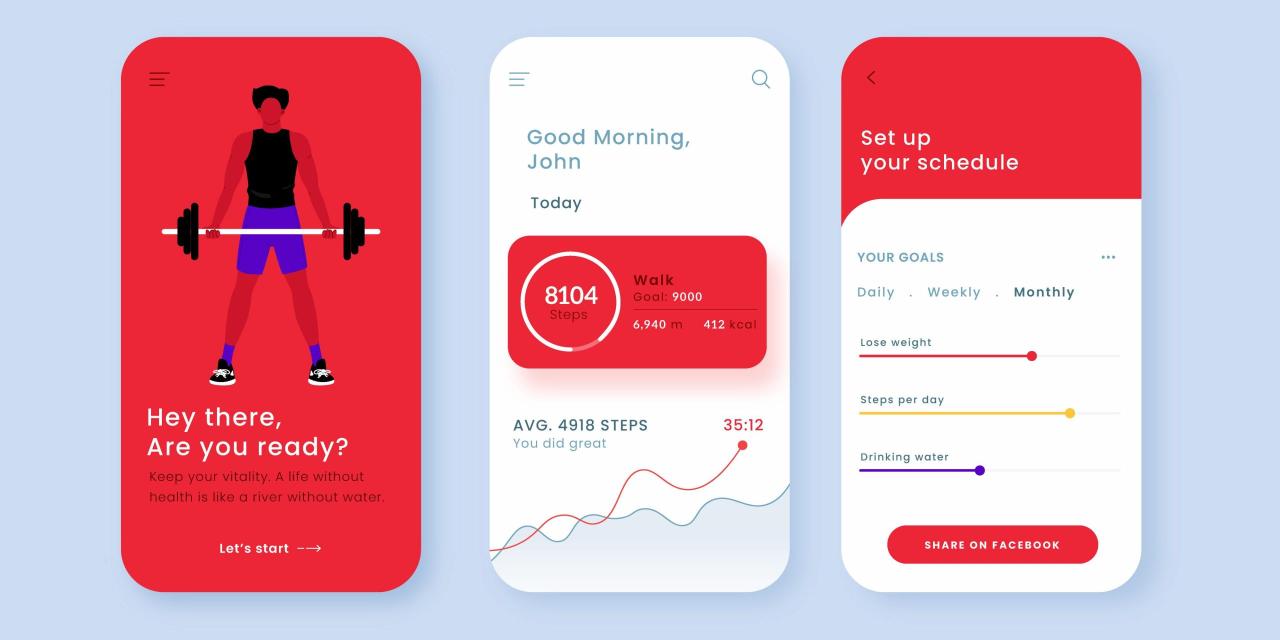
In today’s digital age, fitness apps have become powerful tools that not only track workouts but also foster a sense of community among users. By incorporating social features, these applications empower individuals to stay committed to their fitness goals through shared experiences and interactions. This collaborative approach not only enhances user engagement but also significantly boosts motivation levels.
Examples of social networking increasing user commitment
Fitness apps often integrate social networking elements that allow users to connect, share, and inspire one another. Examples of such features include:
- Friend Lists: Users can add friends within the app to share their progress, which creates a sense of camaraderie. Seeing friends’ workouts can motivate individuals to maintain or improve their own routines.
- Progress Sharing: Users have the option to post their achievements and milestones on their profiles or feeds. For example, someone finishing a 5K race can share their time and receive supportive comments, reinforcing their commitment to fitness.
- Leaderboards: Competitive features display rankings based on challenges or workouts completed. This not only fosters friendly competition but also encourages users to push their limits to climb the ranks.
Psychological aspects of sharing progress
The act of sharing fitness progress can significantly affect a user’s mindset. When individuals post updates about their workouts or transformations, they create accountability for themselves. This sharing not only serves as public affirmation of their efforts but also cultivates a supportive community where encouragement can flourish.
“Sharing progress invites positive reinforcement from peers, which can enhance self-efficacy and commitment to goals.”
This psychological aspect is crucial, as it taps into the human need for social validation. When users receive likes, comments, or supportive feedback, it boosts their confidence and motivates them to keep pushing forward.
Role of challenges and group activities in motivation
Fitness apps often introduce challenges and group activities that enhance user-driven motivation. Participating in these communal events can lead to several benefits:
- Group Challenges: Many apps host monthly or weekly challenges where users can join teams or compete against one another. This fosters accountability as participants encourage each other to complete workouts and reach milestones collectively.
- Virtual Classes: Group classes, whether live-streamed or recorded, allow users to train together, creating a shared experience that can be more enjoyable and less isolating.
- Achievement Badges: Completing specific challenges often comes with rewards such as badges or points. These achievements not only provide tangible goals but also enhance user engagement through a sense of accomplishment.
By offering these social and interactive features, fitness apps create a dynamic environment where users find motivation through community support, shared goals, and healthy competition. This ultimately leads to a more sustained commitment to their fitness journeys.
The importance of data privacy and security in fitness apps
In an age where personal data is frequently collected and shared, the importance of data privacy and security in fitness applications cannot be overstated. As users rely more on these apps to track their physical activities, nutrition, and even health metrics, the sensitivity of the data they share increases significantly. With this reliance comes the responsibility of both users to protect their information and developers to create secure platforms that prioritize user privacy.
Concerns about data privacy for users of fitness applications include the potential misuse of personal information, unauthorized data sharing with third parties, and the risks posed by data breaches. Fitness apps often collect a wide range of sensitive information, such as location data, health history, and biometric measurements. If this data falls into the wrong hands, it could lead to identity theft, discrimination, or even unwanted solicitations. Moreover, the implications of data privacy violations are not just personal; they can damage a company’s reputation and lead to legal repercussions.
Measures to Ensure User Data Security
Developers of fitness applications must implement robust security measures to safeguard user information. Effective strategies include:
– Data Encryption: Using strong encryption protocols to protect data both in transit and at rest ensures that even if data is intercepted, it remains unreadable to unauthorized users.
– Access Controls: Implementing strict access controls, including two-factor authentication, allows only authorized personnel access to sensitive user data, thereby minimizing the risk of internal breaches.
– Regular Security Audits: Conducting routine security audits helps identify vulnerabilities within the app. Frequent updates based on audit findings can significantly enhance security.
– Transparent Privacy Policies: Providing users with clear and concise privacy policies that explain what data is collected, how it is used, and who it is shared with builds trust and empowers users to make informed decisions.
– User Control Over Data: Allowing users to manage their data preferences, including opting out of data sharing, enhances user privacy and fosters a sense of control over personal information.
Comparison of Fitness Apps Based on Privacy Policies
Various fitness applications differ significantly in their privacy policies and user trust ratings. Analyzing these differences can help users choose a platform that aligns with their privacy expectations.
– MyFitnessPal: Known for its comprehensive nutrition tracking, MyFitnessPal has a transparent privacy policy that emphasizes data security. Users frequently rate it highly for its user-friendly approach to data management.
– Strava: While popular among athletes, Strava faced criticism over its privacy settings after inadvertently exposing the locations of secret military bases. This incident highlighted the need for stringent privacy measures, leading to updates in their policies.
– Fitbit: Fitbit prioritizes data security and provides detailed privacy settings. However, its acquisition by Google raised concerns among users about data sharing with a larger corporation, which could lead to less privacy.
– Nike Training Club: Nike takes user privacy seriously with comprehensive encryption measures. Its privacy policy is straightforward, earning it high user trust ratings among fitness enthusiasts.
“In today’s digital landscape, safeguarding user data is not just a choice; it’s a necessity for fitness app developers.”
Tips for selecting the right fitness app for individual needs
Choosing the right fitness app can be a game-changer in achieving your health and wellness goals. With a vast array of options available, it’s crucial to find an app that aligns with your specific needs and lifestyle. Whether you’re looking for guided workouts, nutrition tracking, or community support, understanding what factors to consider can significantly enhance your fitness journey.
When selecting a fitness app, it’s important to evaluate several factors to ensure it fits your individual preferences and goals. Consider the app’s features, user interface, and compatibility with your devices. Additionally, trial periods and user reviews play an essential role in helping you make an informed decision. Many apps offer free trials or a basic version, allowing you to explore their functionalities without a commitment. User reviews can provide valuable insights into the app’s effectiveness, usability, and overall satisfaction among the community.
Factors to consider when choosing a fitness app
Selecting a fitness app isn’t just about the latest features; it’s about finding a tool that truly supports your fitness journey. Here are some factors to keep in mind:
- Personal Goals: Identify your fitness goals, such as weight loss, muscle gain, or improved endurance. Look for apps that specialize in these areas.
- Features and Functionality: Evaluate the app’s features, such as workout plans, nutrition tracking, progress monitoring, and community engagement. Choose what aligns with your expectations.
- User Experience: Navigate the app to assess its layout, ease of use, and overall user interface. An intuitive design enhances your engagement.
- Integration with Wearables: If you use fitness trackers or smartwatches, check if the app easily syncs with these devices for a seamless experience.
- Cost: Examine the pricing model. Some apps are free with optional paid features, while others require a subscription. Determine what fits your budget.
Importance of trial periods and user reviews
Trial periods and user reviews are essential components in the app selection process. They allow potential users to explore functionalities and gauge satisfaction.
Trial periods provide a risk-free opportunity to experience an app’s features before committing financially.
Trial periods enable you to assess how well the app integrates into your routine and meets your expectations. Utilize this time to explore various aspects of the app, including workout customization and tracking capabilities.
User reviews act as a window into the experiences of current users. They often highlight strengths and weaknesses of the app, offering a glimpse into its reliability and effectiveness. Look for apps with positive feedback and constructive criticism to get a comprehensive view.
Checklist for evaluating fitness apps
To efficiently evaluate fitness apps, you can use the following checklist based on your personal goals and preferences:
- Define your fitness goals clearly.
- Research the app’s reputation through user reviews and expert opinions.
- Test the app during a trial period to evaluate usability and functionality.
- Ensure the app’s features align with your fitness objectives.
- Check for compatibility with your devices and any fitness wearables.
- Evaluate the app’s community features and support options.
- Consider the long-term cost and any hidden fees associated with upgrades.
Wrap-Up
In conclusion, fitness apps present a unique blend of technology and health management, offering users a dynamic way to engage with their fitness goals. As we continue to witness the evolution of these applications, their role in promoting accountability, community, and personalized experiences cannot be understated. By staying informed about the developments within this arena, users can make the most of the tools available to them, leading to healthier and more fulfilling lives.
Expert Answers
What should I look for in a fitness app?
Consider features like personalization, tracking capabilities, user interface, community support, and data privacy when selecting a fitness app.
Are fitness apps suitable for beginners?
Yes, many fitness apps cater specifically to beginners with guided workouts and easy-to-understand metrics.
Can fitness apps replace a personal trainer?
While they can provide valuable guidance and support, fitness apps may not completely replace the personalized attention of a trainer.
How can I ensure my data is secure on fitness apps?
Choose apps with strong privacy policies, encryption, and user control over data sharing to protect your information.
Do I need to pay for a good fitness app?
While many fitness apps offer free versions, premium subscriptions may provide additional features and personalized experiences.