Nutrition tracking app has become a game-changer for those keen on maintaining a healthy lifestyle. In an age where health consciousness is on the rise, these apps simplify the way we monitor our dietary habits and make informed choices. By logging meals and snacks, users gain insights into their nutritional intake, which can lead to significant improvements in overall well-being.
Moreover, nutrition tracking apps cater to diverse individuals with varying health goals, whether it’s weight loss, muscle gain, or simply maintaining a balanced diet. By offering tailored recommendations and tracking progress, these apps empower users to take control of their health and make adjustments that suit their personal needs.
The Importance of Nutrition Tracking for Health Conscious Individuals
Nutrition tracking plays a pivotal role in the journey towards maintaining a healthy lifestyle. For health-conscious individuals, understanding what goes into their bodies is vital for achieving their health goals. By keeping a comprehensive record of daily food and drink intake, individuals can gain insight into their nutritional habits, identify areas for improvement, and ultimately make informed decisions that can lead to enhanced physical and mental well-being.
Tracking one’s nutrition not only helps to establish a clearer picture of dietary habits, but it can also lead to significant improvements in overall health. For example, when individuals log their meals, they often become more aware of hidden sugars, unhealthy fats, and inadequate nutrient intake. This awareness encourages them to make healthier food choices and adopt better eating patterns. Research indicates that those who track their nutrition are more likely to consume a balanced diet, incorporate more fruits and vegetables, and reduce their intake of processed foods.
Benefits of Nutrition Tracking for Different Health Goals
Different individuals can experience distinct benefits from nutrition tracking based on their individual health goals. Here are a few examples that illustrate how varied nutrition tracking can be tailored to meet specific needs:
- Weight Loss: Individuals aiming to shed pounds can use nutrition tracking to monitor calorie intake and ensure they are in a caloric deficit. By logging foods, they can identify high-calorie items to limit and focus on more nutrient-dense options.
- Muscle Gain: For those looking to increase muscle mass, tracking protein consumption becomes essential. By ensuring they meet their daily protein requirements, individuals can facilitate muscle recovery and growth post-exercise.
- Managing Dietary Restrictions: Individuals with food allergies or intolerances can benefit from tracking by carefully monitoring ingredient labels and ensuring they do not consume allergens. This practice greatly reduces the risk of adverse reactions.
- Chronic Disease Management: People with conditions like diabetes can use nutrition tracking to manage carbohydrate intake effectively, helping to maintain stable blood sugar levels and prevent complications associated with the disease.
“Nutrition tracking is more than just counting calories; it’s about understanding the nutrients your body needs to thrive.”
Through personalized tracking methods, individuals can engage more deeply with their dietary habits, leading to improved health outcomes and a greater sense of empowerment regarding their nutritional choices.
Features to Look for in an Effective Nutrition Tracking App
When searching for a reliable nutrition tracking app, it’s crucial to consider specific features that can enhance your user experience and support your dietary goals. A good app should provide comprehensive tools for tracking various aspects of nutrition while being user-friendly and efficient. The following features are essential in ensuring that the app meets your needs and helps you achieve your health objectives.
Essential Features
An effective nutrition tracking app should include the following key features to ensure a seamless experience for users:
- Comprehensive Food Database: A robust food database enables users to easily find and log their meals. The best apps provide a vast collection of foods, including brand names, restaurant items, and nutritional details. This helps users track their intake accurately without the hassle of entering data manually.
- Barcode Scanner: A barcode scanner simplifies the process of logging food items. Users can easily scan packaged foods, and the app retrieves the nutritional information automatically. This feature saves time and enhances accuracy in tracking.
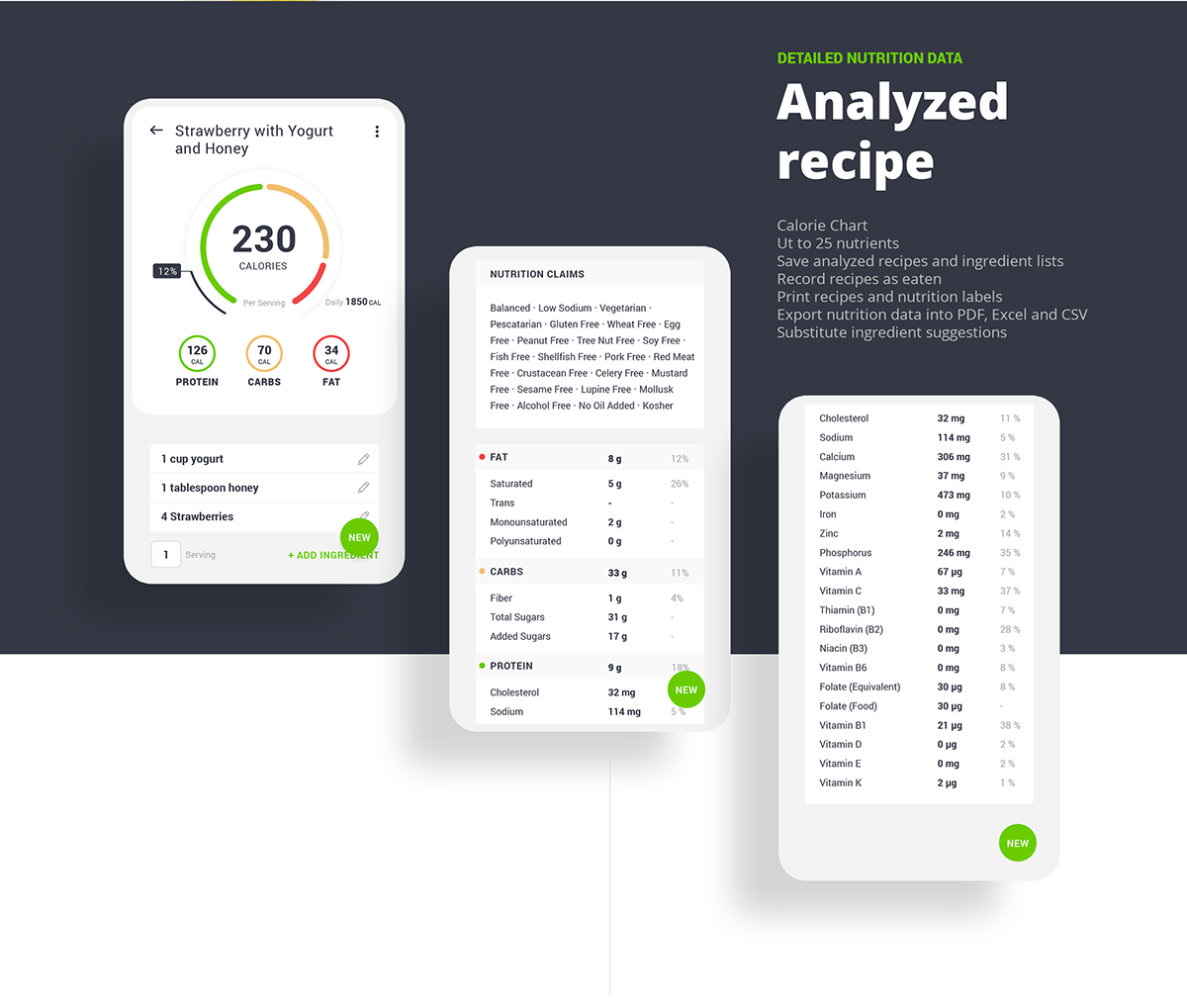
- Macro and Micronutrient Tracking: It is essential for a nutrition tracking app to allow users to monitor not just calories but also macronutrients like proteins, fats, and carbohydrates, as well as micronutrients such as vitamins and minerals. This feature helps users to maintain a balanced diet and achieve specific nutritional goals.
- Goal Setting: An effective app should enable users to set personalized dietary goals based on their health objectives, whether it’s weight loss, muscle gain, or maintaining a balanced diet. This feature allows users to stay focused and motivated on their journey.
- Integration with Wearable Devices: Compatibility with fitness trackers and smartwatches can enhance the functionality of nutrition tracking apps. This integration allows users to sync their activity data, providing a more comprehensive view of their health and wellness.
User Interface and Ease of Navigation
The user interface (UI) and navigation play a critical role in the overall experience of using a nutrition tracking app. A clean, intuitive layout allows users to find features and log their meals quickly and efficiently, which is vital for maintaining consistency in tracking. An app with a cluttered or confusing interface can lead to frustration, causing users to abandon their tracking efforts. A well-designed app should prioritize user experience by ensuring that all features are easily accessible and that users can navigate between different sections with minimal effort.
Significance of Data Accuracy
Data accuracy is paramount in nutrition tracking apps as it directly impacts user trust and satisfaction. When users input their meals, they rely on the app’s database to provide reliable nutritional information. Inaccurate data can lead to poor dietary choices and frustration, undermining the effectiveness of the app. A nutrition tracking app that regularly updates its database and verifies food information can significantly enhance user experience. For instance, apps that crowd-source data can benefit from user feedback to ensure more accurate information, thus fostering a community-driven approach to nutrition logging. Accurate data helps users make informed decisions about their diet, ultimately leading to better health outcomes.
Comparing Popular Nutrition Tracking Apps in the Market
Many individuals seek to enhance their health, fitness, and overall well-being through better nutrition, leading to the rise of nutrition tracking apps. These applications offer various features, making it easier for users to monitor their dietary intake, set goals, and maintain healthy habits. This comparison highlights three popular nutrition tracking apps, examining their unique offerings, pros and cons, and user feedback to guide potential users in making an informed choice.
Overview of Popular Nutrition Tracking Apps
In this section, we will discuss three widely recognized nutrition tracking apps: MyFitnessPal, Cronometer, and Lose It!. Each app has its strengths and weaknesses, catering to different user preferences and dietary needs.
| App Name | Unique Offerings | Pros | Cons |
|---|---|---|---|
| MyFitnessPal | Extensive food database and community support |
|
|
| Cronometer | Focus on micronutrient tracking |
|
|
| Lose It! | Goal-oriented tracking and challenges |
|
|
User feedback shows varying preferences, with MyFitnessPal being favored for its extensive database and community support, making it particularly useful for casual dieters. Cronometer is often praised for its in-depth nutrient tracking, ideal for those with specific dietary restrictions. Meanwhile, Lose It! attracts users who enjoy a more gamified approach to weight loss with its challenges and community engagement.
“Choosing the right nutrition tracking app can significantly impact your dietary success and overall health journey.”
The Science Behind Nutrition Tracking and Its Impact on Weight Management
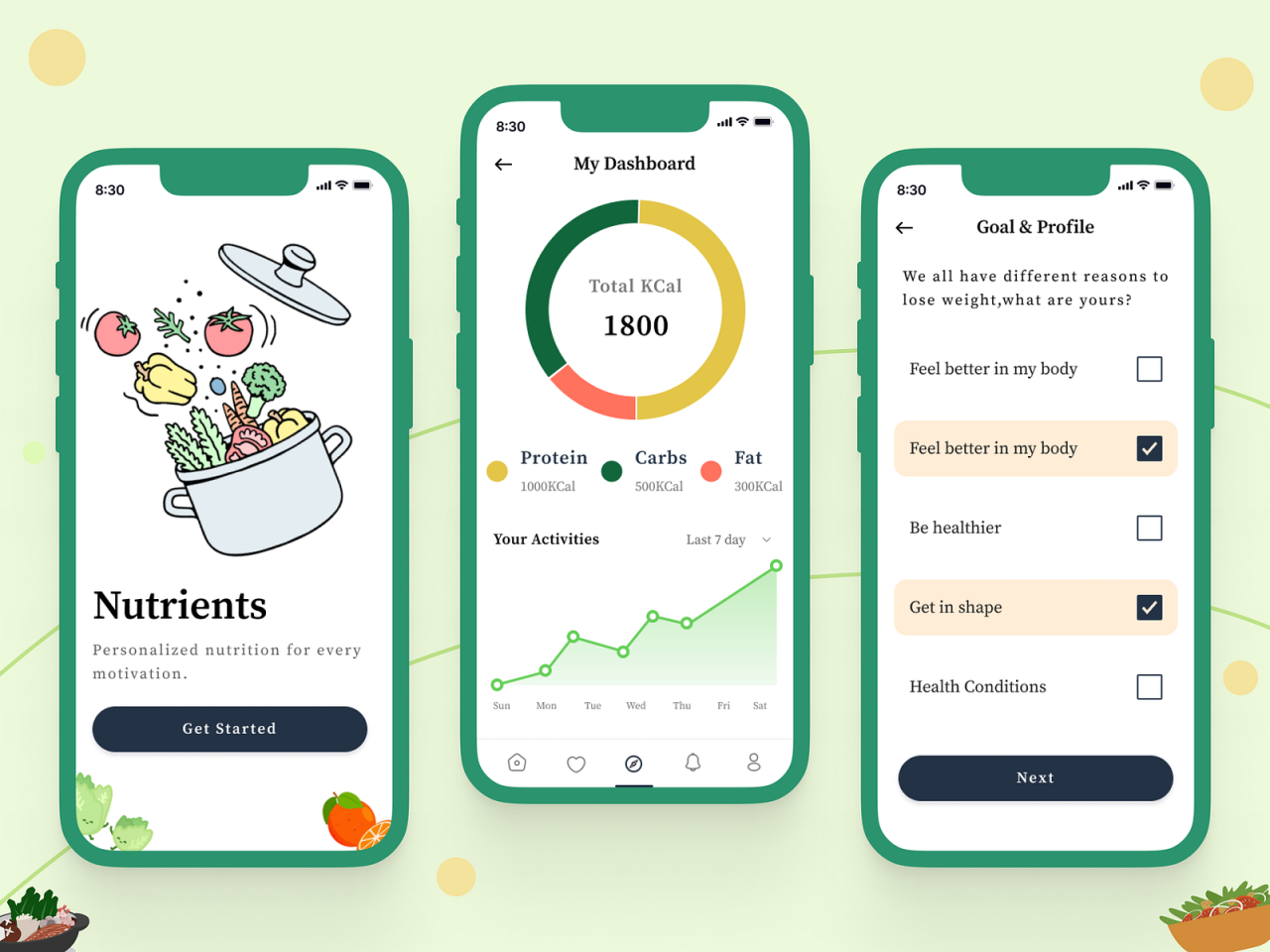
Nutrition tracking has emerged as a popular strategy for those looking to lose weight or maintain a healthy lifestyle. By systematically recording food intake, individuals gain insights into their dietary habits, which can lead to more informed choices and better overall health. This practice not only promotes awareness of caloric and nutritional intake but also encourages accountability, ultimately influencing a person’s weight management journey.
Research has shown that nutrition tracking can significantly affect both weight loss and maintenance. A study published in the journal “Obesity” indicated that individuals who consistently tracked their food intake lost more weight than those who did not. The participants utilizing tracking tools achieved a 50% higher weight loss over six months. This effectiveness is attributed to the heightened awareness of eating patterns and the ability to identify areas for improvement. When people visualize their consumption, they are more likely to adjust portions and food selections, thus facilitating their weight loss goals.
Behavioral Changes Induced by Tracking
The act of tracking food intake fosters several beneficial behavioral changes that can contribute to successful weight management. These changes manifest in various ways:
- Increased Mindfulness: Regular tracking encourages individuals to think critically about what they eat, promoting healthier choices.
- Portion Control: By logging food, people often become more aware of portion sizes, which may lead to reduced caloric intake.
- Goal Setting: Nutrition tracking allows individuals to set specific, measurable goals related to their dietary habits, making it easier to stay motivated.
- Enhanced Nutritional Knowledge: Tracking provides an opportunity to learn about the nutritional content of foods, fostering better decision-making in food choices.
- Improved Accountability: Sharing tracked information with others can create a sense of accountability, further motivating individuals to stick to their dietary plans.
The combination of these behavioral changes significantly enhances the likelihood of successful weight management. Furthermore, a meta-analysis published in the journal “American Journal of Preventive Medicine” confirmed that individuals who used food diaries or tracking apps were more likely to achieve their weight loss goals compared to those who did not. This evidence underscores the importance of nutrition tracking in creating sustainable dietary habits and achieving long-term success in weight management.
Challenges Users Face When Using Nutrition Tracking Apps
Nutrition tracking apps have become increasingly popular for those looking to manage their dietary habits, but users often encounter various challenges. These challenges can hinder the effectiveness of tracking and ultimately impact users’ health goals. Identifying these obstacles and creating strategies to overcome them is essential for achieving success with these tools.
One common issue users face is the complexity of accurately logging foods and portion sizes. Many apps require users to manually enter their meals, which can be time-consuming and prone to errors. Additionally, users may struggle with the vast array of food options and nutritional information, leading to confusion and frustration. To tackle this challenge, users can take advantage of features like barcode scanning or meal presets that many apps offer. These tools speed up the logging process and improve accuracy, making nutrition tracking more efficient.
Psychological Barriers to Self-Monitoring
Many individuals experience resistance to self-monitoring their food intake due to psychological factors. This reluctance can stem from previous negative experiences with dieting, fear of judgment, or the pressure to adhere to strict dietary guidelines. It’s crucial to understand these barriers to foster a more positive approach toward nutrition tracking.
One effective strategy to overcome these psychological hurdles is to set realistic and flexible goals. Instead of focusing solely on weight loss or strict calorie counts, users can shift their mindset to prioritize overall health, enjoyment of food, and gradual changes. Additionally, practicing self-compassion and reframing setbacks as learning opportunities can significantly improve users’ motivation and overall experience with tracking.
Furthermore, establishing a supportive social network can enhance accountability and encourage users to stay engaged with their nutrition journey. Sharing experiences with friends or joining online communities can provide both motivation and valuable insights, making the tracking process feel less isolating.
“Tracking should not feel like a punishment but rather a tool for empowerment and understanding.”
Integrating Nutrition Tracking Apps with Fitness Regimens
Nutrition tracking apps have become essential tools for individuals aiming for a healthier lifestyle, especially when integrated with fitness regimens. These apps not only help users monitor their food intake but also provide insights that can enhance their workout results. By combining nutritional awareness with exercise, users can achieve their health and fitness goals more effectively. This integration allows for a holistic approach to wellness, where users can optimize their energy levels, recovery, and overall performance.
Nutrition tracking apps complement fitness routines by enabling users to align their dietary habits with their exercise regimens. For instance, if someone is training for a marathon, they might set a goal to increase their carbohydrate intake to fuel long runs. The app can help users log their meals and ensure they consume adequate macronutrients. Moreover, users can set specific calorie targets based on their fitness objectives, whether it’s weight loss, muscle gain, or maintenance. By tracking both nutrition and fitness data, users can see a clearer picture of their progress and make informed adjustments.
Setting Goals that Align Nutrition and Exercise
Establishing goals that integrate nutrition with exercise is crucial for achieving desired results. When setting these goals, consider the following examples:
- Caloric Surplus for Muscle Gain: Individuals aiming to build muscle can set a goal of consuming 500 extra calories daily through protein-rich foods. This can be monitored using the nutrition app to ensure compliance.
- Hydration Goals: Users can set hydration goals that align with their workout schedules, such as drinking a specified amount of water before and after workouts. The nutrition app can send reminders to help users stay on track.
- Nutrient Timing: For athletes, timing is essential. Setting goals to consume specific nutrients post-workout, such as protein and carbs, can significantly aid recovery. Users can log these meals for tracking and accountability.
The importance of syncing data between fitness trackers and nutrition apps cannot be overstated. When these devices work in tandem, users can obtain a comprehensive overview of their health. Syncing data allows for accurate calorie expenditure tracking, which can then inform dietary choices. For example, if a fitness tracker shows an unusually high calorie burn during a workout, users can adjust their food intake accordingly to support recovery and energy levels. Syncing provides real-time feedback, making it easier for users to understand the relationship between their caloric intake and expenditure.
“The synergy of nutrition and exercise tracking leads to informed decisions and optimal performance.”
The Role of Community and Social Features in Nutrition Tracking Apps
In the digital age, community engagement has transformed how individuals approach health and wellness. Nutrition tracking apps leverage this engagement by creating supportive environments where users can interact, share, and motivate one another. The social features integrated within these apps play a crucial role in enhancing user experience and effectiveness in reaching dietary goals.
Community engagement within nutrition tracking apps fosters motivation through various interactive elements. When users connect with others who share similar health goals, they often find the encouragement they need to stay on track. The ability to track progress publicly can create a sense of belonging and support. Users are more likely to achieve their health goals when they feel part of a community, as it adds a layer of accountability.
Impact of Sharing Progress and Recipe Ideas
Sharing progress and culinary creations within the app can significantly enhance the user experience. Not only does this promote positive reinforcement, but it also opens avenues for learning and discovery among users. The exchange of ideas and experiences fosters a culture of support and innovation. Here are some benefits of sharing within the community:
- Inspiration from Others: Users can draw inspiration from the achievements and challenges faced by others, motivating them to persist in their journey.
- Access to Diverse Recipes: Sharing recipes creates a collaborative space where users can explore new meal ideas, enriching their dietary habits.
- Building Relationships: Engaging with fellow users allows individuals to form connections, which can enhance their commitment to healthy eating.
- Encouragement Through Challenges: Users who share their struggles often receive encouragement and advice, aiding in overcoming obstacles.
Role of Social Features in Accountability and Retention Rates
Social features in nutrition tracking apps serve as a powerful tool for maintaining accountability among users. When individuals know their progress is visible to peers, they are more likely to adhere to their nutritional goals. Here’s how these features can influence user retention:
- Regular Check-ins: Features that allow for regular updates and tracking encourage users to consistently engage with the app.
- Community Challenges: Apps that facilitate group challenges can propel users to push their limits and stay motivated.
- Feedback Mechanisms: Receiving feedback from peers on posts or achievements fosters a continuous loop of motivation.
- Gamification: Integrating elements like badges and rewards for participation can increase users’ commitment to the app.
“The sense of community within nutrition tracking apps not only boosts motivation but also significantly enhances user retention.”
The integration of social features in nutrition tracking apps not only cultivates a supportive environment but also directly contributes to the accountability and success of users in their health journeys. By leveraging community engagement, these apps transform individual efforts into collective achievements.
Future Trends in Nutrition Tracking Technology
As we look ahead, the landscape of nutrition tracking technology is set for significant transformations. With the rapid advancement of digital technologies, we are witnessing the emergence of innovative tools and methods that will not only enhance user experience but also provide deeper insights into personal health and nutrition. These advancements are driven by a combination of artificial intelligence, wearable technology, and the growing importance of data analytics in health and wellness.
Artificial Intelligence in Personalizing Nutrition Tracking
Artificial intelligence (AI) is revolutionizing the nutrition tracking sector by enabling the personalization of dietary recommendations based on individual preferences, goals, and health conditions. By utilizing machine learning algorithms, AI can analyze vast amounts of data to uncover patterns that are unique to each user. This data-driven approach allows for more tailored insights that go beyond generic dietary advice.
For instance, AI can assess a user’s dietary history, preferences, and even their genetic makeup to suggest meal plans and food choices that optimize health outcomes. Imagine an app that learns your eating habits over time. If it notices you struggle with high blood sugar levels, it could recommend specific foods to help stabilize your glucose, or suggest recipes that focus on low-glycemic ingredients.
Furthermore, AI can provide real-time feedback as users log their meals, offering suggestions that align with their nutritional goals. This could include alerts when a user is about to consume too much sodium or reminders to add more fruits and vegetables to their diet.
The ability to integrate AI with wearable devices adds another layer of personalization. Devices that monitor biometric data, such as heart rate or blood glucose levels, can share real-time information with nutrition apps. Consequently, if a user exercises more than usual, the app could adjust their caloric needs and suggest higher-energy foods accordingly.
A significant aspect of this personalized approach hinges on the ethical considerations of user data and privacy. As nutrition tracking apps gather extensive personal information, they must ensure that this data is protected and used responsibly. Transparency about data usage, obtaining informed consent, and securing data against breaches are vital. Users should have control over what information is shared, as well as the option to opt out.
In summary, the integration of AI in nutrition tracking presents exciting possibilities for personalized health management, but it must be balanced with a strong commitment to ethical data handling.
Ultimate Conclusion
In conclusion, nutrition tracking apps are invaluable tools that can significantly enhance one’s health journey. From providing precise data to fostering community engagement, these applications offer a comprehensive approach to nutrition management. As users become more aware and educated about their dietary choices, the impact on their health can be transformative, encouraging a more proactive stance towards well-being.
Detailed FAQs
What types of food can I track with a nutrition tracking app?
Most nutrition tracking apps allow you to track a wide variety of foods, including fresh produce, packaged snacks, and restaurant meals, often with barcode scanning features for convenience.
Are nutrition tracking apps suitable for everyone?
Yes, while primarily beneficial for health-conscious individuals, anyone looking to improve their eating habits can find value in using a nutrition tracking app.
Can I use a nutrition tracking app offline?
Many nutrition tracking apps offer offline capabilities, allowing you to log meals without an internet connection, though syncing with your account may require online access later.
How do I stay motivated while using a nutrition tracking app?
Staying motivated can be achieved by setting achievable goals, joining community challenges within the app, and regularly reviewing your progress to celebrate milestones.
Are there subscription fees for nutrition tracking apps?
Some apps are free with limited features, while others offer premium subscriptions for advanced functionalities, such as personalized meal plans and enhanced tracking tools.