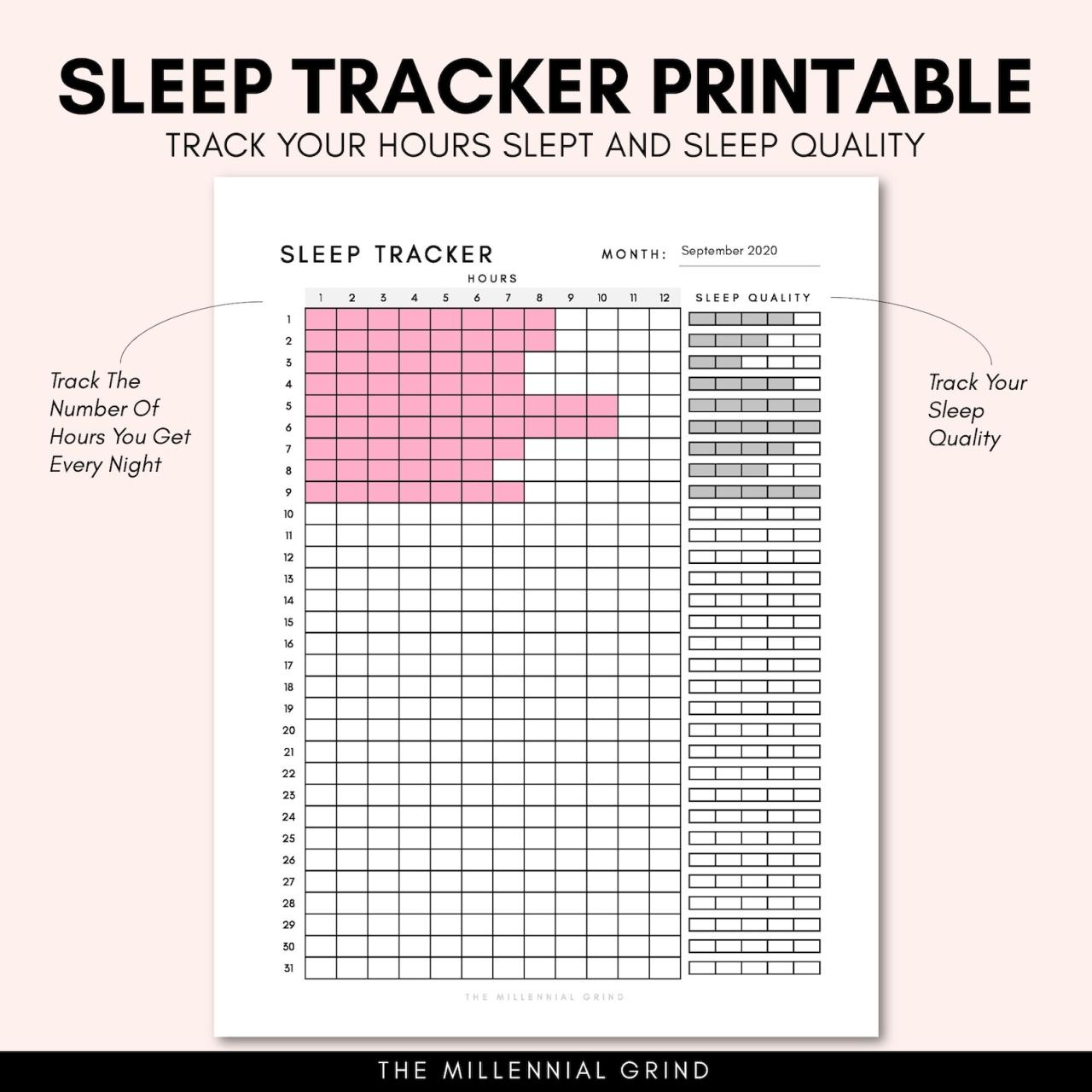
Sleep tracker technology has revolutionized how we understand and monitor our sleep patterns, offering valuable insights into our nightly rest. In a world where sleep often takes a backseat to busy schedules and stress, these devices serve as a crucial reminder of its importance for both physical and mental health.
By tracking sleep duration, cycles, and quality, sleep trackers empower users to make informed adjustments to their sleep habits. From combating sleep disorders to enhancing daily functioning, understanding sleep becomes an attainable goal with the help of these innovative tools.
The Importance of Sleep in Overall Health
Sleep is a fundamental aspect of human life that directly influences both physical and mental well-being. It serves not only as a period of rest but also as an essential time for the body to repair, rejuvenate, and prepare for the day ahead. Adequate sleep is crucial for maintaining various bodily functions, including immune response, cognitive performance, and emotional regulation. In fact, achieving a good night’s sleep can enhance mood, improve memory, and promote productivity, while lack of sleep can lead to significant negative outcomes in various areas of life.
The role of sleep extends far beyond mere rest; it is a complex biological process that plays a vital role in sustaining physical health as well. During sleep, the body engages in processes that strengthen the immune system, regulate hormones, and support cardiovascular health. For instance, studies have shown that people who consistently obtain less than the recommended seven to nine hours of sleep per night are at a higher risk of developing chronic diseases such as obesity, diabetes, and heart disease. Additionally, the brain performs critical functions during sleep, including consolidating memories and clearing out toxins that build up during wakefulness. This essential nightly cleanse helps maintain cognitive clarity and emotional stability, making it clear that sleep is not just a luxury, but a necessity.
Impact of Inadequate Sleep on Daily Functioning and Long-Term Health
Inadequate sleep can severely affect daily functioning. Individuals who suffer from sleep deprivation often experience fatigue, diminished alertness, and reduced concentration. This can result in poorer performance at work or school, and an increased likelihood of accidents or errors. For example, studies have found that drowsy driving can be as dangerous as driving under the influence of alcohol.
Moreover, chronic sleep deprivation can lead to various mental health issues such as anxiety, depression, and increased stress levels. It is also linked to cognitive decline and may exacerbate symptoms in individuals with existing mental health conditions. The relationship between sleep and health is further highlighted by common sleep disorders, which can significantly disrupt quality of life. Disorders such as insomnia, sleep apnea, and restless leg syndrome not only hinder the ability to obtain restorative sleep but can also contribute to serious health complications over time. Insomnia, for instance, can lead to chronic fatigue and increased susceptibility to illnesses, while sleep apnea can result in cardiovascular problems due to repeated interruptions in breathing during sleep.
Recognizing the importance of healthy sleep patterns is therefore crucial for overall well-being. Taking proactive steps to improve sleep hygiene, such as maintaining a consistent sleep schedule and creating a restful environment, can yield substantial benefits for both short- and long-term health outcomes.
Understanding How Sleep Trackers Work
Sleep trackers have gained popularity as tools for monitoring and improving sleep quality. By using various technologies, these devices provide insights into sleep patterns and habits, enabling users to understand their sleep behavior better. This understanding can lead to healthier sleep practices, ultimately contributing to overall well-being.
The technology behind sleep trackers generally revolves around sensors that collect data related to sleep stages, heart rate, movement, and even environmental factors like light and temperature. Most devices utilize a combination of accelerometers, heart rate monitors, and sometimes even electroencephalography (EEG) to assess the quality and quantity of sleep. Accelerometers detect movement during sleep, which helps differentiate between light and deep sleep phases. Heart rate monitors track heart rhythms, providing further context about the body’s state while sleeping. More advanced devices can interpret brain activity through EEG signals, offering a more detailed analysis of sleep stages.
Methods of Monitoring Sleep Patterns
Different sleep trackers employ various methods to monitor sleep patterns, each offering unique advantages. Here are the prominent techniques:
- Accelerometer-based Monitoring: Most common in fitness trackers, this method uses motion sensors to record body movements during sleep. Minimal movement indicates deeper sleep, while increased activity may suggest restless or lighter sleep stages.
- Heart Rate Monitoring: By tracking heart rate variability, these devices can determine sleep stages. For instance, a lower heart rate is generally associated with deeper sleep, while variations can indicate lighter sleep or wakefulness.
- Electroencephalography (EEG): Some sophisticated sleep trackers utilize EEG technology to measure electrical activity in the brain. This level of detail provides insights into sleep cycles and quality, distinguishing between REM, light, and deep sleep.
- Environmental Sensors: These devices may include sensors that monitor ambient light, temperature, and noise levels. Analyzing these factors can help users understand how their environment influences their sleep quality.
Types of Sleep Trackers
Sleep trackers come in various forms, catering to different preferences and needs. Understanding the types available on the market can help individuals choose the right device for their lifestyle.
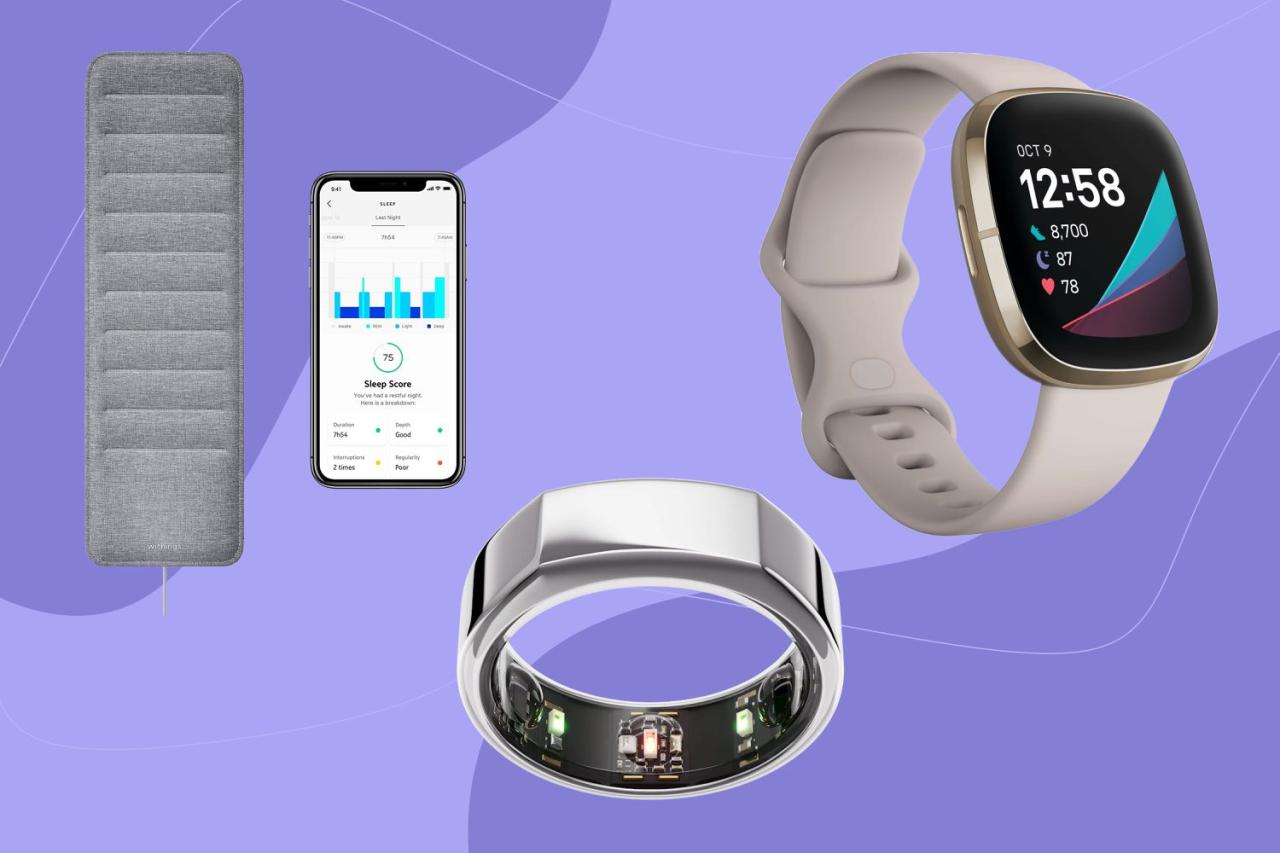
Wearable devices are among the most popular options, designed to be worn on the wrist, like a watch or fitness band. These devices often combine heart rate monitoring and accelerometer technology. Examples include Fitbit, Apple Watch, and Garmin devices, which not only track sleep but also offer fitness and health tracking features.
Non-wearable options are also available and tend to be more innovative in design. Some examples include:
- Under-Mattress Sensors: These devices are placed under the mattress and track movement and heart rate without requiring any contact with the user. They can provide comprehensive sleep analytics while remaining unobtrusive.
- Sleep Apps: Many smartphone applications can use built-in sensors to monitor sleep patterns. By placing the phone next to the pillow, users can use the app to track sleep cycles and receive personalized insights.
- Smart Home Devices: Some smart home systems integrate sleep tracking capabilities, using voice assistants or environmental sensors to monitor sleep conditions and habits.
Sleep trackers provide valuable insights into sleep quality and patterns. By utilizing advanced technology and various monitoring methods, these devices can cater to individual needs and preferences, ultimately promoting better sleep and wellness practices.
Benefits of Using a Sleep Tracker for Improved Sleep Quality
Using a sleep tracker can significantly enhance your sleep quality by providing valuable insights into your sleeping habits. These devices offer a range of features designed to monitor your sleep patterns, helping you understand how well you rest. With the growing prevalence of sleep disorders, utilizing a sleep tracker can be a game-changer for those looking to improve their overall well-being. It’s not just about counting hours; it’s about understanding the quality of sleep you are getting.
By tracking your sleep, you become aware of your sleep cycles, how long you spend in each phase, and any disturbances that may occur throughout the night. This information allows you to identify patterns and make informed adjustments to your bedtime routines or sleep environments. People who have incorporated sleep trackers into their lives often report feeling more rested and alert during the day. For instance, one user shared, “After a month of tracking my sleep, I discovered I wasn’t getting enough REM sleep. Once I adjusted my bedtime, I noticed a huge improvement in my energy levels.”
Key Features of Sleep Trackers That Enhance Sleep Quality
Understanding the features of sleep trackers can help you utilize them effectively. Below are some essential attributes that contribute to better sleep quality:
- Sleep Cycle Monitoring: This feature allows the tracker to analyze your sleep stages, providing insights into deep sleep, REM, and light sleep phases. Knowing your sleep cycles can help you wake up during lighter sleep, leading to a more refreshed feeling.
- Smart Alarm: Many trackers come with a smart alarm that wakes you up during the lightest sleep phase within a designated time window, minimizing grogginess.
- Sleep Score: A cumulative score that evaluates your sleep quality based on several metrics, helping you understand how well you slept and where improvements can be made.
- Environment Monitoring: Certain trackers assess environmental factors like room temperature and noise levels, allowing you to optimize your sleep setting.
- Heart Rate Monitoring: Tracking your heart rate during sleep can provide insights into stress levels and overall health, helping you make more informed choices about your lifestyle.
- Sleep Insights and Recommendations: Many trackers offer personalized insights and suggestions based on your sleep data, guiding you towards better sleep hygiene practices.
Comparing Different Sleep Tracker Brands and Features
Selecting the right sleep tracker can significantly enhance your sleep quality by offering valuable insights into your sleeping patterns. With numerous brands on the market, it can be challenging to determine which one best suits your needs. This comparative analysis will focus on four popular sleep tracker brands, highlighting their main features, pricing, and user feedback to assist potential buyers in making informed decisions.
Overview of Popular Sleep Tracker Brands
Understanding the various features offered by different sleep tracker brands is crucial for choosing the right device. Below is a comparative table that Artikels the key features and price points of four leading sleep tracker brands:
| Brand | Main Features | Price Range |
|---|---|---|
| Fitbit | Sleep stages tracking, heart rate monitoring, Smart Wake, sleep insights | $69.95 – $249.95 |
| Withings Sleep | Sleep cycle analysis, snore detection, heart rate, sleep score | $99.95 |
| Garmin | Sleep score, body battery, sleep stages, heart rate variability | $199.99 – $699.99 |
| Oura Ring | Sleep tracking, heart rate, body temperature, activity tracking | $299.00 |
The comparison above provides an overview of what each brand offers. Now, let’s delve deeper into the pros and cons of each brand to better understand their strengths and weaknesses.
Fitbit is well-known for its comprehensive sleep tracking features, including sleep stage monitoring and heart rate tracking. Users appreciate the user-friendly interface and app, which provides detailed sleep insights and suggestions for improvement. However, some users have reported issues with battery life, particularly with older models, and the accuracy of sleep data can vary.
Withings Sleep is praised for its advanced sleep analysis capabilities, including snore detection and a detailed sleep score. The device is sleek and unobtrusive, making it easy to use without disrupting your sleep. However, it requires a smartphone to access its full range of features, which may be a downside for some users. Additionally, the lack of a wearable aspect may deter those who prefer wrist-based devices.
Garmin sleep trackers offer robust features, including sleep score and heart rate variability, which are excellent for fitness enthusiasts. Their devices are often integrated with other fitness tracking capabilities. However, Garmin’s sleep trackers tend to be on the higher end of the price spectrum, which may not be affordable for everyone. Furthermore, the complexity of the features may overwhelm users who seek a straightforward tracking solution.
Oura Ring stands out for its unique design and comprehensive tracking of sleep, activity, and overall health metrics. Users have praised its accuracy and the elegant design that does not feel bulky when worn at night. The main drawback is its price point, which is higher than many competitors. Additionally, some users express concerns about the battery life and the need for a subscription for advanced features.
User ratings and reviews across these brands highlight a general satisfaction with functionality and ease of use, though experiences can vary based on individual preferences and needs. For those seeking a balance between functionality and price, Fitbit and Withings appear to be favored choices, while Garmin and Oura Ring cater more towards users looking for advanced features and designs. Ultimately, potential buyers should consider their personal preferences and budget when selecting a sleep tracker.
How to Interpret Sleep Tracker Data Effectively
Understanding the data provided by sleep trackers is crucial for optimizing your sleep quality and overall well-being. Sleep trackers offer various metrics that can help you assess your sleep patterns, pinpoint areas for improvement, and make lifestyle changes that promote better rest. By learning how to read and interpret these metrics, you can transform your nightly habits into a more restorative experience.
Sleep trackers collect and analyze several key metrics, including sleep duration, sleep cycles, and sleep quality scores. Sleep duration measures the total amount of time you spend asleep during the night. This metric gives you a clear picture of how much sleep you’re getting compared to the recommended 7-9 hours for adults. Sleep cycles break down your night into stages: light sleep, deep sleep, and REM (rapid eye movement) sleep. Each cycle lasts about 90 minutes, and understanding how much time you spend in each stage can help you identify if you’re getting restorative sleep or waking up during lighter sleep stages.
The sleep quality score is a more holistic measure, often derived from various data points, including duration, cycles, and how often you wake up during the night. A low sleep quality score could indicate disruptions, such as stress or an uncomfortable sleeping environment.
To effectively utilize this data for lifestyle changes, consider these key steps:
Utilizing Sleep Tracker Data for Lifestyle Changes
The insights gained from your sleep tracker can inform meaningful changes in your daily habits. Here are some common adjustments that can lead to improved sleep quality:
- Adjust Sleep Schedule: If your data shows you are consistently getting less than the recommended sleep duration, consider going to bed earlier or waking up later on days you can afford it.
- Optimize Sleep Environment: If you notice frequent interruptions, assess your sleeping environment. Factors like room temperature, noise levels, and mattress quality can significantly impact sleep quality.
- Limit Screen Time: If your tracker shows reduced REM sleep, consider reducing screen time before bed. The blue light emitted by screens can disrupt melatonin production, affecting sleep quality.
- Incorporate Relaxation Techniques: If your sleep data indicates a high number of wake-ups, try integrating relaxation techniques like meditation or gentle yoga into your evening routine.
- Track Caffeine and Alcohol Intake: If you notice negative patterns in your sleep after consuming caffeine or alcohol, adjust your intake to see if your sleep improves.
“Monitoring sleep patterns and making informed changes can lead to significant improvements in overall health and well-being.”
By translating the data from your sleep tracker into actionable lifestyle changes, you can enhance not only your sleep quality but also your overall health, leading to greater productivity and happiness in your daily life.
Integrating Sleep Trackers with Other Health and Fitness Apps
The integration of sleep trackers with health and fitness applications provides a holistic view of an individual’s wellbeing. By syncing sleep data with physical activity and nutrition tracking, users can gain insights into how their lifestyle choices impact their sleep quality and overall health. This synergy between various health metrics empowers users to make informed decisions about their daily routines, ultimately leading to better health outcomes.
Integrating sleep tracking data with other health and fitness applications allows users to observe how their sleeping patterns correlate with their physical activities and dietary choices. This comprehensive approach enables a more detailed analysis of lifestyle impacts on sleep quality. For instance, data from a sleep tracker can indicate whether a lack of sleep affects workout performance or if certain dietary habits lead to restless nights.
Benefits of Integrating Sleep Data with Physical Activity and Nutrition Tracking
The synchronization of sleep data with fitness and nutrition apps offers several key benefits that enhance both understanding and performance. Here are some notable advantages to consider:
- Improved Performance Monitoring: Integrating sleep data helps users correlate their sleep quality with workout performance. Studies have shown that athletes who prioritize sleep often experience enhanced recovery and improved performance metrics.
- Personalized Insights: By examining trends between sleep, diet, and activity, users can tailor their routines to optimize their health. For example, they may notice that certain foods consumed before bedtime disrupt their sleep patterns, prompting dietary adjustments.
- Holistic Health Tracking: Gaining a complete picture of health allows for a better understanding of the complex interactions between sleep, exercise, and nutrition. This integration can highlight areas needing attention, such as sleep hygiene or nutrition timing.
- Behavioral Change Facilitation: With clear data connections, users are more likely to make lifestyle changes. For instance, recognizing that more active days lead to better sleep can motivate users to maintain their exercise routines.
Several popular applications effectively work in conjunction with sleep trackers, enhancing the user experience.
Examples of Apps That Work with Sleep Trackers
Numerous applications cater to the integration of sleep tracking and fitness or nutrition monitoring. Here are a few noteworthy examples:
- MyFitnessPal: This nutrition tracking app allows users to log their meals while providing insights into how their food intake impacts their sleep quality. Users can see patterns between their dietary habits and sleep data gleaned from synced sleep trackers.
- Fitbit: The Fitbit app not only tracks physical activity but also incorporates sleep data from Fitbit devices. Users can view their daily activity levels alongside their sleep quality to understand how exercise affects their nights.
- Apple Health: This comprehensive health app collects data from various sources, including sleep trackers, fitness apps, and nutrition logs. It provides users with an aggregated view of their health, making it easier to identify trends and correlations.
- Google Fit: Similar to Apple Health, Google Fit aggregates data from multiple sources, including sleep trackers. Users can monitor how physical activity and sleep interact within the app, promoting a balanced lifestyle.
By integrating sleep data with health and fitness applications, users can unlock deeper insights into their overall well-being. This interconnected approach not only enhances individual health management but encourages a more proactive stance towards achieving a balanced lifestyle.
Addressing Privacy Concerns Related to Sleep Trackers
As the popularity of sleep trackers continues to rise, so do the concerns surrounding the privacy of the data these devices collect. Sleep trackers, whether standalone devices or apps integrated into smartphones, provide valuable insights into users’ sleep patterns, durations, and overall sleep quality. However, as with any technology that collects personal information, it is important to consider how this data is stored, used, and shared.
The data collected by sleep trackers can include sensitive information such as sleep duration, heart rate, and even sleeping habits, which can reveal a lot about a person’s lifestyle and health. Many users may not fully understand the extent of data collection and the potential risks involved. Companies that produce these devices often collect data for purposes like improving product functionality, offering personalized recommendations, or even for research purposes. However, without stringent data protection measures, this information could potentially be exploited.
Data Protection Measures by Companies
To address privacy concerns, reputable companies implement various measures to protect user data. It is essential for users to be aware of these protocols and what to look for when choosing a sleep tracker. Here are key aspects of data protection:
1. Data Encryption: Most companies employ strong encryption methods to protect data both in transit and at rest. This means that data sent from the device to the cloud is scrambled, making it difficult for unauthorized parties to access.
2. Anonymization of Data: Many companies anonymize the data they collect. By removing personal identifiers, they can still analyze trends and patterns without compromising individual privacy.
3. User Control Over Data: Users often have the option to manage their data, including the ability to delete their information or opt-out of data sharing. Understanding these options is crucial for maintaining privacy.
4. Regular Security Audits: Reputable companies conduct regular security audits to identify vulnerabilities and strengthen their data protection systems.
5. Transparency Policies: Clear privacy policies that Artikel how data is collected, stored, and used help users make informed decisions about their data.
To further safeguard personal information, users can take several proactive steps. Awareness and knowledge of privacy settings are crucial. Users should familiarize themselves with the privacy settings of their devices and apps, ensuring they limit data sharing to what they are comfortable with. Additionally, using unique passwords and enabling two-factor authentication can significantly enhance account security.
Moreover, being selective about the apps and devices used is also critical. Users should consider opting for devices from companies with strong reputations for data security and positive reviews from other users regarding their privacy practices. Regularly updating devices and apps can protect against vulnerabilities that may be exploited by cyber threats.
By taking these measures and understanding how sleep tracker companies manage privacy, users can enjoy the benefits of tracking their sleep while minimizing risks associated with data collection.
Future Trends in Sleep Tracking Technology
As the understanding of sleep science deepens, the technology surrounding sleep tracking is rapidly evolving. Sleep trackers have transitioned from basic devices that monitor sleep duration to sophisticated systems that analyze various physiological signals. With the integration of artificial intelligence, wearable technology, and advancements in data analytics, the future of sleep tracking holds significant promise for enhancing sleep quality and overall health.
Emerging technologies in sleep tracking are making way for more personalized and accurate insights into sleep patterns. Wearable devices equipped with advanced sensors can now monitor heart rate variability, respiration rate, and even blood oxygen levels while users sleep. These innovations allow for a comprehensive analysis of sleep stages, including REM sleep, deep sleep, and light sleep. Furthermore, the combination of machine learning algorithms with these data points enables devices to provide tailored recommendations for improving sleep quality based on individual user patterns and habits.
Advancements in Sleep Monitoring and Analysis
The potential advancements in sleep tracking technology can be categorized into several key areas that are likely to shape the future landscape:
1. AI-Driven Insights: Artificial intelligence is set to revolutionize how sleep data is interpreted. By analyzing vast amounts of data, AI can uncover patterns and correlations that may not be immediately apparent to users or even healthcare professionals. This could lead to more effective interventions and personalized recommendations.
2. Smart Home Integration: Future sleep trackers are expected to integrate seamlessly with smart home devices. For instance, smart lighting systems could adjust brightness based on the time of night, and thermostats could modify room temperature to optimize sleep conditions. This holistic approach creates an environment conducive to better sleep.
3. Non-Invasive Sleep Studies: Innovations such as contactless sleep tracking using advanced radar technology are emerging. These systems can monitor sleep without the need for wearables, allowing users to rest without any obstructions. This method could make sleep studies more accessible and comfortable.
4. Biometric Data Utilization: Future trackers may leverage a range of biometric data collected from smart clothing or other wearables, providing a deeper understanding of how factors like physical activity, nutrition, and emotional well-being affect sleep quality.
5. Gamification of Sleep Hygiene: Some devices may incorporate gamification to encourage users to improve their sleep habits. By providing rewards or challenges, these systems could motivate users to adopt better sleep practices, making sleep hygiene a more engaging endeavor.
6. Enhanced Sleep Education: User feedback is playing a crucial role in shaping the development of sleep trackers. Many manufacturers are now incorporating educational features that help users understand their sleep data better. This empowers individuals to make informed decisions about their sleep habits.
“With continuous user feedback and advancements in research, sleep trackers are set to evolve into essential tools for optimizing health and wellness.”
The convergence of these trends signifies a shift towards comprehensive health management systems that prioritize sleep. As the technology matures, it becomes increasingly important for consumers to stay informed about the latest developments and consider how these advancements could enhance their personal sleep experiences. The collaborative effort between technology developers, healthcare practitioners, and users will ultimately define the future of sleep tracking technology.
Closing Summary
In summary, sleep trackers offer a pathway to better sleep quality, enabling individuals to take control of their health through informed decision-making. As technology continues to evolve, the potential for enhancing our understanding of sleep will only grow, promising brighter tomorrows fueled by restful nights.
Helpful Answers
What is a sleep tracker?
A sleep tracker is a device or app that monitors your sleep patterns and provides insights into the quality and duration of your sleep.
Are sleep trackers accurate?
While sleep trackers can provide valuable insights, their accuracy can vary by device and individual differences; they are best used as a guide rather than a definitive measure.
Can I use a sleep tracker without wearing it?
Yes, some sleep trackers are available as non-wearable options that can be placed under the mattress or on the nightstand to monitor sleep without direct contact.
Do sleep trackers help with sleep disorders?
Sleep trackers can help users identify patterns that contribute to sleep disorders, but they are not a substitute for professional medical advice or treatment.
How do I choose the best sleep tracker for me?
Consider factors like features, comfort, price range, and compatibility with other health apps when choosing a sleep tracker that suits your needs.