Cleaning planner is your ultimate companion in transforming chaotic living spaces into orderly sanctuaries. By establishing a structured approach to household chores, you can streamline your cleaning tasks and significantly improve your overall home management. Not only does a cleaning planner help you stay organized, but it also reduces the stress of last-minute cleaning frenzies, giving you more time to enjoy the things you love.
In today’s fast-paced world, integrating a cleaning planner into your daily routine can enhance your productivity and make household responsibilities feel less daunting. With clear goals and organized tasks, you can tackle cleaning with efficiency and ease, making home maintenance a breeze.
The importance of having a cleaning planner in your daily routine
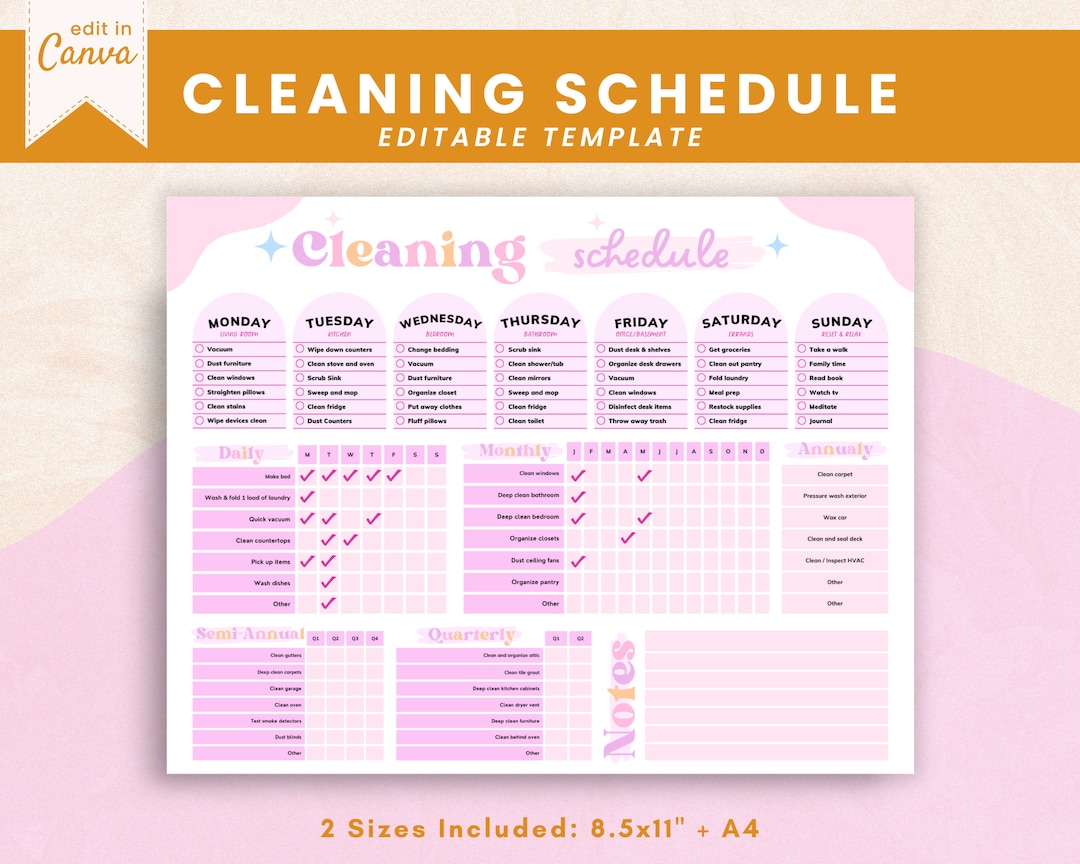
Maintaining a tidy home can often feel like a daunting task, especially with the hustle and bustle of daily life. A cleaning planner serves as an essential tool that simplifies this task, ensuring that cleanliness is not just an aspiration, but a consistent part of your routine. By outlining specific tasks and schedules, it helps create a structured approach to keeping your living space organized and inviting.
A cleaning planner is vital because it provides clarity and structure to what can sometimes be an overwhelming process. Without a plan, household chores can pile up, leading to chaos and clutter, which not only affects the aesthetics of your home but can also impact your mental well-being. A well-designed planner allows you to break down tasks into manageable segments, ensuring that no area of your home is neglected. By assigning specific days for particular chores—like vacuuming on Wednesdays and dusting on Fridays—you create a rhythm that can lead to a consistently clean environment, making it less stressful to maintain.
Stress reduction and time management
Implementing a cleaning planner can significantly reduce stress levels and enhance your time management skills. When you know exactly what needs to be done and when, there is less room for procrastination and anxiety about chores being left undone. This clarity can foster a more relaxed atmosphere, as you won’t have to scramble to clean before guests arrive or feel guilty about living in a mess.
For instance, setting aside just 30 minutes each day for specific cleaning tasks can lead to remarkable improvements in your home environment. Here are some examples of how a cleaning planner can enhance productivity during household chores:
- Focused cleaning sessions: Allocating short bursts of time for cleaning tasks, like 15 minutes for tidying up the living room, can make chores feel less overwhelming and more achievable.
- Efficient task delegation: If you live with family or roommates, a cleaning planner can help distribute tasks evenly, ensuring that everyone contributes according to their schedules.
- Tracking progress: A visual planner allows you to track completed tasks, providing a sense of accomplishment that can motivate you to keep going.
- Seasonal cleaning: By incorporating seasonal deep-cleaning tasks into your planner, you can prevent the accumulation of dirt and clutter that often goes unnoticed.
“A clean home is a happy home.”
By integrating a cleaning planner into your daily routine, you not only foster a tidy living space but also cultivate a more organized, stress-free lifestyle. Embracing this practice allows for better time management and increased productivity, transforming cleaning from a chore into a structured and manageable activity.
Key components of an effective cleaning planner
An effective cleaning planner serves as a roadmap to a tidy and organized home. It allows individuals to stay on top of their cleaning tasks, ensuring that no area is overlooked. By incorporating specific elements and strategies, a cleaning planner can facilitate efficient cleaning routines and make the process more manageable.
One of the essential aspects of a cleaning planner is its ability to categorize tasks based on different areas of the home. This not only helps in organizing the cleaning schedule but also ensures a balanced approach to maintaining cleanliness throughout the household. Below are five crucial components that should be included in any cleaning planner:
Crucial components of a cleaning planner
To create a comprehensive cleaning planner, it is important to integrate the following elements:
- Task List: A detailed list of cleaning tasks specific to each area of the home is necessary. This should encompass daily, weekly, and monthly tasks to maintain cleanliness effectively.
- Schedule: A clear timeline for when each task should be completed helps in tracking progress and ensuring consistency. This can be arranged by days or weeks, depending on individual preferences.
- Supplies Inventory: Keeping an inventory of cleaning supplies aids in understanding what items are available and what needs to be restocked. This prevents last-minute scrambles and ensures all necessary tools are on hand.
- Prioritization: Some tasks may require more attention than others. Prioritizing tasks based on urgency and importance can streamline the cleaning process.
- Progress Tracking: Including a section to monitor completed tasks provides a sense of accomplishment and motivation. This could be as simple as checking off tasks when done.
Categorizing cleaning tasks
Categorizing cleaning tasks by different areas of the home not only simplifies the planning process but also helps in efficiently addressing each space. Here’s how various areas can be grouped:
– Living Areas: This includes dusting surfaces, vacuuming carpets, and cleaning windows. These tasks can be done weekly to maintain a welcoming environment.
– Kitchen: Focus on wiping down surfaces, cleaning appliances, and organizing pantry items. Daily maintenance is crucial in this high-traffic area to prevent buildup.
– Bathrooms: Tasks like scrubbing toilets, cleaning sinks, and disinfecting surfaces should be prioritized weekly or bi-weekly to uphold hygiene standards.
– Bedrooms: This area requires regular dusting, changing linens, and decluttering. Establishing a monthly deep clean schedule can enhance comfort.
– Outdoor Spaces: Tasks can range from sweeping patios to maintaining gardens. Depending on the season, these may need to be scheduled weekly or monthly.
Setting realistic cleaning goals
Setting achievable cleaning goals is critical for maintaining an effective cleaning planner. This involves considering the time available and the extent of cleaning required. Here are some methods to ensure that cleaning goals are realistic:
– Assessing Time Availability: Evaluate how much time can realistically be dedicated to cleaning each day. This allows for creating a schedule that is manageable and less overwhelming.
– Breaking Down Tasks: Large tasks can be daunting. Breaking them into smaller, more manageable parts can make them easier to accomplish and less intimidating.
– Incorporating Flexibility: Life can be unpredictable. Allowing flexibility in the cleaning schedule accommodates unexpected events without derailing the entire plan.
– Setting SMART Goals: Specific, Measurable, Achievable, Relevant, and Time-bound goals can guide the cleaning process efficiently. For example, “Clean the entire kitchen in two hours on Saturday” is a specific goal that can be tracked and measured.
– Reviewing and Adjusting Goals: Regularly reviewing progress and adjusting goals based on what is working or not can help in fine-tuning the cleaning approach. This adaptability is essential for long-term success.
Different types of cleaning planners to suit various lifestyles
Cleaning can sometimes feel overwhelming, but a cleaning planner can simplify the process, making it manageable and tailored to individual needs. Different lifestyles call for different types of planners, whether they are digital, paper-based, or hybrid. Each type has its own set of advantages and disadvantages, and understanding these can help you choose the right one for your routine.
Digital Cleaning Planners
Digital cleaning planners have gained popularity, especially among tech-savvy individuals. These planners often come in the form of mobile apps or online tools that allow for a flexible and customizable approach to organizing cleaning tasks.
- Advantages:
- Accessibility from multiple devices, making it easy to update tasks on the go.
- Features like reminders and notifications help keep cleaning schedules on track.
- Integration with other apps (like calendars) can enhance overall time management.
- Disadvantages:
- Dependence on technology can be a drawback for those less comfortable with digital tools.
- Potential for distraction from other applications or notifications on devices.
- Requires internet access to fully utilize all features.
Digital planners can be ideal for busy individuals who are always on the go and prefer an interactive approach to managing their cleaning tasks.
Paper-based Cleaning Planners
Paper-based planners are the classic method for organizing cleaning routines. These planners come in various formats, such as notebooks, printed templates, or customizable binders, allowing for a more tactile and visual approach to scheduling.
- Advantages:
- Writing tasks down can enhance memory retention and commitment to cleaning schedules.
- No reliance on technology; can be used freely without needing an internet connection.
- Highly customizable, allowing for personal touches with stickers, colors, and layouts.
- Disadvantages:
- Less flexibility in updating tasks, as changes may require rewriting.
- Physical space is needed for storage, and planners can become bulky over time.
- Potential for disorganization if not maintained properly.
Paper-based planners are perfect for those who enjoy a hands-on approach and prefer the simplicity of paper without technology’s complexities.
Hybrid Cleaning Planners
Hybrid cleaning planners combine the best of both digital and paper formats. They may feature a digital app with printable templates or planners that allow for digital entry while maintaining a physical format for organization.
- Advantages:
- Offers flexibility and accommodates varying preferences, appealing to both digital and analog users.
- Allows users to print templates for specific tasks or schedules while keeping a digital record.
- Can enhance creativity as users can personalize both digital and physical aspects.
- Disadvantages:
- May require a bit more effort to maintain and manage both formats effectively.
- Can be confusing if not organized properly, as users might struggle to track tasks across platforms.
- Potentially higher costs if utilizing both digital subscriptions and physical materials.
Hybrid planners are great for individuals who appreciate the versatility of using both digital tools and physical planners, allowing them to tailor their cleaning schedules to better fit their lifestyles.
Choosing the right cleaning planner ultimately depends on personal preferences, lifestyle needs, and the level of flexibility required. By considering the advantages and disadvantages of each type, individuals can find the planner that best aligns with their daily routines and cleaning habits.
Strategies for creating a personalized cleaning schedule
Creating a personalized cleaning schedule allows you to maintain a tidy home while accommodating your unique lifestyle and commitments. Tailoring your cleaning routine to fit your daily activities can make cleaning feel less like an overwhelming chore and more like a manageable part of your day-to-day life. By following a systematic approach, you can design a schedule that not only keeps your space clean but also fits seamlessly into your routine.
To design an effective cleaning schedule tailored to your lifestyle, start by assessing your personal needs and the specific requirements of your home. Consider your daily commitments, how often you are home, and the amount of time you can realistically dedicate to cleaning tasks. This understanding will inform how you allocate specific tasks into your daily, weekly, and monthly schedules.
Step-by-step guide for task allocation
It is essential to categorize cleaning tasks based on frequency and urgency. Here’s a structured approach to help you distribute tasks effectively:
1. List all cleaning tasks: Begin by compiling a comprehensive list of all cleaning tasks that need to be done in your home. This includes everything from vacuuming and dusting to deep cleaning appliances.
2. Categorize tasks: Divide your list into three categories: daily, weekly, and monthly.
– Daily Tasks: These are essential tasks that maintain cleanliness, such as making the bed, washing dishes, and wiping down surfaces.
– Weekly Tasks: These involve more extensive cleaning, such as vacuuming, mopping floors, and cleaning bathrooms.
– Monthly Tasks: These are deep-cleaning activities that may include washing windows, cleaning gutters, or organizing closets.
3. Create a schedule: Assign specific tasks to each day of the week. For instance, you might decide to vacuum on Tuesdays, clean the bathrooms on Wednesdays, and do laundry on Fridays.
4. Incorporate flexibility: Life can be unpredictable, so it’s important to build flexibility into your schedule. Consider having a “catch-up day” once a week where you can tackle any missed tasks or adjust your plan as needed. Additionally, if unexpected events arise, allow yourself to shift tasks around without guilt.
“A flexible cleaning schedule not only accommodates unexpected events but also alleviates the stress of keeping a tidy home.”
This structured yet adaptable approach ensures that your cleaning schedule aligns with your lifestyle, making it easier to maintain a clean home without feeling overwhelmed.
Tips for maintaining motivation to stick with your cleaning planner
Staying motivated to use a cleaning planner can often be a challenge, especially with the hustle and bustle of everyday life. However, implementing effective strategies can make the process not only manageable but also enjoyable. By creating a structured approach to your cleaning goals, you can maintain motivation and achieve a clean and organized space consistently.
Staying Committed to Your Cleaning Planner
To keep the momentum going with your cleaning planner, it’s essential to incorporate techniques that foster commitment. One effective method is to set specific, achievable goals that you can measure. This creates a clear path to follow and allows you to track your success over time. For instance, you might aim to declutter one room per week or establish a routine of daily quick cleans. Keeping a visible schedule can also reinforce accountability.
The Role of Rewards and Incentives
Rewards can significantly enhance your motivation to stick with your cleaning planner. When you complete a task or reach a milestone, treat yourself to something enjoyable. This could be as simple as taking a break to watch your favorite show or indulging in a special snack. Implementing a reward system can transform cleaning from a chore into a more enjoyable activity. For example, after maintaining a clean home for a month, you could reward yourself with a spa day or a small shopping spree.
“Incentives turn tasks into achievements and achievements into motivation.”
Tracking Progress and Celebrating Milestones
Tracking your progress is crucial for maintaining motivation. By documenting your cleaning tasks and accomplishments, you can visualize your efforts and the improvements made. Consider using a dedicated section in your planner for this purpose. You might include before-and-after photos of spaces you’ve organized or a checklist of completed tasks.
Celebrating milestones is just as important as tracking progress. Acknowledge when you’ve completed significant tasks, such as deep cleaning a kitchen or organizing a closet. Sharing these achievements with friends or family can provide additional encouragement. You could host a small gathering in your newly cleaned space as a way to celebrate your hard work and dedication.
In summary, employing these strategies can help maintain motivation and commitment to your cleaning planner, making the cleaning process a rewarding and fulfilling part of your routine.
Common challenges faced when using a cleaning planner
Using a cleaning planner can be an effective way to maintain a tidy living space, but it often comes with its own set of challenges. Many individuals find it difficult to adhere to their cleaning schedules due to various obstacles that can derail their best intentions. Recognizing these challenges and developing strategies to overcome them can lead to a more successful and stress-free cleaning routine.
One of the primary obstacles people face is the lack of time. With busy schedules filled with work, family responsibilities, and social activities, finding adequate time to tackle cleaning tasks can be a daunting task. Additionally, many may feel overwhelmed by the number of tasks to complete, leading to procrastination.
Another common challenge is maintaining motivation. After the initial enthusiasm of setting up a cleaning planner, many individuals struggle to stay engaged with the tasks laid out before them. This can result in dropping off from the cleaning schedule altogether.
Lastly, unrealistic expectations can pose a significant hurdle. Some people set unattainable goals within their cleaning planners, which can lead to feelings of frustration and defeat when they can’t meet these standards.
Lack of time
Many individuals struggle with finding the time to complete their cleaning tasks as laid out in their planners. This is a common issue, especially for those balancing work, family, and personal commitments.
To tackle this challenge, consider the following strategies:
- Prioritize tasks: Identify essential cleaning tasks and focus on those first. Breaking down larger tasks into smaller, manageable segments can help you fit them into your schedule.
- Time blocking: Allocate specific time slots in your calendar dedicated solely to cleaning. Treat these blocks like appointments that you cannot miss.
- Utilize cleaning shortcuts: Incorporate time-saving cleaning hacks into your routine, such as using all-in-one cleaning products or setting a timer to challenge yourself to clean in short bursts.
Maintaining motivation
Staying motivated to follow a cleaning planner is essential for its success. After a while, the initial excitement may wear off, leading to a lack of adherence to the planned tasks.
To enhance motivation:
- Set achievable goals: Establish realistic cleaning goals that can be easily accomplished. Celebrate small victories to keep your spirits high.
- Incorporate rewards: Treat yourself after completing a cleaning session. This could be something simple like enjoying a favorite snack or taking a break to watch a show.
- Mix it up: Change the cleaning routines occasionally to prevent monotony. Try different cleaning methods or switch up the order of tasks to keep things fresh.
Unrealistic expectations
Many individuals often set ambitious cleaning goals that can lead to disappointment. When expectations are not met, it can result in a downward spiral of motivation and adherence to the cleaning planner.
To manage expectations:
- Be realistic: Assess your cleaning capabilities and the time you can realistically dedicate to cleaning. Adjust your planner accordingly.
- Seek feedback: Share your cleaning goals with friends or family, and ask for their input on what is achievable. This can provide a fresh perspective.
- Reflect and adjust: Regularly review your planner and adjust tasks as needed. It’s perfectly acceptable to change your approach based on what works best for you.
“Setting realistic goals and celebrating small victories is key to maintaining motivation and consistency in your cleaning habits.”
Personal anecdotes can further illustrate these challenges. For instance, a friend shared that her initial cleaning planner had her dedicating an entire Saturday to deep clean her home. After a few weeks, she found herself dreading those long cleaning sessions. However, by breaking the tasks into smaller, daily chores and rewarding herself with a relaxing evening after completing them, she was able to regain her motivation and keep her space tidy without feeling overwhelmed.
Another story involves a working mom who struggled to find time for cleaning amidst her busy schedule. By implementing time blocking and setting aside just 15 minutes each day for quick cleaning tasks, she found that not only was her home cleaner, but it also alleviated the stress of a cluttered space.
By understanding and addressing these common challenges, you can maximize the effectiveness of your cleaning planner and create a more pleasant living environment.
Incorporating family involvement in the cleaning process

Engaging family members in the cleaning process not only simplifies household tasks but also fosters teamwork and responsibility. Utilizing a cleaning planner can make this process smoother and more structured, ensuring everyone knows their roles and responsibilities. By involving the entire family, you can create a more organized and efficient cleaning routine, making it easier to maintain a tidy home.
To successfully engage family members in using the cleaning planner, it’s essential to communicate openly about the importance of cleanliness and organization. Begin by hosting a family meeting where you can introduce the planner and discuss how each person can contribute. Assigning age-appropriate tasks is crucial, as it ensures that everyone can participate meaningfully. For young children, tasks might include picking up toys, dusting low furniture, or sorting laundry. As they grow older, responsibilities can evolve to include vacuuming, washing dishes, or even managing their own rooms. Adults can take on more complex tasks, such as deep cleaning bathrooms, organizing closets, or overseeing the overall cleaning schedule.
Assigning Age-Appropriate Tasks
When assigning tasks, consider the abilities and interests of each family member. This approach not only makes cleaning feel less daunting but also empowers individuals with a sense of accomplishment. Below are some examples of age-appropriate tasks:
- Preschoolers (Ages 3-5):
- Sorting and putting away toys.
- Wiping surfaces with a damp cloth.
- School-Aged Children (Ages 6-12):
- Making their beds.
- Vacuuming or sweeping floors.
- Helping with laundry.
- Teenagers (Ages 13+):
- Cleaning their bathrooms.
- Preparing meals.
- Managing weekly cleaning schedules.
- Adults:
- Overseeing household projects.
- Deep cleaning areas on a rotating schedule.
Incorporating teamwork into the cleaning process has numerous benefits. It not only lightens the load on individual family members but also fosters a sense of unity and shared responsibility. Working together to maintain a clean home can lead to better communication and collaboration among family members. Additionally, it teaches children valuable life skills, such as organization and time management. By following a shared cleaning plan, families can celebrate their achievements together, turning cleaning from a chore into a collaborative family event.
“Teamwork divides the task and multiplies the success.”
How to adapt your cleaning planner seasonally
Adjusting your cleaning planner seasonally is crucial for maintaining a fresh and organized home throughout the year. Each season brings unique cleaning needs that align with weather changes, holidays, and the activities you engage in. By adapting your planner, you can ensure that your home stays in top condition while also allowing you to enjoy the specific pleasures each season brings.
Seasonal cleaning is not just about keeping dust at bay; it’s also an opportunity to refresh and reorganize your space as the needs of your home change. For example, during the spring, you might focus on deep cleaning after winter, while in fall, you can prepare your home for the colder months. Each season has its specific tasks that should be highlighted in your planner.
Seasonal Cleaning Task Checklist
Incorporating a seasonal cleaning checklist into your planner can streamline your efforts and ensure that no critical tasks are overlooked. Below is a comprehensive checklist for seasonal cleaning that you can adapt to fit your home’s needs:
- Spring Cleaning:
- Wash windows inside and out.
- Deep clean carpets and upholstery.
- Organize closets and donate unused items.
- Clean and inspect gutters and downspouts.
- Dust and clean light fixtures and ceiling fans.
- Summer Maintenance:
- Power wash the exterior of your home.
- Check and clean outdoor furniture.
- Inspect air conditioning units and replace filters.
- Maintain garden tools and landscaping.
- Organize garage space for summer activities.
- Fall Preparation:
- Clean out gutters and downspouts again.
- Service heating systems and replace filters.
- Store away summer items (like pool equipment).
- Inspect windows for drafts and apply weather stripping.
- Prepare fall decorations and organize storage.
- Winter Readiness:
- Declutter the entryway for winter gear.
- Check smoke detectors and carbon monoxide alarms.
- Organize pantry and stock up on essentials.
- Clean and store holiday decorations properly.
- Inspect your home for any signs of pests.
By following this checklist, you can maintain an organized and well-kept home while ensuring you’re prepared for each seasonal transition.
Seasonal cleaning not only enhances the appearance of your home but also significantly contributes to its maintenance and longevity.
The advantages of seasonal cleaning extend beyond aesthetics; it plays a vital role in home maintenance and organization. Regularly scheduled cleaning tasks reduce the accumulation of dirt and clutter, allowing for a more pleasant living environment. Additionally, addressing specific seasonal needs helps to mitigate wear and tear on your home, ultimately saving you time and money on repairs in the long run. Keeping your planner updated with seasonal tasks ensures a proactive approach to home care, making your living space a haven year-round.
Conclusive Thoughts
In conclusion, adopting a cleaning planner is not just about maintaining a clean home; it’s about creating a lifestyle that promotes relaxation and control. By customizing your planner to fit your needs, involving family members, and adapting to seasonal changes, you’ll find that keeping your home tidy can be both manageable and enjoyable. Embrace the power of planning, and watch as your home transforms into a harmonious environment.
FAQ Resource
What is a cleaning planner?
A cleaning planner is a tool that helps organize and schedule cleaning tasks to maintain a tidy home efficiently.
How often should I update my cleaning planner?
It’s best to review and update your cleaning planner regularly, ideally weekly or monthly, to reflect changing needs and schedules.
Can I share my cleaning planner with family members?
Absolutely! Sharing a cleaning planner fosters teamwork and ensures everyone is on the same page regarding household responsibilities.
What are some tips for sticking to a cleaning planner?
Set achievable goals, incorporate rewards for completing tasks, and regularly track your progress to stay motivated.
Are there mobile apps for cleaning planners?
Yes, many mobile apps can help you create and manage your cleaning planner digitally, offering reminders and customizable features.