Home organization tools can transform your living space into a haven of order and functionality. With the ever-increasing trend of compact living, finding effective solutions to maximize small spaces has become essential for maintaining a serene environment. From innovative storage options to digital organizers, the right tools can not only enhance your home’s aesthetics but also streamline your daily routines.
In this discussion, we will explore various home organization tools designed to optimize small areas, delve into the digital realm of organization, and highlight the mental health benefits that come with a well-organized space. Whether you’re looking to reduce clutter or create personalized storage solutions, there’s something here for everyone.
Home organization tools for maximizing small spaces
In today’s fast-paced world, many individuals find themselves living in compact living areas that require strategic organization to enhance functionality. Utilizing the right home organization tools can dramatically transform these limited spaces into areas of efficiency and comfort. By leveraging specific tools designed to optimize small environments, residents can enhance the usability of every square inch.
One of the core benefits of employing home organization tools is the ability to maximize vertical space and incorporate hidden storage solutions. In small areas, where every bit of space counts, vertical storage not only frees up floor space but also creates an organized and aesthetically pleasing environment. Hidden storage methods are essential for keeping clutter at bay while maintaining easy access to everyday items.
Vertical Storage Solutions
Vertical storage solutions are a game changer for maximizing small spaces. By utilizing walls and ceilings, these tools not only help in organizing but also serve as functional decor.
- Wall-mounted shelves: These shelves can hold books, plants, and decorative items, drawing the eye upward and creating an illusion of more space. Installing them over furniture can free up floor space for additional items.
- Over-the-door organizers: Perfect for closets and bathroom doors, these organizers provide pockets for shoes, toiletries, and other essentials, effectively transforming unused door space into valuable storage.
- Floating desks: A stylish solution for working from home, floating desks can be mounted on walls and folded away when not in use, ensuring the workspace doesn’t clutter your living area.
Incorporating these tools into daily routines can significantly enhance organization. For instance, placing frequently used items on lower shelves can streamline access while reserving higher shelves for less frequently used items. Adapting a ‘one in, one out’ policy ensures that clutter does not accumulate, promoting a continuous cycle of organization.
Hidden Storage Options
Hidden storage options are invaluable in small spaces, allowing for a tidier appearance while providing practical functionality.
- Storage ottomans: These multifunctional pieces serve as seating and can store blankets, magazines, or toys, effectively merging comfort with organization.
- Under-bed storage bins: Utilizing the space under the bed can free up significant room elsewhere. These bins can hold seasonal clothing or extra bedding, keeping them out of sight but easily accessible.
- Furniture with built-in storage: Items like coffee tables with drawers or couches with compartments can house various items, reducing the need for additional furniture.
By integrating hidden storage into everyday life, individuals can simplify their routine. For example, designating specific bins for seasonal clothing can make transitions between seasons seamless, while keeping items organized and out of view.
Utilizing home organization tools specifically designed for small spaces enables a more functional living environment. By applying vertical and hidden storage solutions, residents can significantly enhance their living areas, creating organized, efficient spaces that reflect their lifestyles.
The role of digital organizers in home management
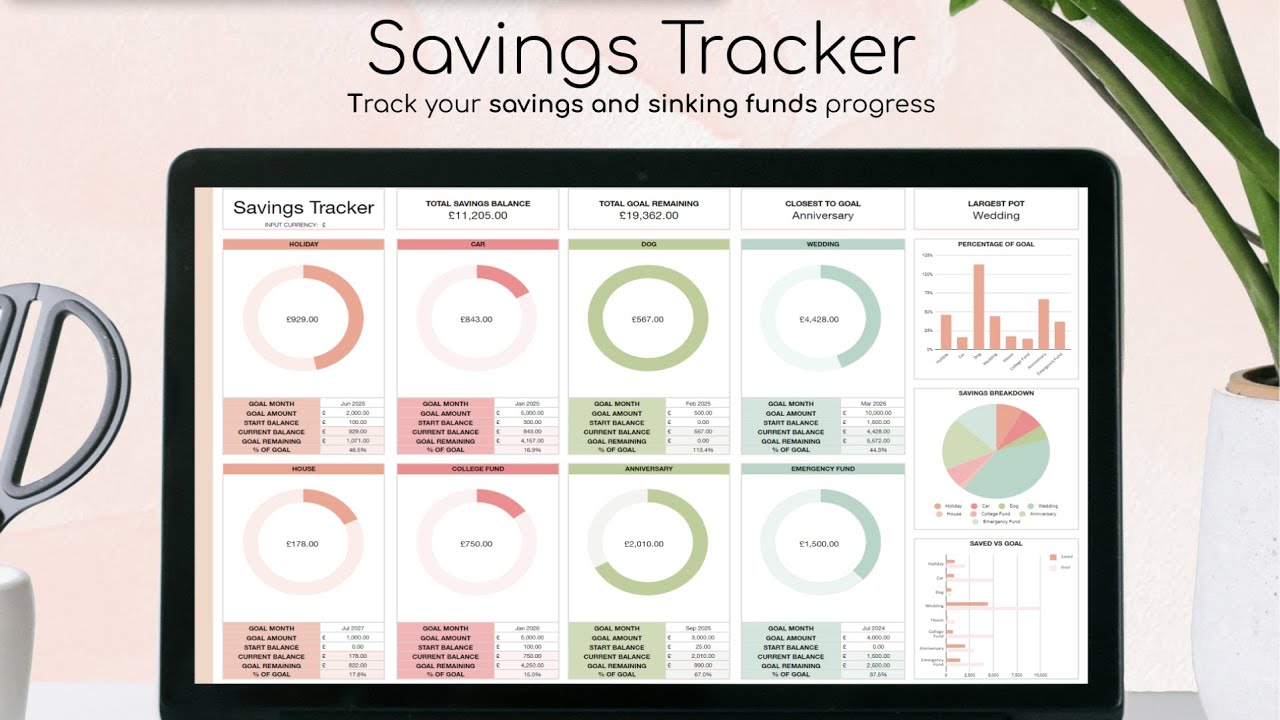
In an increasingly busy world, home organization can become a daunting task. Fortunately, digital organizers offer a modern approach to streamline various home management tasks, making our lives significantly easier. These tools allow for better scheduling, task management, and inventory control, turning chaos into order and enhancing overall productivity.
Digital tools impact home organization positively by providing real-time access to information and seamless integration with other devices. Tasks can be scheduled, tracked, and completed efficiently, allowing for better planning and execution of daily chores. This digital approach reduces the clutter often associated with traditional methods, enabling users to focus on what truly matters.
Popular apps and software for task scheduling and inventory management
A variety of digital organizers are available today, each with unique features that cater to different organizational needs. Here are some widely-used applications that have proven effective in managing tasks and inventories at home:
- Todoist: A task management app that allows users to create custom task lists, set deadlines, and collaborate with family members. Its intuitive interface makes tracking progress easy and encourages productivity.
- Evernote: This note-taking app helps users organize thoughts, lists, and documents in one place. Its powerful search function allows for quick retrieval of information, boosting efficiency in home management.
- Google Keep: A simple yet effective note-taking and reminder app that syncs across devices. It allows users to create checklists and share them with others, ensuring everyone is on the same page regarding household tasks.
- Cozi: A family organizer app that includes a shared calendar, to-do lists, and meal planning features. It’s specifically designed to help families manage their schedules collectively, reducing confusion and missed appointments.
- Sortly: An innovative inventory management app that uses visual organization methods, such as QR codes and photos, to track household items. This is particularly useful for keeping track of supplies and belongings.
Employing these digital tools can significantly enhance home organization, making tedious tasks more manageable and less overwhelming.
Effectiveness of digital organizers versus traditional paper planners
While traditional paper planners have their charm, particularly for those who enjoy handwriting and a tactile experience, digital organizers offer distinct advantages that can lead to better overall efficiency.
Digital organizers allow for real-time updates, which traditional planners cannot offer. Users can quickly edit, delete, or rearrange tasks and appointments, while paper planners require manual changes. Additionally, digital tools often have reminder features that can alert users about important deadlines, ensuring nothing gets overlooked.
“The efficiency of digital organizers lies in their ability to synchronize across devices and provide instant access to information.”
Moreover, the integration capabilities of digital tools allow them to connect with various applications and calendars, creating a centralized hub for managing all aspects of home life. Traditional planners, on the other hand, remain limited to their physical pages and do not interact with other systems.
In summary, while both digital and traditional methods have their place, digital organizers stand out for their flexibility, efficiency, and ability to streamline home management tasks, making them an invaluable resource in today’s fast-paced environment.
Innovative storage solutions for common household items
In today’s fast-paced world, effective home organization is essential for maintaining a serene environment. Innovative storage solutions can transform cluttered spaces into functional, aesthetically pleasing areas. By incorporating unique storage products and DIY projects, individuals can streamline their households and enhance their daily living experiences.
Understanding the specific storage needs of different areas in the home is crucial. The kitchen, bedroom, and office each present unique challenges that demand tailored solutions. Below are some innovative storage products designed to cater to these specific categories.
Unique storage products for various households
Selecting the right storage products can significantly impact how well a space functions. Here are some innovative storage solutions for common household areas:
- Kitchen: Over-the-door racks maximize vertical space. These racks are perfect for storing spices, kitchen utensils, or even pots and pans, keeping them within easy reach.
- Bedroom: Bed risers provide added under-bed storage. This simple addition creates extra space for seasonal clothing bins or shoes, keeping the bedroom organized.
- Office: Vertical file holders allow for efficient document storage. By organizing papers vertically, they free up desk space while still being easily accessible.
Implementing these products can not only reduce clutter but also enhance the aesthetics of each room, creating a more cohesive and inviting atmosphere.
DIY storage projects for personalization
Creating personalized storage solutions can be both rewarding and functional. DIY projects allow homeowners to tailor their organization methods to fit their specific needs while incorporating their individual styles. Here are some engaging DIY storage ideas:
- Floating Shelves: Install floating shelves in the kitchen or living room to display decorative items while providing space for books or small plants.
- Repurposed Furniture: Convert an old ladder into a unique bookshelf or blanket holder, adding a rustic charm while serving a practical purpose.
- Customized Baskets: Decorate simple wicker baskets with paint or fabric to create attractive storage solutions for magazines or toys.
These projects not only add functionality to a space but also contribute to its character.
Impact on clutter reduction and aesthetics
Utilizing innovative storage solutions and engaging in DIY projects has a profound effect on both clutter and home aesthetics. Well-organized spaces can promote a sense of calm and efficiency. Additionally, these solutions can enhance the visual appeal of a home by allowing personal style to shine through.
When spaces are clutter-free, they appear larger and more inviting. Incorporating color-coordinated storage bins or decorative elements can transform mundane storage into a design feature. The result is a harmonious blend of function and style that elevates the overall ambiance of the home.
The influence of home organization tools on mental well-being
Creating a well-organized home environment goes beyond mere aesthetics; it plays a crucial role in enhancing mental well-being. A tidy space can foster a sense of peace and control, thereby positively influencing one’s mood and overall mental health. The relationship between organization and mental clarity is backed by various studies that highlight how a clutter-free space can lead to reduced anxiety and improved focus.
Psychological benefits of an organized home environment
An organized home can significantly affect mental health by promoting feelings of safety and stability. Research indicates that individuals living in cluttered environments often experience higher levels of stress. A study published in the journal *Personality and Social Psychology Bulletin* found that people who described their homes as cluttered reported feeling more overwhelmed. Conversely, maintaining an orderly space is linked to greater productivity and less mental fatigue. This highlights the importance of organization tools like storage bins, planners, and decluttering checklists in establishing a serene living environment.
Effective techniques to maintain an organized space include:
- Routine decluttering: Setting aside time each week to assess and remove items no longer needed can prevent clutter from building up.
- Designated storage solutions: Utilizing baskets, shelves, and containers can help keep items in their respective places, reducing visual chaos.
- Daily cleaning habits: Small daily tasks such as making the bed or wiping down surfaces can create a sense of immediate accomplishment and keep spaces tidy.
- Mindful organization: Engaging with each item and deciding its value or purpose can foster a deeper connection to one’s belongings, making it easier to let go of excess.
Incorporating these techniques helps create a peaceful mindset, allowing individuals to focus better on tasks and reducing feelings of anxiety.
“A tidy space leads to a tidy mind.”
The correlation between home organization and mental well-being is undeniably profound. By utilizing effective home organization tools and techniques, individuals can cultivate a nurturing environment conducive to mental peace and clarity.
Trends in home organization tools and techniques
The home organization industry is evolving rapidly, driven by changing lifestyles and advancements in design and technology. Today’s consumers seek not only functionality but also products that enhance the aesthetics of their living spaces. This shift is reflected in the latest trends in home organization tools and techniques, making it easier than ever to maintain order at home while also adding a touch of style.
Modern design plays a pivotal role in the development of home organization products, blending aesthetics with practicality. Consumers are increasingly attracted to items that not only serve a purpose but also contribute to the overall ambiance of their homes. This trend emphasizes sleek lines, harmonious color palettes, and multi-functional designs that cater to various needs. For instance, furniture with built-in storage solutions is gaining popularity, providing a seamless way to keep areas tidy without sacrificing style.
Emerging Trends in Home Organization Tools
Several key trends define the current landscape of home organization tools. These trends showcase innovative products and approaches that help individuals streamline their spaces effectively:
- Smart Storage Solutions: The integration of technology into storage solutions has given rise to smart organization systems. Products equipped with sensors and apps allow users to track their inventory and manage their spaces more efficiently.
- Sustainable Materials: An increased focus on sustainability is leading to the creation of organization tools made from eco-friendly materials. Products made from recycled plastics or sustainably sourced wood appeal to environmentally conscious consumers.
- Modular Designs: Modular organization systems allow for customization and adaptability, catering to various needs across different spaces. Consumers can mix and match components to create personalized solutions.
- Minimalist Aesthetics: The minimalist trend continues to influence home organization, with products designed to blend into the background. These tools often feature neutral colors and simple designs, promoting a calm and uncluttered environment.
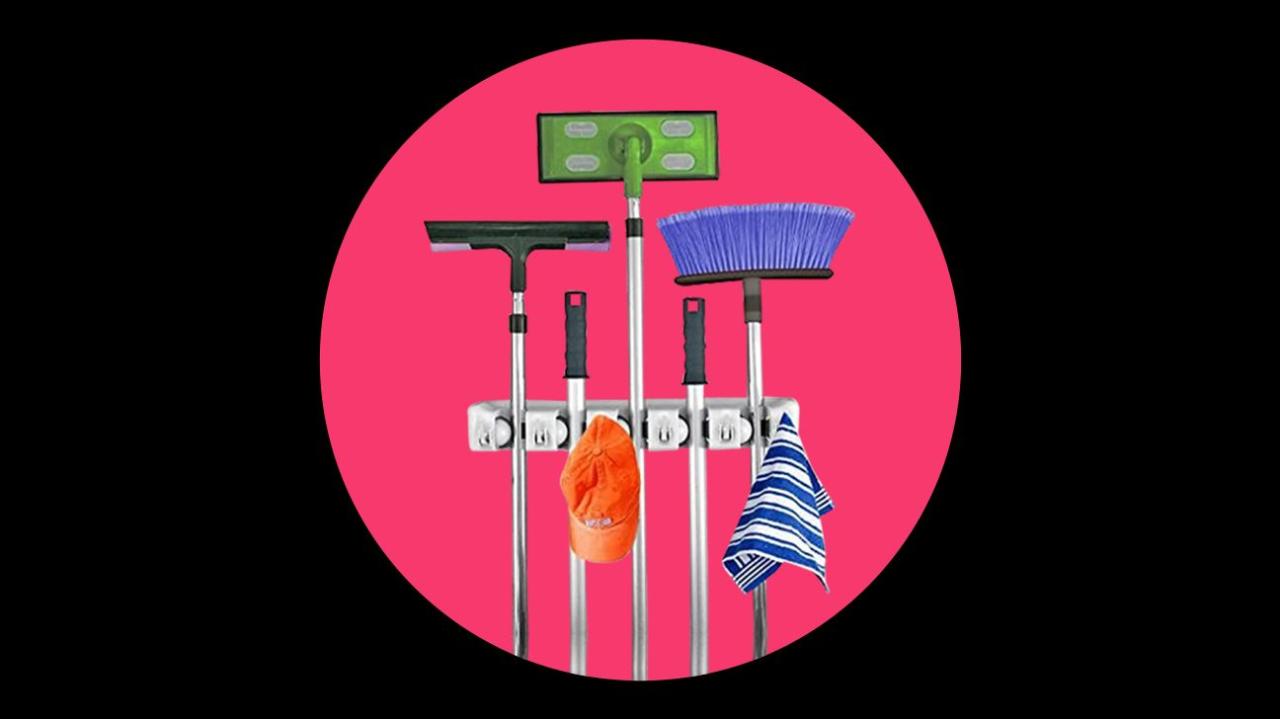
- Vertical Storage: As urban living spaces become smaller, vertical storage solutions are gaining traction. Shelves, hooks, and racks that maximize wall space are essential for effective organization in compact areas.
Influence of Modern Design on Functionality and Aesthetics
The intersection of modern design and functionality is evident in the latest home organization tools. Products are now being designed not just to hide clutter but to enhance the beauty of a room. For example, aesthetically pleasing baskets and containers can serve as decor while providing storage solutions.
“Good design is not just about how a product looks; it’s about how it improves the quality of life.”
This philosophy leads to the creation of items that invite creativity and personalization. Customizable organizers that allow for individual expression are becoming popular, enabling consumers to curate their spaces to reflect their tastes.
Predictions for Future Trends in Home Organization
Looking ahead, several predictions can be made about the future of home organization tools and techniques. The following points highlight potential directions the industry may take:
- Integration of AI: Artificial intelligence will likely play a significant role in home organization, offering personalized recommendations for storage based on user habits and preferences.
- Growth of Subscription Services: Subscription-based models for organization tools will become more prevalent, allowing consumers to receive periodic updates on the latest products and trends.
- Continued Emphasis on Multi-functionality: As space remains a premium, tools that serve multiple purposes will see increased demand. Products that combine storage with furniture will likely dominate the market.
- Health and Well-being Focus: Tools that promote mental wellness and reduce stress through organization will become a key focus, with products designed to create serene, clutter-free environments.
- Augmented Reality (AR) in Shopping: The use of AR technology will allow consumers to visualize how organization products will look in their living spaces before making a purchase, enhancing the shopping experience.
These trends reflect the dynamic nature of the home organization industry, highlighting the importance of combining functionality with aesthetic appeal while adapting to modern consumer needs.
The importance of choosing eco-friendly organization tools
In today’s world, making environmentally conscious choices extends far beyond our grocery lists or energy bills; it now encompasses every aspect of our lives, including the tools we use for home organization. Selecting eco-friendly organization tools can significantly contribute to sustainability, reduce waste, and promote a healthier living environment. These products not only help us declutter our spaces but also ensure we are doing our part in protecting the planet.
Eco-friendly organization tools are made from sustainable materials and are manufactured in processes that reduce environmental impact. The advantages of choosing these products are far-reaching, including contributing to a reduction in plastic waste, supporting ethical manufacturing practices, and often offering healthier alternatives to conventional products that may contain harmful chemicals. By opting for eco-friendly options, consumers can play a crucial role in fostering a more sustainable future.
Examples of brands prioritizing eco-friendly materials and practices
Several brands have emerged as leaders in providing eco-friendly organization tools. These brands focus not only on the functionality of their products but also on their environmental impact.
- Grove Collaborative: This brand offers a range of household and organization products made from sustainably sourced materials and promotes a plastic-free ethos.
- Simplehuman: Known for their innovative design, Simplehuman’s products often use recycled materials and are designed to last longer, reducing the need for replacements.
- Green Living: This company specializes in eco-friendly storage solutions made from recycled and biodegradable materials, perfect for conscious consumers.
- EarthHero: An online marketplace that showcases various eco-friendly brands, EarthHero provides sustainable organization tools that cater to diverse consumer needs.
The commitment to sustainable practices by these brands not only provides consumers with reliable products but also encourages a shift towards environmentally responsible consumer behavior.
Long-term benefits of using eco-friendly products for home organization
Integrating eco-friendly organization tools into your home can yield significant long-term benefits for both your living space and the environment. These products reduce waste, promote a healthier home atmosphere, and can lead to cost savings over time.
- Durability and Longevity: Eco-friendly products are often made with high-quality materials that stand the test of time, reducing the frequency of replacements.
- Healthier Home Environment: Many traditional organization tools are treated with chemicals that can emit harmful VOCs (volatile organic compounds). Eco-friendly options minimize exposure to such toxins.
- Reduction in Landfill Waste: By choosing products with minimal packaging or those made from recycled materials, consumers can significantly decrease their overall environmental footprint.
- Cost Efficiency: Investing in durable, high-quality organization tools can save money in the long run, as they typically do not need to be replaced as often as cheaper, non-eco-friendly alternatives.
The choice of eco-friendly organization tools represents a step towards a more sustainable future, enhancing both our personal spaces and the planet’s health.
Tips for customizing organization tools to fit personal style
Personalizing your organization tools can transform them from mundane to meaningful, making tidying up not just easier, but also more enjoyable. When your tools reflect who you are, they become functional pieces of your personal aesthetic, encouraging you to maintain a tidy space. Here, we’ll explore various methods of customization and the impact it has on motivation.
Customizing organization tools allows you to meld function with flair. By creatively modifying existing items, you can showcase your individuality while enhancing utility. Whether it’s adding color or personal artwork, the right changes can elevate your organizational experience. Here are some popular methods and materials to consider when personalizing your tools:
Methods of Customization
To make your organization tools truly yours, consider these creative approaches to personalization.
- Paint and Stencils: Use acrylic paint or spray paint to add your favorite colors to boxes or trays. Stenciling patterns or quotes can give a unique touch that resonates with your style.
- Washi Tape: A versatile tool for decoration, washi tape comes in countless designs. You can easily line the edges of containers or label sections for a pop of color that also organizes.
- Fabric or Wallpaper: Cover boards or boxes with fabric or wallpaper that matches your decor. This can add texture and visual interest to otherwise plain tools.
- Labeling: Use personalized labels in different fonts and colors to categorize items. This not only helps in organization but also adds a personal touch.
- Photo Inserts: Incorporate personal photos or artwork into your organization tools. This makes the space feel more like home and can serve as a visual reminder of your goals.
Materials and Techniques for Personalization
When undertaking the personalization of your organization tools, selecting the right materials is crucial. Here’s a list of materials and techniques that can help you achieve a unique look:
- Paints: Acrylic paints are great for wood and metal surfaces. Chalk paint can create a vintage look, while spray paint offers a smooth finish.
- Adhesives: Mod Podge is perfect for decoupage projects, allowing you to adhere fabric or paper easily. Hot glue is also useful for quick fixes or embellishments.
- Markers and Pens: Permanent markers can be used for writing on labels or creating designs directly on the surface of your tools.
- Decorative Papers: Scrapbook paper or wrapping paper can be used for lining drawers or covering boxes for an artistic feel.
- Functional Accessories: Incorporate hooks, clips, or magnetic strips to enhance functionality while keeping the design cohesive.
Enhancing Motivation through Personalization
Personalizing your organization tools can significantly boost your motivation to keep spaces tidy. When tools reflect your personal style, they can become more inviting to use. A well-organized environment that feels uniquely yours can inspire a sense of pride and ownership.
“An organized space is not just about cleanliness; it’s about creating a space that resonates with your personality, sparking joy and productivity.”
This connection can lead to consistent upkeep, as you’re more likely to maintain a space that feels familiar and appealing. By incorporating your personal touches, you’ll find that tidying up becomes less of a chore and more of an enjoyable routine.
How to create an organization system that works for the entire family
Creating an effective organization system for the family is essential for maintaining harmony and efficiency in daily life. The goal is to develop a plan that accommodates everyone’s needs and preferences, ensuring that each family member feels included and responsible for the organization of shared spaces. This article Artikels practical steps to establish such a system, encourages family involvement, and provides tips for long-term maintenance.
Steps for Developing a Family-Oriented Organization Plan
Establishing a family-oriented organization plan begins with assessing the current situation and identifying areas for improvement. Gather the family members to discuss their thoughts and experiences regarding the organization in your home. It’s crucial to ensure that everyone feels heard and valued throughout this process. The following steps can help guide the development of an effective organization system that works for all:
- Identify common areas: Walk through your home together and pinpoint areas that require organization. This could include the living room, kitchen, or shared storage spaces.
- Set family goals: Discuss what each member hopes to achieve through organization, whether it’s reducing clutter, improving accessibility, or designating personal spaces.
- Choose organization tools: Research and select tools that cater to everyone’s needs, such as bins, shelves, or labels, ensuring they are functional and aesthetically pleasing.
- Create a layout: Collaboratively design a layout for where items will be stored, making sure to consider the height and reach of all family members, especially children.
- Assign responsibilities: Allocate specific tasks to each family member, such as maintaining certain areas or regularly decluttering personal spaces.
Involving Family Members in Selection and Implementation
Engaging family members in the selection and implementation of organization tools fosters a sense of ownership and accountability. Here are effective strategies to promote involvement:
“When everyone participates, the organization system becomes a shared responsibility, boosting commitment.”
- Hold a family meeting: Schedule a casual gathering to brainstorm ideas and preferences for organization tools, ensuring each voice is heard.
- Explore options together: Visit stores or browse online as a family to evaluate different organization tools and discuss their pros and cons.
- Encourage creativity: Allow children and adults to personalize their spaces with colors, labels, or decorative elements that reflect their personalities.
- Implement a trial period: Once tools are chosen, try out the organization system for a specific time, encouraging feedback from family members for adjustments.
Maintaining the Organization System Over Time
To keep the organization system effective in the long run, regular maintenance and adjustments are necessary. Here are some practical tips to ensure ongoing participation and effectiveness:
“Consistency is key to a successful family organization system.”
- Establish routine check-ins: Set aside time weekly or monthly for family members to discuss what is working well and what needs improvement.
- Adjust as necessary: Be open to changing the organization system to accommodate new needs or preferences, ensuring it remains relevant to the family’s evolving lifestyle.
- Celebrate successes: Acknowledge and celebrate when the family successfully maintains organization, reinforcing positive behaviors.
- Make it fun: Incorporate games or challenges to keep the process engaging, such as timed decluttering sessions or decorating contests.
Concluding Remarks
In summary, utilizing home organization tools effectively can create a more serene and functional living environment that benefits everyone in the household. By integrating both physical and digital solutions, you can enjoy a clutter-free space that promotes not only productivity but also mental well-being. Embrace these tools and trends to elevate your home organization game and cultivate a lifestyle that reflects clarity and peace.
Frequently Asked Questions
What are some essential home organization tools?
Essential tools include storage bins, drawer organizers, shelving units, and digital apps for task management and inventory.
How can digital organizers improve my home management?
Digital organizers streamline tasks, help track inventories, and simplify scheduling, making it easier to maintain order.
Are there eco-friendly options for home organization tools?
Yes, many brands now offer sustainable storage solutions made from recycled or biodegradable materials.
How can I get my family involved in home organization?
Involve family members by discussing their needs, letting them choose tools, and assigning specific organizational tasks.
What are some DIY organization projects I can try?
Consider creating custom shelving, repurposing furniture for storage, or building dividers for drawers to enhance organization.