Cleaning scheduler is more than just a tool; it’s a vital component in cultivating a clean and organized space, whether at home or in a commercial setting. By implementing an effective cleaning schedule, individuals can not only enhance their living environment but also boost productivity and overall morale among household members or employees.
This approach brings clarity and structure to the often overwhelming task of cleaning, allowing families and businesses to allocate time efficiently and ensure that no area is neglected. By systematically integrating cleaning tasks into daily routines, everyone can enjoy the benefits of a tidy and inviting atmosphere.
Understanding the Concept of a Cleaning Scheduler
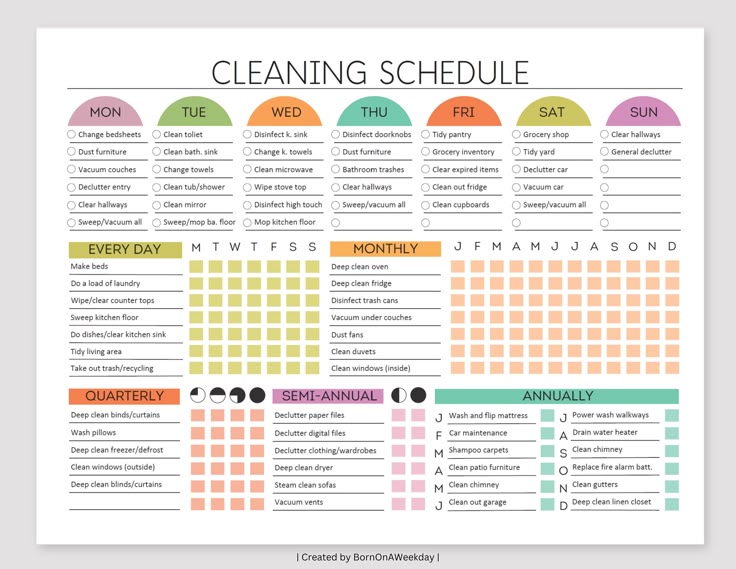
A cleaning scheduler is a vital tool in both residential and commercial environments, designed to streamline the cleaning process and ensure that spaces are maintained in a tidy and organized manner. By establishing a routine for cleaning tasks, it enhances the overall cleanliness and hygiene, which are essential for comfort and health.
Cleaning schedules play a significant role in creating a systematic approach to cleaning. They help in assigning tasks, setting timelines, and ensuring that all areas receive the necessary attention. This structured approach is particularly important in busy environments where cleanliness can often be overlooked.
Types of Cleaning Schedules
There are multiple types of cleaning schedules that can be tailored to fit the specific needs of different environments, each contributing to effective maintenance strategies. Understanding these types helps in selecting the right approach for any setting.
- Daily Cleaning Schedules: These schedules are essential for high-traffic areas, ensuring basic cleaning tasks like dusting, vacuuming, and sanitizing are performed regularly to maintain hygiene.
- Weekly Cleaning Schedules: More comprehensive cleaning tasks, such as mopping floors, cleaning restrooms, and changing bed linens, are typically addressed on a weekly basis to keep spaces fresh and inviting.
- Monthly Cleaning Schedules: This schedule includes deep-cleaning activities such as window washing, carpet cleaning, and thorough organization of storage areas, which help to maintain a high standard of cleanliness.
- Seasonal Cleaning Schedules: These are usually more intensive, focusing on tasks like gutter cleaning, exterior power washing, and HVAC maintenance. This helps prepare spaces for changing seasons, ensuring they are in optimal condition.
A well-structured cleaning schedule can have a profound impact on overall productivity and morale. By minimizing clutter and maintaining cleanliness, individuals can focus better on their tasks, leading to higher efficiency and satisfaction in both personal and professional settings.
“Cleanliness is not just about looking good; it significantly influences mood, productivity, and health.”
When cleaning tasks are planned and executed regularly, it fosters a sense of order and control, which is essential for a positive atmosphere whether at home or in a workplace. The relationship between cleanliness and productivity is well-documented, with numerous studies indicating that organized spaces lead to improved focus and creativity, making a cleaning scheduler an indispensable tool in any environment.
Benefits of Using a Cleaning Scheduler for Home Management
Maintaining a clean home can sometimes feel overwhelming, especially for busy families juggling various responsibilities. A cleaning scheduler is a practical tool that streamlines household chores, ensuring that tasks are completed in a timely manner. By establishing a structured routine, families can enhance their home management and promote a more organized living environment.
The implementation of a cleaning schedule not only provides clarity on responsibilities but also enables families to distribute chores more equitably. By planning ahead, families can avoid the stress of last-minute cleaning and ensure that all areas of the home are taken care of systematically. Common chores that can be effectively scheduled include dusting, vacuuming, laundry, dishwashing, bathroom cleaning, and kitchen deep cleaning.
Examples of Common Chores for Scheduling
To illustrate the effectiveness of a cleaning scheduler, consider the following common chores that can be systematically organized:
- Daily Tasks: Make beds, wash dishes, and wipe kitchen counters.
- Weekly Tasks: Vacuum living areas, mop floors, and change bed linens.
- Monthly Tasks: Deep clean bathrooms, organize closets, and clean appliances.
- Seasonal Tasks: Spring cleaning, window washing, and yard maintenance.
By categorizing chores in this way, families can create a balanced schedule that addresses both immediate needs and long-term upkeep. This structured approach fosters responsibility among family members, making it easier to maintain a clean and tidy home.
Long-term Benefits of a Dedicated Cleaning Schedule
Having a dedicated cleaning schedule offers numerous long-term advantages that positively impact the home environment. One significant benefit is the reduction of clutter and mess, which can lead to enhanced mental well-being. A clean space promotes relaxation and reduces stress, contributing to a healthier atmosphere for all family members.
Furthermore, regular cleaning and maintenance can prolong the lifespan of household items, reducing replacement costs over time. For instance, consistent vacuuming can prevent dirt buildup that damages carpets, while routine kitchen cleaning can help maintain appliance efficiency. A cleaning schedule also encourages family members to participate in household upkeep, promoting teamwork and shared responsibility, which can strengthen family bonds.
“Consistency in cleaning not only ensures a tidy home but also cultivates a sense of order and peace of mind.”
Incorporating a cleaning scheduler into home management practices allows families to take control of their environment, ensuring that it remains a sanctuary of comfort and cleanliness.
Creating an Effective Cleaning Schedule
Establishing a cleaning schedule that fits your lifestyle can transform your living space into a more organized and welcoming environment. An effective cleaning schedule not only keeps your home tidy but also reduces stress by ensuring tasks are manageable and spread out over time. This guide will provide a step-by-step approach to developing a personalized cleaning scheduler along with key factors to consider in your planning process.
Step-by-Step Guide for Developing a Cleaning Schedule
Creating a personalized cleaning schedule involves several steps that allow you to tailor the plan to your individual needs. Start by assessing the spaces in your home and the specific tasks that need to be accomplished. Follow these steps to create an effective schedule:
- Assess Your Space: Take a tour of your home and identify each area that requires cleaning. This includes rooms, hallways, and any specialized areas like garages or attics.
- List Cleaning Tasks: Write down all the cleaning tasks for each space. For instance, living room tasks may include dusting, vacuuming, and window cleaning.
- Determine Frequency: Decide how often each task needs to be completed. Daily, weekly, bi-weekly, and monthly schedules can be tailored to your lifestyle.
- Allocate Time: Estimate how much time each task will take. This will help you manage your time effectively and ensure each cleaning session is productive.
- Choose a Method: Select a digital app or a physical planner to organize your schedule. Digital tools can send reminders, while physical planners can serve as a visual guide.
Essential Factors to Consider When Scheduling Cleaning Tasks
When creating a cleaning schedule, consider essential factors that will affect your cleaning routine. These factors help ensure that your schedule is realistic and achievable.
- Personal Lifestyle: Factor in your daily routine, work commitments, and family responsibilities. This ensures that your cleaning tasks don’t conflict with important obligations.
- Space Usage: Understand how frequently each area of your home is used. High-traffic areas may require more frequent cleaning than less-used spaces.
- Allergies and Health Considerations: If anyone in your household has allergies, consider incorporating deep cleaning tasks for dust and allergens more regularly.
- Time of Year: Seasonal changes may affect your cleaning priorities. For example, spring cleaning may involve more intensive tasks than regular weekly cleaning.
Methods for Prioritizing Cleaning Tasks
Prioritizing tasks within your cleaning schedule can greatly enhance its effectiveness. Use the following methods to ensure that you focus on what matters most.
Establish a priority system based on urgency, frequency, and impact.
- Urgency: Identify tasks that need immediate attention, such as spills or clutter that can disrupt your daily activities.
- Frequency: Schedule routine tasks that need to be completed regularly, such as vacuuming or bathroom cleaning, to maintain cleanliness.
- Impact: Focus on tasks that will have the most significant effect on your home’s overall cleanliness, such as kitchen deep cleaning or decluttering common areas.
Using these strategies will help you create a balanced and effective cleaning schedule tailored to your lifestyle, making home maintenance less daunting and more manageable.
Digital Tools and Apps for Cleaning Scheduling
In today’s fast-paced world, managing a cleaning schedule can be challenging. Fortunately, various digital tools and apps have emerged to simplify this process, making it easier to stay organized and efficient. These tools not only help in planning cleaning tasks but also ensure that you can track progress and set reminders, keeping your space tidy without the stress.
Many digital tools and apps specifically cater to cleaning management, each offering unique features that can enhance your cleaning routine. These applications enable users to customize schedules, set notifications, and share responsibilities among family members or roommates. Let’s explore some popular ones and their functionalities.
Popular Cleaning Management Apps
Several applications are widely recognized for their effectiveness in cleaning scheduling. Understanding their features can help users choose the best fit for their needs:
- OurHome: This app offers a family-oriented approach, allowing you to assign tasks to different members, track completion, and earn points for rewards. It’s particularly useful for families wanting to encourage children to participate in chores.
- Clean My House: With its user-friendly interface, this app provides customizable cleaning checklists, reminders, and scheduling options. Users can save time with pre-defined task lists for various rooms, ensuring nothing gets overlooked.
- Trello: While not exclusively a cleaning app, Trello’s board and list system allows for flexible task management. Users can create boards for different cleaning projects and share with others, making collaboration easy.
- Google Keep: This note-taking app can be used to create simple lists and reminders for cleaning tasks. Its integration with Google Calendar allows for seamless scheduling of cleaning sessions.
The above tools show how technology can enhance the cleaning process by providing flexibility in task management and accountability among users.
Drawbacks of Using Technology for Scheduling Cleaning Tasks
While digital tools offer numerous benefits, there are potential drawbacks to relying on technology for cleaning schedules. Some users may experience issues with app overload, lack of engagement, or difficulties with technology itself. Here are some considerations and solutions:
- Overwhelm from Multiple Apps: Many users may find themselves using too many apps for different tasks, leading to confusion.
Using a single app that integrates multiple functions can help streamline the process.
- Technology Dependency: Relying solely on apps can lead to challenges if there are technical issues or outages.
Maintaining a backup paper schedule can provide security against such disruptions.
- Engagement Levels: Users might ignore reminders or notifications from apps, reducing their effectiveness.
Setting personalized notifications or using gamification elements can encourage continued engagement.
By recognizing these drawbacks and implementing practical solutions, users can effectively leverage digital tools to enhance their cleaning schedules, ensuring their spaces remain organized and clean with minimal hassle.
Incorporating Flexibility into Cleaning Schedules

Flexibility is a key element in maintaining an effective cleaning schedule. Life is full of surprises—unexpected guests, sudden changes in plans, or even last-minute work commitments can disrupt even the most carefully laid cleaning plans. By embedding flexibility into your cleaning routines, you ensure that your household remains tidy and organized, regardless of the external pressures that may arise.
Recognizing the importance of flexibility allows you to adapt and pivot without losing your cleaning momentum. When a schedule is too rigid, it can lead to stress and frustration when changes occur. Therefore, it is essential to develop strategies that allow for adjustments while maintaining the integrity of the cleaning routine.
Strategies for Adjusting Cleaning Tasks and Timelines
Incorporating flexibility means having strategies in place to adjust cleaning tasks and timelines effectively. Here are some strategies that can help:
- Prioritize Tasks: Identify which cleaning tasks are essential and which can be postponed. For example, daily tasks like kitchen cleaning might take precedence over deep cleaning the garage.
- Time Buffers: Allow for buffers in your schedule where cleaning tasks can be shifted if something else comes up. For instance, if a weekly cleaning is planned for Saturday but plans change, the cleaning can be moved to Sunday without any hassle.
- Task Rotation: Rotate tasks throughout the week. If a specific day becomes unavailable, you can easily shift that task to another day without compromising your overall schedule.
- Use Checklists: Maintain a checklist of tasks that need to be done, which you can refer to when rescheduling. This keeps you organized and helps track completed tasks.
- Set Realistic Goals: Understand your limits and set achievable goals for cleaning. This helps to reduce the pressure and allows for adjustments as needed.
Communicating Changes in a Cleaning Schedule
Effective communication is vital when changes to the cleaning schedule are necessary. Ensuring everyone in the household is on the same page helps maintain order and responsibility. Here are some methods to communicate changes:
- Group Chats: Utilize messaging apps to create a group chat for family members or housemates where any changes to the cleaning schedule can be promptly shared.
- Shared Calendars: Use digital calendars that everyone can access and update. This allows for real-time changes to the cleaning schedule that all members can see.
- Weekly Meetings: Set aside time each week to discuss the upcoming schedule, reviewing any potential conflicts so that adjustments can be made collaboratively.
- Visual Reminders: Create a physical or digital board displaying the cleaning schedule, allowing household members to visually see changes as they occur.
Flexibility in the cleaning schedule ultimately promotes a more harmonious living environment. By implementing these strategies, you ensure that your cleaning routine adapts to the ebb and flow of daily life, keeping your home clean and everyone happy.
Motivating Household Members to Stick to the Cleaning Schedule
Creating a cleaning schedule is just the first step in maintaining a clean and organized home. The real challenge lies in motivating all household members to actively participate in following the established cleaning routine. Engaging everyone requires a combination of positive reinforcement, effective communication, and a sense of teamwork. This section explores several techniques that can encourage participation and enhance commitment to the cleaning schedule.
Encouraging Participation from Household Members
To foster a sense of responsibility and collaboration among household members, it’s essential to implement strategies that make cleaning feel less like a chore and more like a shared activity. By incorporating the following techniques, you can create a more inviting atmosphere for cleaning tasks:
- Involve Everyone in the Planning: Encourage each person to have a say in the cleaning schedule. This can lead to a greater sense of ownership and accountability.
- Assign Roles Based on Preferences: By assigning cleaning tasks that align with individual preferences or strengths, members are more likely to engage willingly. For instance, if someone enjoys cooking, they might be more inclined to handle kitchen cleanliness.
- Celebrate Small Wins: Acknowledge and celebrate the completion of tasks, no matter how small. This can boost morale and motivate further participation.
Implementing Rewards Systems to Increase Engagement
Establishing a rewards system can significantly enhance motivation and engagement with cleaning tasks. Rewards can make accomplishing chores feel more like a game rather than a burden. Here are some effective reward strategies:
- Point System: Create a point system where members earn points for completing tasks on time. Accumulated points can be redeemed for privileges, such as screen time or a family outing.
- Challenge Competitions: Organize friendly competitions among household members. For example, see who can tidy up their space the fastest, with the winner receiving a small treat or recognition.
- Monthly Bonuses: Offer monthly rewards for consistently following the cleaning schedule, such as a favorite meal or a movie night. This can help instill a sense of collective achievement.
The Role of Communication and Teamwork in Cleaning
Effective communication and teamwork are vital for sustaining a cleaning schedule that everyone adheres to. When household members communicate openly about their cleaning experiences, it fosters a supportive environment. Here are key aspects to consider:
- Regular Check-Ins: Schedule weekly family meetings to discuss the cleaning schedule and any challenges faced. This encourages feedback and allows for adjustments to be made as needed.
- Collaborative Cleaning Sessions: Set aside time for everyone to clean together. This not only divides the workload but also promotes bonding and makes cleaning more enjoyable.
- Shared Cleaning Goals: Establish shared objectives that require collective effort, such as preparing the house for guests. When everyone works towards a common goal, it reinforces the importance of teamwork.
“Teamwork divides the task and multiplies the success.”
Incorporating these techniques can transform cleaning from a mundane task into an engaging and collaborative effort, ensuring that all household members are motivated to stick to the cleaning schedule.
Evaluating and Adapting the Cleaning Schedule Over Time
Regular evaluation and adaptation of a cleaning schedule are essential for maintaining an efficient and effective home environment. As household dynamics and preferences evolve, it is crucial to assess how well the current schedule meets the needs of all family members. This ongoing process ensures that the cleaning routine remains practical and aligned with the lifestyle changes that may occur over time.
To effectively review the cleaning schedule, set specific intervals for evaluation, such as monthly or quarterly. This approach allows for a structured review process, where you can analyze the completion of tasks, the distribution of responsibilities, and overall satisfaction with the cleaning routine. Collecting feedback from household members is an integral part of this evaluation process, as it provides valuable insights into what is working and what needs improvement.
Methods for Gathering Feedback
Engaging household members in discussions about the cleaning schedule fosters a sense of ownership and responsibility. Here are some effective methods for collecting feedback:
- Regular Check-Ins: Schedule informal meetings or discussions every month to encourage open communication about the cleaning schedule. This creates a comfortable environment for members to express their thoughts and suggestions.
- Feedback Forms: Create simple feedback forms that can be filled out anonymously. This can help gather honest opinions on the current cleaning tasks and any adjustments that might be needed.
- Task Completion Reviews: At the end of each week, review which tasks were completed and which were not. Ask family members to share their experiences with the tasks they handled, noting any challenges they faced.
- Digital Platforms: Utilize group chats or shared calendars to facilitate ongoing feedback. Members can leave comments or suggestions in real-time, making it easier to stay on top of everyone’s preferences.
Listening to the feedback obtained through these methods helps in understanding individual preferences and uncovering any issues with the current cleaning tasks.
Adapting the Cleaning Schedule
As needs and preferences change within a household, so should the cleaning schedule. Adapting the schedule involves assessing the feedback collected and making necessary modifications to improve its effectiveness. Consider these strategies for adapting the cleaning schedule:
- Reassess Responsibilities: If certain tasks are consistently neglected, it might be worth redistributing responsibilities based on individual strengths and availability. For instance, if one member enjoys cooking, they might be more willing to take on kitchen-related cleaning tasks.
- Adjust Frequency: Some tasks may need to be done less frequently, while others might require more attention. For example, if dusting is done weekly but not necessary, consider moving it to a bi-weekly schedule.
- Incorporate Seasonal Changes: Certain cleaning tasks may be more relevant during specific seasons, such as window washing in spring or deep cleaning carpets in the fall. Adjust the schedule to reflect these seasonal needs.
- Include New Members or Changes: If family members move in or out, or if there are significant lifestyle changes (such as starting a new job), the cleaning schedule should be re-evaluated to fit the new dynamics.
By implementing these adaptations, the cleaning schedule can remain relevant and effective, ensuring that each member of the household contributes to a clean and organized living space.
Case Studies of Effective Cleaning Schedulers
Establishing a cleaning schedule can seem daunting, but many families and businesses have successfully transformed their environments by implementing structured routines. This section explores real-life examples of how effective cleaning schedules have not only improved cleanliness but also enhanced overall productivity and well-being.
One notable example is a busy family of five who initially struggled with maintaining a clean home. Their daily routine was chaotic, often leading to disagreements about chores and a generally messy living space. To tackle this issue, they decided to create a family cleaning schedule that assigned specific tasks to each member based on their age and capabilities. This not only distributed the workload but also instilled a sense of responsibility among the children.
Family Scheduling Example
The family’s journey toward a cleaner home was filled with challenges, but they were able to overcome them by adhering to their newly established schedule. Here are some key points about their experience:
– Initial Chaos: The family’s home was often cluttered and disorganized, leading to stress and frustration.
– Implementation of Schedule: They designed a weekly cleaning chart that included tasks like vacuuming, dishwashing, and laundry, assigning specific days and times for each chore.
– Overcoming Resistance: Initially, there was resistance from the children, but they made it engaging by incorporating a reward system for completed tasks.
– Regular Check-Ins: Weekly family meetings were held to discuss any issues or adjustments needed in the schedule.
The measurable improvements after a few months were significant. The family reported less stress, reduced cleaning time, and a more organized home environment, making it easier to manage daily life.
Another compelling case is a small office that faced challenges with cleanliness and organization, affecting employee morale and productivity. The office manager recognized the need for a structured cleaning routine.
Business Scheduling Example
The implementation of a cleaning schedule in the office resulted in notable changes. Here’s how they approached it:
– Before the Schedule: The office was cluttered, with common areas often neglected, leading to complaints from staff about hygiene and organization.
– Creation of a Cleaning Plan: A bi-weekly cleaning schedule was introduced, detailing tasks for common areas, individual desks, and restrooms.
– Employee Involvement: Employees were encouraged to take ownership of their workspace and participate in maintaining cleanliness.
– Feedback Mechanism: A suggestion box was placed to gather employee feedback on the cleaning process, leading to continuous improvement.
After the schedule was put into place, the office saw a marked improvement in cleanliness. Employee satisfaction surveys reflected a 30% increase in morale, and productivity levels rose as the work environment became more enjoyable and less distracting.
“A clean workspace leads to clear thinking.”
These case studies illustrate that effective cleaning schedules can significantly enhance the quality of life both at home and in the workplace. By tackling initial resistance and fostering a collaborative environment, families and businesses alike can reap the benefits of a structured cleaning routine.
Conclusion
In summary, a well-crafted cleaning scheduler serves as a roadmap to cleanliness and order, making it easier to manage chores and responsibilities. By understanding its significance, leveraging digital tools, and fostering teamwork, households and businesses alike can experience the positive ripple effects of a clean environment, leading to greater satisfaction and harmony.
FAQ Overview
What is the main purpose of a cleaning scheduler?
The main purpose of a cleaning scheduler is to organize and streamline cleaning tasks, ensuring that all areas are maintained regularly and efficiently.
Can a cleaning scheduler be customized?
Yes, cleaning schedulers can be personalized to fit individual lifestyles, preferences, and specific cleaning needs.
How often should I review my cleaning schedule?
It is advisable to review your cleaning schedule regularly, at least once a month, to assess its effectiveness and make necessary adjustments.
Are there any downsides to using digital tools for cleaning scheduling?
Some potential downsides include reliance on technology and the possibility of technical issues; however, these can often be mitigated with careful planning and backup systems.
How can I encourage my family to stick to the cleaning schedule?
Encouraging family participation can be achieved through rewards, setting challenges, and fostering open communication about the importance of teamwork in maintaining a clean home.